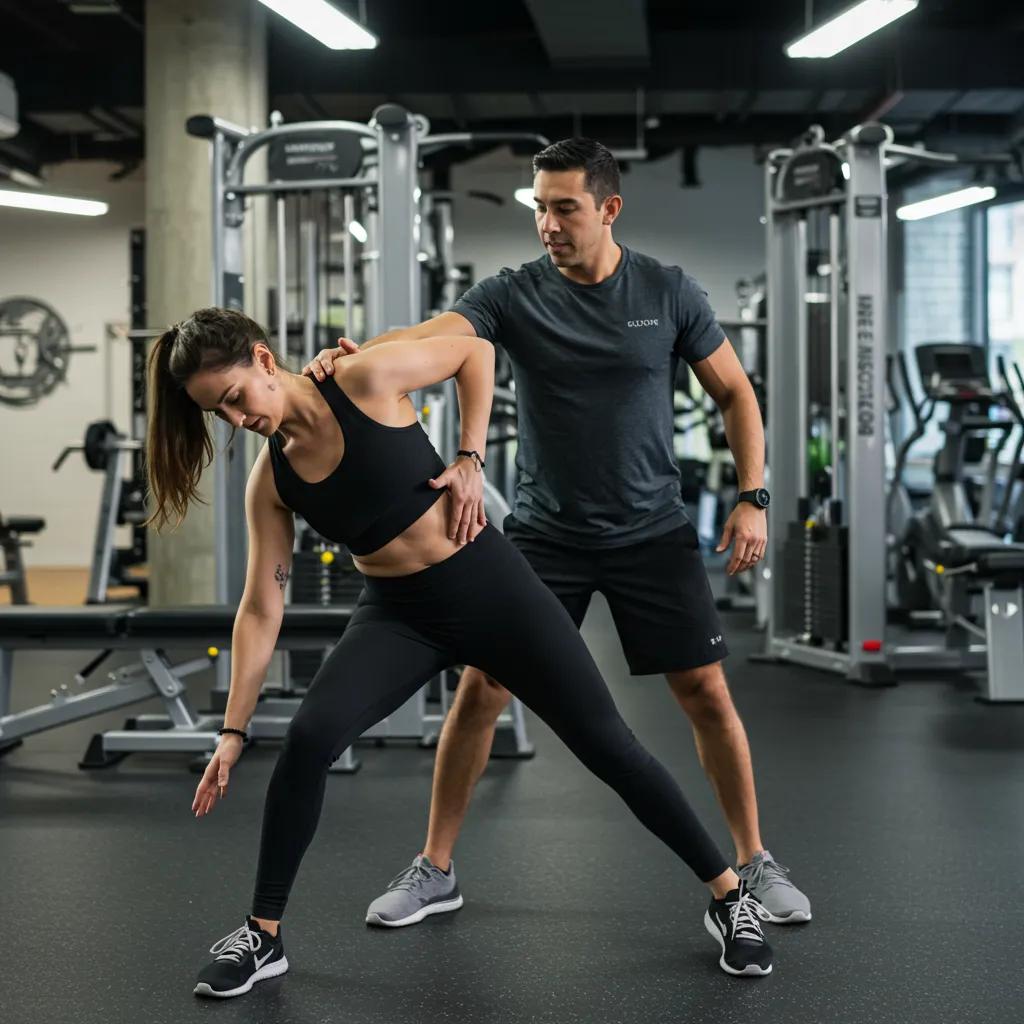
Struggling with aches after long days at the desk or noticing a rounded upper back in the mirror? Personal training in River North Chicago delivers targeted injury prevention and posture correction strategies that safeguard joints and realign the spine from the very first session. By combining functional movement assessments, corrective exercise techniques, Pilates-inspired core work, and ergonomic coaching, certified trainers create science-backed programs that reduce pain, enhance stability, and promote confident posture. This article explores the key benefits of injury prevention training, effective posture-correction methods, functional fitness principles for lasting wellness, the advantages of , and the role of corrective exercise specialists in optimizing movement.
What Are the Key Benefits of Injury Prevention Personal Training in Chicago?
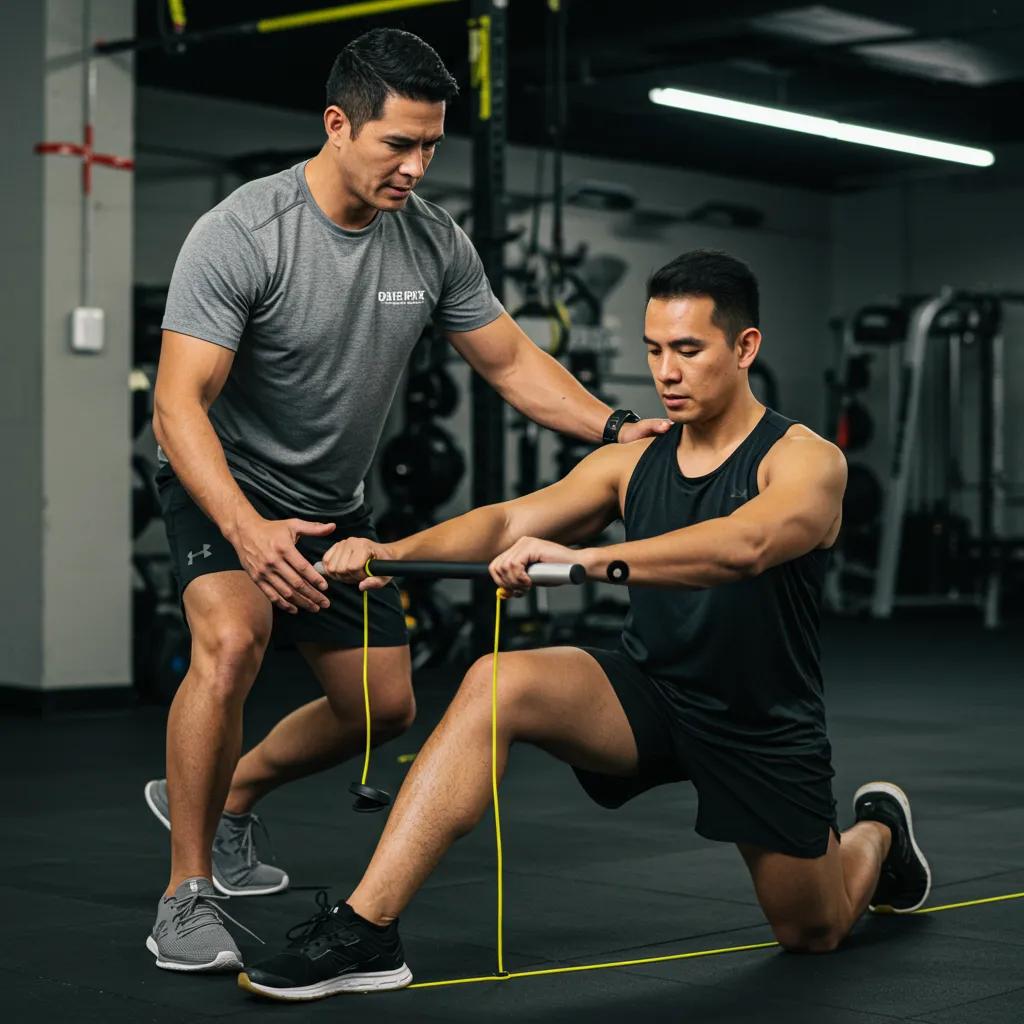
Injury prevention personal training integrates movement screening, targeted strength work, and mobility drills to reduce the risk of common workout injuries while boosting overall performance. Certified trainers identify muscle imbalances and faulty movement patterns, then implement corrective strategies that reinforce joint stability and optimal biomechanics. Clients experience improved range of motion, fewer aches, and greater confidence in daily activities through structured personal training and strength protocols.
Key benefits include:
- Enhanced joint stability through tailored resistance exercises that strengthen supporting muscles.
- Reduced pain and inflammation by correcting posture and muscle imbalances before they escalate.
- Improved movement efficiency that lowers fatigue and enhances endurance in both workouts and everyday tasks.
These advantages create a solid foundation for addressing specific injuries and sustaining long-term personal training
Which Common Workout Injuries Can Personal Training Help Prevent?
Personal training helps prevent shoulder impingement, knee strain, and lower back pain by targeting the root causes of each condition. Through movement analysis and corrective drills, trainers address poor joint mechanics, muscle imbalances, and overuse tendencies. Clients benefit from strengthened stabilizing muscles and improved coordination, which dramatically lowers injury risk and supports pain-free
Understanding these common injuries guides program design.
How Do Certified Personal Trainers Design Safe Injury Prevention Programs?
Certified personal trainers begin with a comprehensive functional movement screen to assess posture, flexibility, and core stability. They then develop progressive exercise sequences that blend corrective stretches, activation drills, and strength work to reinforce proper alignment. Regular re-evaluations ensure each workout evolves safely, maintaining optimal load and .
This systematic approach fosters long-term protection and prepares clients for personal training.
NASM Essentials of Corrective Exercise: Addressing Poor Movement Patterns
… poor movement patterns. Once these deficits are identified, the … correction of lower-extremity valgus at landing and improvement of side-to-side differences in lower-extremity movements…NASM essentials of corrective exercise training, Unknown Author, 2010
What Functional Training Techniques Reduce Injury Risks?
Functional training strengthens kinetic chains through multi-joint, multi-planar movements that mimic real-world activities. By emphasizing synchronized muscle engagement and core stabilization, these techniques enhance joint integrity and reduce compensatory strain. small group training.
Below is a table of essential functional exercises in injury prevention:
| Exercise | Movement Focus | Injury Risk Reduction |
|---|---|---|
| Deadlift hinge | Hip-hinge pattern | Protects lower back by strengthening glutes |
| Overhead squat | Ankle, hip, shoulder mobility | Improves full-body stability and alignment |
| Farmer’s carry | Core bracing and grip strength | Enhances spinal support and shoulder health |
| Lateral lunge | Hip abduction and adduction | Balances leg strength and protects knees |
Incorporating these movements builds functional strength and minimizes injury potential.
How Can Posture Correction Personal Training Improve Your Alignment in River North?
Posture correction evaluates spinal curves, shoulder positioning, and pelvic tilt to design corrective exercise routines that realign the entire body. By integrating mobility drills, scapular stabilization work, and targeted core activation, trainers restore balanced muscle engagement. Clients notice straighter posture, reduced neck tension, and increased confidence in just a few weeks of consistent practice.
These core components set the stage for addressing specific postural deviations like text neck.
What Exercises Correct Common Postural Issues Like Text Neck and Rounded Shoulders?
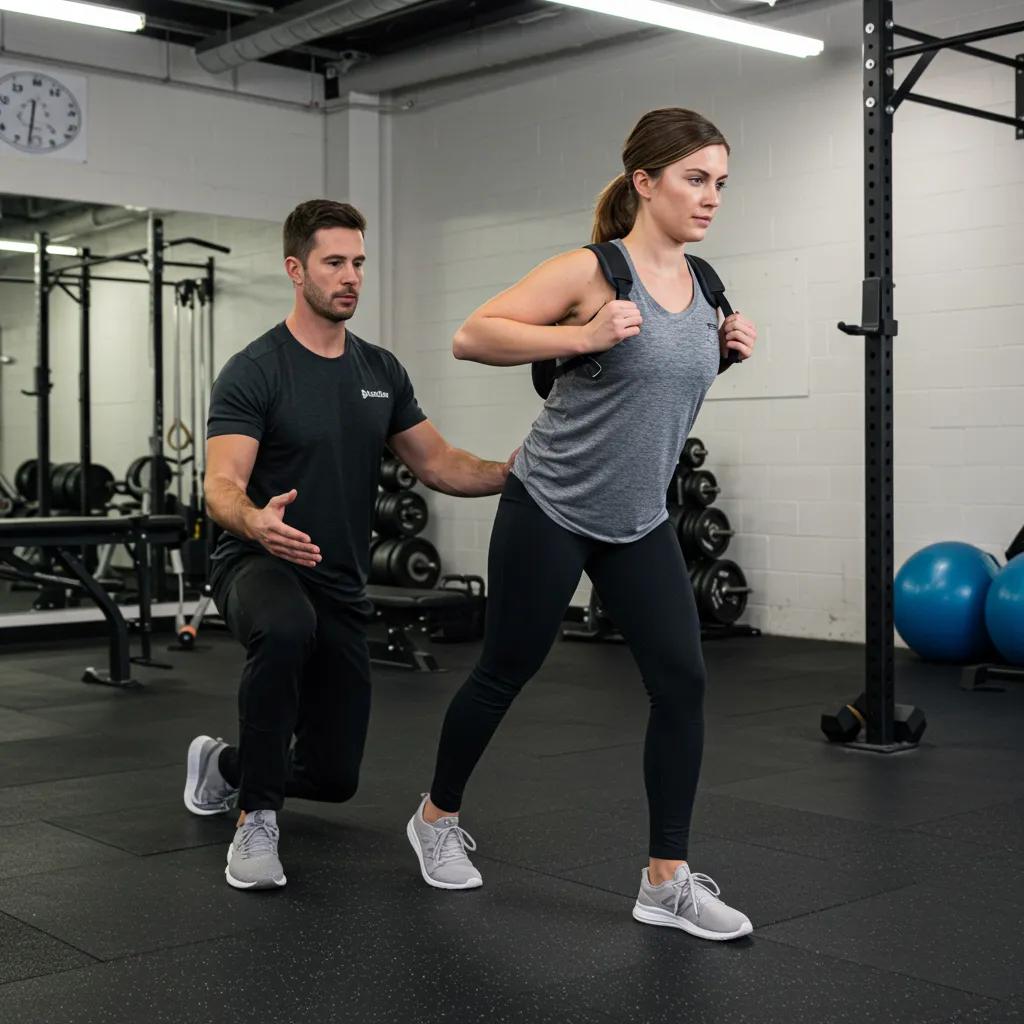
Corrective exercises such as chin tucks, thoracic extensions, and band pull-aparts realign the head over the spine and open the chest. Chin tucks strengthen deep neck flexors, thoracic extensions restore spine mobility, and band pull-aparts activate the upper back. Performing these drills daily reduces forward head posture and combats shoulder rounding.
Regularly practicing these promotes upward head alignment and improved shoulder positioning.
Posture Correction Exercises and Ergonomic Advice for Smartphone Users
Objective: To find the effect of posture correction exercises and ergonomic advices in chronic smartphone users having postural abnormalities. Materials and Methods: The subjects in Krishna University campus were screened and 45 subjects were given posture correction exercises and ergonomic advices. The interpretation of the study was doneEffect of posture correction exercises and ergonomic advices in people having postural abnormalities among chronic smartphone users, Unknown Author, 2019
How Does Pilates Support Posture Improvement and Core Strength?
Pilates emphasizes controlled movements that engage deep core muscles, enhance spinal articulation, and promote balanced musculature. Mat-based exercises like the Hundred, roll-up, and single-leg stretch train coordination, flexibility, and trunk stability. This method strengthens the powerhouse muscles beneath the surface, directly supporting small group training.
Integrating basic Pilates routines reinforces spinal support and encourages an upright posture.
What Ergonomic Advice Complements Posture Correction Training?
Adjustable desk chairs, monitor placement at eye level, and regular movement breaks complement in-studio posture work. An ergonomically set workstation maintains neutral spine and shoulder positions, while standing intervals foster micro-mobility throughout the day. Consistent posture checks and brief stretch breaks prevent stiff muscles and reinforce training gains.
Implementing these ergonomic strategies outside the gym enhances long-term alignment improvements. For more information, visit chicago strength in motion.
Why Choose Functional Fitness Training in River North Chicago for Long-Term Wellness?
Functional fitness training combines strength, mobility, and cardiovascular conditioning in multi-planar movement patterns that directly translate to daily activities. This approach builds resilient muscles and joints, reduces chronic pain, and enhances overall vitality. By focusing on real-world movement efficiency, clients develop durable long-term health and independence.
These lasting advantages perfectly complement personal training and posture correction goals.
How Does Functional Fitness Enhance Daily Movement and Joint Health?
Functional fitness exercises like squat variations, hinge patterns, and loaded carries reinforce joint stability and muscular coordination. By training multiple muscle groups together, these drills improve balance and reduce compensatory movements. Enhanced mobility and strength translate into safer , climbing stairs, and carrying workloads.
Adopting these patterns elevates everyday performance and safeguards joint health. small group training
What Mobility and Flexibility Exercises Are Essential in Functional Training?
Dynamic hip openers, scapular mobilizations, and ankle dorsiflexion drills maintain range of motion needed for multi-planar activities. These mobility routines loosen tight joints, promote fluid movement, and prevent overuse injuries. Consistent flexibility work supports proper technique during loaded and unloaded.
Embedding these drills into warm-ups ensures a resilient musculoskeletal system.
How Does Functional Training Support Injury Prevention and Posture?
Functional training integrates core stabilization, neuromuscular re-education, and balanced resistance work to reinforce ideal posture and protect joints. By practicing efficient movement patterns under load, clients build body awareness and correct compensations. This synergy of strength and alignment lowers injury risk and maintains small group training.
Functional principles unite injury prevention and postural health in a cohesive training model. small group training
What Are the Advantages of Small Group Personal Training for Injury Prevention in River North?
Small group personal training blends individualized coaching with peer support, delivering tailored injury prevention strategies in an engaging, cost-effective format. Lower trainer-to-client ratios ensure personalized attention, while group camaraderie fosters motivation and accountability. Participants gain clear exercise cues, structured progression, and a supportive community environment.
These combined benefits create an ideal setting for gains.
How Does Small Group Training Provide Personalized Attention and Community Support?
Qualified trainers assess each participant’s movement patterns and adjust exercises in real time, ensuring safe technique and progression. Group members share goals and encourage one another, boosting adherence and celebrating milestones together. This dynamic balance of expert feedback and social small group training accelerates results.
The supportive atmosphere strengthens individual commitment and collective progress.
Who Can Benefit Most from Small Group Fitness Programs Focused on Injury Prevention?
Beginners seeking foundational movement mastery, returning athletes rebuilding strength, and busy professionals looking for guided, efficient workouts all thrive in settings. Participants with previous injuries gain supervised corrective guidance, while those new to training receive clear coaching and injury-prevention education. This format suits a wide range of fitness levels and goals.
Small group personal training empowers diverse individuals to train safely and confidently.
How Does a Corrective Exercise Specialist in Chicago Help Address Muscle Imbalances and Improve Movement?
A corrective exercise specialist applies advanced movement screens, targeted myofascial release, and customized drill sequences to identify and resolve muscle imbalances. By realigning recruitment patterns and restoring balanced force distribution, these experts optimize biomechanics and reduce overuse stress. Clients achieve stronger stabilizer muscles, improved posture, and smoother functional movement. is essential for achieving these goals.
This specialized intervention bridges rehabilitation and performance for sustainable.
Corrective Exercise: A Practical Approach for Lifelong Health
… of the problem, but also on teaching optimal movement patterns, for lifelong health and function. … corrective exercise. This book presents a practical approach to corrective exercise in a …Corrective exercise: a practical approach: a practical approach, Unknown Author, 2014
What Are the Signs of Muscle Imbalances That Affect Posture and Injury Risk?
Visible indicators such as a winged scapula, anterior pelvic tilt, and unequal limb strength reveal underlying imbalances. These fault patterns often manifest as compensatory movements, chronic aches, or limited range of motion. Recognizing these signs allows to target specific dysfunctions and restore balanced muscle activation.
Identifying these signs informs precise program design and prevents future injuries.
How Are Post-Rehabilitation Exercise Programs Designed for Lasting Recovery?
Post-rehabilitation programs progress through gradual loading phases, functional integration drills, and periodic re-assessments to ensure continuous improvement. Specialists blend corrective exercises with practical movement patterns, bridging clinical recovery to everyday activities. Ongoing evaluations adapt protocols to evolving needs and prevent setbacks.
This structured progression secures lasting recovery and return to small group training.
What Movement Pattern Corrections Are Common in Corrective Exercise Training?
Corrective specialists frequently address hip-hinge re-education, scapular upward rotation drills, and sequential core bracing to restore efficient movement. These core corrections retrain neural pathways, optimize force transfer, and reinforce ideal alignment under load. As clients master these patterns, they experience reduced compensatory stress and enhanced functional performance.
Mastering these foundational corrections elevates overall movement quality and safeguards long-term.
Embrace personalized injury prevention and posture correction training in River North Chicago to protect your body and stand taller every day. Expert trainers integrate functional movement, corrective exercises, Pilates, and ergonomic coaching into cohesive programs that build resilience and confidence. Whether you prefer one-on-one sessions or the motivational energy of small groups, these services deliver measurable improvements in stability, alignment, and pain-free movement. Begin your journey toward lasting wellness and optimal posture with specialized personal training today.
FAQ: Personal Training in River North Chicago – Prevent Injury & Improve Posture
Q1: How does personal training in River North help with injury prevention?
A certified personal trainer in River North Chicago uses movement assessments and corrective strategies to spot muscular imbalances and mobility issues before they become injuries. Backed by NASM’s Corrective Exercise framework, trainers design safe, progressive programs that keep clients strong and injury-free.
Q2: Can personal training really improve posture long term?
Yes. With personalized coaching, clients learn how to strengthen weak postural muscles (glutes, core, upper back) while improving flexibility in tight areas. Resources like E5 Fit’s strength training approach show how posture correction is built into effective training programs.
Q3: What techniques are used to protect joints and the spine during training?
River North trainers emphasize functional strength training with proper form. They integrate mobility drills, resistance band exercises, and spinal alignment strategies. For more insight, see NASM’s injury prevention guide.
Q4: Is personal training only for people with injuries or posture issues?
Not at all. While many choose personal training for posture or pain relief, these programs also help athletes, busy professionals, and adults of all fitness levels. Studios like Chicago Strength in Motion show how tailored programs improve overall strength, mobility, and energy.
Q5: How quickly can I see results in posture and injury prevention?
Clients often notice better mobility, body awareness, and reduced discomfort within 4–6 weeks of consistent training. Lasting results depend on continued coaching and practice, supported by evidence-based progressions used by expert trainers.
Conclusion: Why Personal Training in River North Matters for Injury Prevention & Posture
Personal training in River North Chicago isn’t just about workouts—it’s about building a resilient body that moves well and resists injury. Trainers combine corrective exercise, functional movement patterns, and strength training to address postural weaknesses and reduce chronic pain. By integrating proven methods from organizations like NASM and applied practices from local experts at Chicago Strength in Motion, clients gain the benefits of science-backed training delivered in a supportive, results-driven environment.
Whether you’re recovering from long desk hours, managing previous injuries, or seeking improved athletic performance, River North personal training provides the expertise and accountability you need. With guided progression, you’ll move better, stand taller, and lower your risk of injury—making personal training a powerful investment in your long-term health and independence.
In short, personal training in River North Chicago is a proven path to better posture, stronger movement, and an injury-free lifestyle.