
Dynamic Neuromuscular Stabilization (DNS) takes a fresh look at how the body moves, training the nervous system and the muscles that support it to work together more efficiently. The approach centers on the relationship between the brain and the body, helping people build better motor control and more reliable stability in everyday movement. This guide walks through what DNS involves, why it works, and how it adapts to people at different fitness levels.
Many people deal with movement inefficiencies and posture issues that quietly raise their risk of injury and hold back their performance. DNS addresses this directly, with targeted training that sharpens neuromuscular coordination and restores functional movement. This guide covers the core ideas behind DNS, the techniques that bring it to life, the value of a personalized program, and how a functional movement assessment shapes training around each person’s needs.
Dynamic Neuromuscular Stabilization (DNS) is a therapeutic approach to better movement, built on the idea that the nervous system and the musculoskeletal system work as one team to control motion.
It works by retraining the body’s natural movement patterns, which in turn builds steadier, more efficient movement in daily activities and sport. The biggest advantage of DNS is how it corrects dysfunctional movement patterns, lowering injury risk and sharpening athletic performance.
DNS principles grow out of understanding how the body stabilizes itself in motion. Proper alignment and the activation of deep stabilizing muscles sit at the center of the method. Focusing on these elements helps people build better motor control, the foundation for executing complex movements well. That kind of optimization pays off twice over: better performance now, and long-term joint health and injury prevention later.
DNS makes a real difference in postural control because it goes after the underlying causes of poor posture and movement dysfunction, not just the symptoms. Through targeted exercises, people learn to engage their core and stabilizing muscles, which shows up as better alignment and balance. In one case study, athletes who worked through DNS techniques improved their posture and moved more efficiently, letting them perform at a higher level with less injury risk. community results advantages of small group fitness class.
A handful of core exercise techniques sit at the heart of DNS training, each one built to sharpen functional movement and stability. These techniques focus on dynamic stabilization, which matters most for maintaining balance and control during various physical activities.
Dynamic stabilization exercises are the backbone of DNS training. They ask the body to hold steady while performing a dynamic action: think bird-dogs, plank variations, and single-leg balances. Each one targets specific muscle groups and builds the coordination that functional movement training depends on.
Postural control training is a core part of DNS, and it goes straight after common movement dysfunctions. By correcting alignment and engaging the right muscle groups, people can work through issues like excessive lumbar lordosis or forward head posture. Success stories from clients who have gone through DNS training point to real improvements in how they move and perform.
A recent systematic review backs this up, pointing to the meaningful role DNS exercises play in rehabilitation across a range of conditions.
Systematic Review: DNS Exercises for Musculoskeletal & Neurological Rehabilitation ABSTRACT: ABSTRACTThe objective of this study was to systematically review and evaluate the relevant literature on dynamic neuromuscular stabilization (DNS) exercises. A literature search was conducted from inception to February, 2023 within PubMed, Medline, Google Scholar, Science Direct and EBSCO to identify studies related to the role of DNS in the rehabilitation of musculoskeletal and neurological conditions. The databases were searched using the following key words: Dynamic neuromuscular stabilization, pain, physical function, stroke, hemiplegia. After the initial search full text studies related to the use of DNS exercises in the rehabilitation of musculoskeletal or neurological conditions were selected for further review irrespective of study design. A quantitative analysis of the selected studies was done by using the Joanna Briggs Institute Critical Appraisal tool. The systematic review identified a total of 16 studies (seven low risk, six medium risk and three high risk of bias) that m Role of dynamic neuromuscular stabilization exercises in physical rehabilitation: a systematic review, JK Chawla, 2024
A personalized DNS program brings real benefits to anyone looking to move better. Each program is built around the client in front of us, so training stays matched to their specific goals.
Injury prevention sits at the center of what a personalized DNS program offers. By working through each person’s specific movement dysfunctions and weak points, the program lowers the odds of injury during physical activity. Clients typically see their performance improve too, as better motor control and stability let them move more efficiently.
Correcting movement patterns looks different for everyone, which is why DNS programs flex to meet beginners, intermediate clients, and advanced athletes where they are. A beginner might start with foundational stabilization work, while an advanced athlete takes on more complex movements that call for greater coordination and strength.
A functional movement assessment is what lets training be tailored to the person in front of us. It evaluates a client’s motor control, stability, and movement patterns, and that gives real insight into their specific challenges.
During the assessment, practitioners look closely at a client’s motor control and postural stability through a series of tests and observations. This is where weak spots or dysfunction come to light, the areas a training program needs to address. An assessment might show, for example, that a client struggles to hold balance during single-leg exercises, which points to a need for targeted stabilization work.
Assessment results feed directly into each client’s personalized exercise plan, so training addresses what actually needs attention. By zeroing in on the areas the assessment flagged, clients get more effective results and better overall movement quality.
Chicago residents who want to move better through DNS training can find expert support at Chicago Strength In Motion. This specialized fitness provider builds personalized training programs around movement optimization through advanced neuromuscular techniques.
Chicago Strength In Motion runs specialized DNS exercise programs across River North, Old Town, and Lincoln Park. The programs meet people at every fitness level, with tailored training built around their specific movement needs and goals. advantages of small group fitness class
The DNS specialists at Chicago Strength In Motion bring deep training and expertise in neuromuscular technique to every session. That background means clients get high-quality instruction and support from day one, leading to strong results and better movement efficiency.
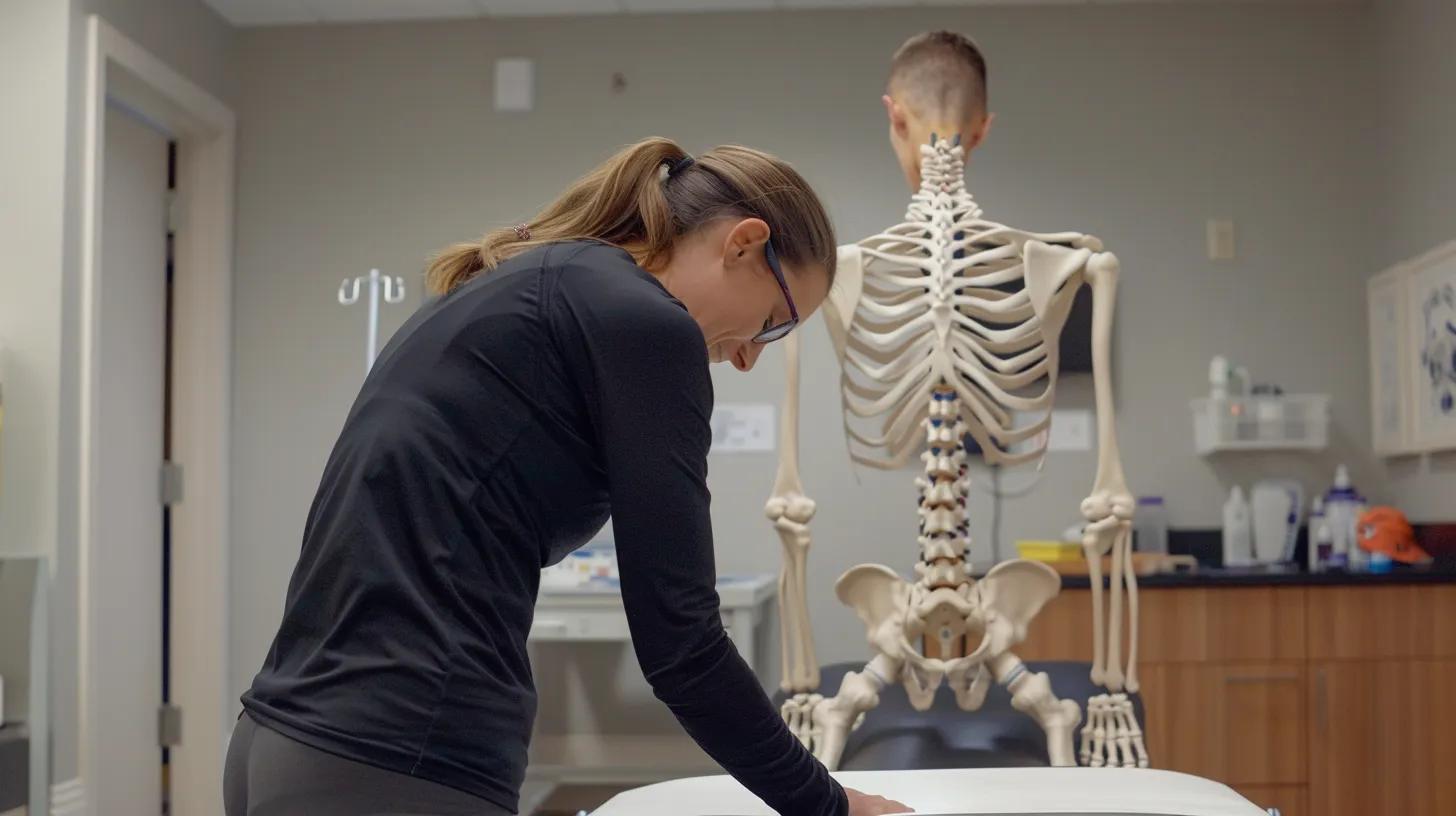
As more people learn about Dynamic Neuromuscular Stabilization, the same questions tend to come up about what it does and who it helps. Answering them clarifies the real value of DNS training.
DNS exercises help a wide range of people, from athletes chasing better performance to those working back from an injury. Whatever a person’s fitness level, DNS training can improve how they move and function day to day.
Neuromuscular training, and DNS in particular, builds lasting health by addressing the root causes of movement dysfunction rather than just the symptoms. Better motor control and stability help people stay functional for the long haul, lowering injury risk and improving their quality of life.
DNS exercises can help with a range of conditions, including musculoskeletal issues like back pain, joint instability, and postural problems. People recovering from neurological conditions such as stroke or hemiplegia often benefit too. The systematic review mentioned above found DNS effective in rehabilitation, helping restore functional movement and improve physical performance across different populations.
How quickly results show up depends on the person: their fitness level, how severe their movement dysfunction is, and how consistent they are with training. Most clients notice improvements in motor control and stability within a few weeks of regular practice. Bigger changes in movement patterns and overall performance can take several months, especially for more complex cases. Regular assessments help track progress effectively.
Yes, DNS training pairs well with other fitness programs. Many athletes and fitness enthusiasts fold DNS principles into their existing routines to boost performance and guard against injury. Because it focuses on proper alignment and stabilization, DNS complements strength training, yoga, and sports-specific drills alike. That combination lets people fine-tune their movement while still getting the benefits of whatever else they’re training in. small group fitness class
DNS training works well for older adults because it centers on stability, balance, and functional movement, all things that matter for staying independent and avoiding falls. Programs are tailored to each person’s needs and fitness level, so older adults get safe, effective exercise that supports overall health and mobility.
A DNS assessment is a thorough look at your movement patterns, motor control, and postural stability. A trained specialist will watch how you move and may run specific tests to pinpoint areas of weakness or dysfunction. The goal is to understand your particular challenges and use them to shape a personalized training program. It’s a collaborative process, so you’ll talk through your goals and concerns directly with the practitioner.
DNS training is generally safe, but like any exercise program, it carries some risk if exercises are done incorrectly or without proper guidance. Anyone with a pre-existing condition or injury should check with a healthcare professional before starting. Working with a qualified DNS specialist helps keep that risk low, since exercises get tailored to your specific needs and taught with correct technique.
Dynamic Neuromuscular Stabilization offers a genuinely different way to move better and perform better. Through personalized training that addresses each person’s specific movement dysfunctions, DNS meaningfully lowers injury risk while building stronger motor control and stability. A tailored DNS program can deliver real, measurable improvements no matter your starting fitness level. Explore expert DNS training options available in your area and see what better movement feels like.