River North Chicago residents seeking better strength and movement can find targeted workout classes that build muscle, improve joint range of motion, and reduce everyday pain. This guide explains what strength and mobility training are, how they work together, and which class formats and studio features to prioritize when searching for workout classes in River North Chicago. Many people confuse strength work with rigid weightlifting alone, but combining progressive resistance with mobility-focused sessions produces measurable gains in functional movement and injury resilience.
Below we map the top strength class formats, define mobility offerings, explain the advantages of small group personal training, and provide a neutral framework to compare local studios by amenities, class types, and pricing models. Read on to learn which class styles match your goals, how to evaluate programs on trial visits, and practical next steps to start training in River North with confidence.
What Are the Top Strength Training Classes in River North Chicago?
Strength training classes focus on improving muscle force production through progressive overload, which increases muscle mass, bone density, and the stability of joints used in daily tasks. These classes work by applying planned resistance—via barbells, dumbbells, kettlebells, or bodyweight—so that the neuromuscular system adapts and movement quality improves, delivering clearer functional benefits such as safer lifting mechanics and better balance.
Understanding the main class types helps residents choose formats that match their experience, available equipment, and mobility needs. The next subsection breaks down the most common class formats and what each typically involves.
Which Types of Strength Training Classes Are Available?

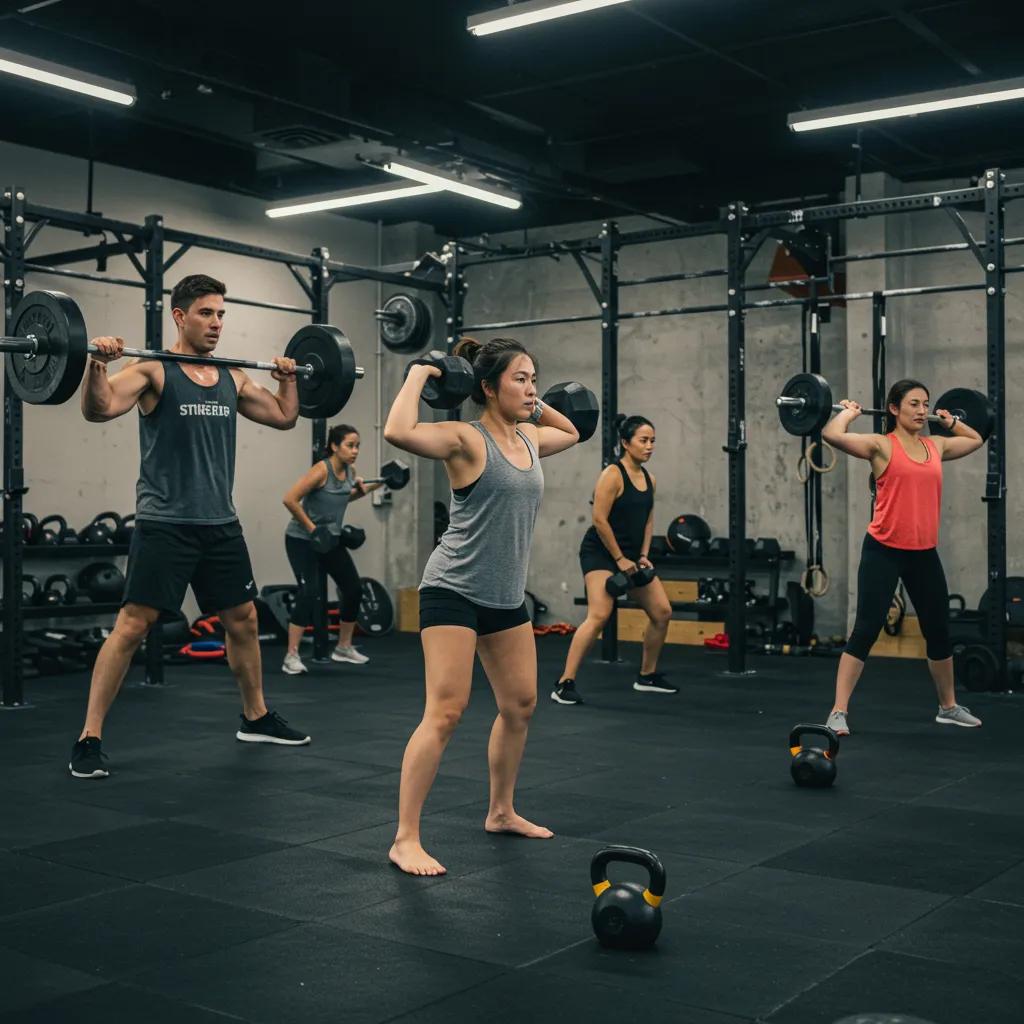
Strength-focused classes in River North commonly include weightlifting, HIIT-for-strength, kettlebell circuits, and functional strength sessions, each emphasizing different movement patterns and equipment. Weightlifting classes prioritize barbell work—squats, deadlifts, presses—with technique coaching and progressive loads suitable for those pursuing maximal strength and power. HIIT-for-strength blends short, intense intervals with resistance elements to boost metabolic conditioning and muscular endurance, while kettlebell and functional classes emphasize multi-planar movements that translate directly to daily tasks. Consider class size, instructor cues, and equipment access when choosing a style, as those factors determine how well a class supports both strength gains and movement quality.
The benefits of incorporating resistance training into a fitness program are extensive, impacting both health and athletic performance.
Resistance Training for Health and Performance Benefits
Resistance training is recommended by national health organizations for incorporation into a comprehensive fitness program that includes aerobic and flexibility exercise. Its potential benefits on health and performance are numerous; it has been shown to reduce body fat, increase basal metabolic rate, decrease blood pressure and the cardiovascular demands to exercise, improve blood lipid profiles, glucose tolerance, and insulin sensitivity, increase muscle and connective tissue cross-sectional area, improve functional capacity, and relieve low back pain. Many improvements in physical function and athletic performance are associated with the increases in muscle strength, power, endurance, and hypertrophy observed during resistance training. The key element to effective resistance training is supervision by a qualified professional and the proper prescription of the program variables. Proper program design,ie, that which uses progressive overload, variation, and specificity, is essential to maximize the benefits associated with resistance training.
| Class Type | Focus / Typical Duration | Equipment Needed |
|---|---|---|
| Weightlifting | Max strength, 45–60 minutes | Barbells, plates, platforms |
| HIIT-for-strength | Strength + conditioning, 30–45 minutes | Dumbbells, kettlebells, rowers |
| Kettlebell circuits | Power and endurance, 30–45 minutes | Kettlebells, mats |
| Functional strength | Movement patterns, 45–60 minutes | Dumbbells, bands, sleds |
This table highlights how class formats differ in focus and gear, helping you match a format to your goals before attending a trial.
What Are the Benefits of Strength Training for Mobility and Health?
Strength training improves mobility by strengthening the muscles that support joints, which enhances joint stability and control during movement and reduces compensatory patterns that lead to pain. On a physiological level, progressive overload increases tendon robustness and neuromuscular coordination, enabling a wider and safer range of motion under load. Practically, stronger hip and trunk muscles often translate into easier daily tasks—lifting groceries, climbing stairs, and carrying children—while also lowering the risk of falls and soft-tissue injuries. Recent research summaries from professional organizations indicate that combining resistance work with mobility routines yields superior functional outcomes compared with strength or mobility training alone, making a blended approach especially effective for River North residents who need both capacity and movement quality.
How Can Mobility Classes in River North Improve Your Flexibility and Movement?
Mobility classes aim to increase usable range of motion, improve tissue quality, and retrain movement patterns so that increased flexibility is functional under load and speed. These sessions typically use dynamic stretching, positional holds, foam rolling, and joint-specific drills to restore comfortable movement and reduce pain during everyday activities. For people who lift weights or do high-intensity training, mobility work complements strength by ensuring the newly developed force can be expressed through safe joint positions. The next subsection outlines specific mobility class styles and when to choose each one.
What Types of Mobility Classes Should You Try?

Mobility-focused offerings in River North span yoga-for-mobility, Pilates-based movement, dynamic stretching workshops, and dedicated mobility clinics that combine assessment with corrective drills. Yoga for mobility emphasizes breath-linked sequencing and sustained joint openness, while Pilates centers on core control and lengthened movement that supports spinal mobility. Dynamic stretching sessions use movement patterns that mimic sport or daily tasks, preparing tissues for activity, and mobility workshops provide coach-led assessments with targeted corrective exercises. Choose based on whether you need relaxation and range, core-driven stability, or hands-on corrections; each format targets slightly different mechanisms for improving movement quality.
Mobility sessions use a mix of self-myofascial release and progressive positional work, which leads naturally into why regular mobility practice reduces injury risk and supports daily function.
Why Is Mobility Training Important for Injury Prevention and Daily Life?
Mobility training reduces injury risk by promoting joint alignment, balanced strength across muscle groups, and nervous system control of end ranges, which prevents abrupt tissue overload during common activities. Improved mobility simplifies daily movements—reaching overhead, bending to tie shoes, or rotating to back a car—with less compensatory strain placed on adjacent joints. For lasting benefits, practitioners should aim for consistent short protocols (two to three 15–30 minute sessions per week) integrated around strength workouts to both prime and recover tissues. This combination—frequent mobility practice plus progressive resistance—optimizes long-term joint health and movement efficiency for active River North lifestyles.
Why Choose Small Group Personal Training for Strength and Mobility in River North?
Small group personal training blends the personalization of one-on-one coaching with the social accountability and cost-effectiveness of a group setting, helping members progress in strength while preserving or improving mobility. These programs typically cap class sizes to ensure individualized cueing, progressive programming tailored to skill level, and built-in corrective attention that addresses mobility deficits alongside strength progressions. Small groups also foster community and motivation, which increases adherence and long-term results compared to unsupervised training. The following subsection lists the primary advantages and what a typical session flow looks like.
What Are the Advantages of Small Group Personal Training?
Small group training offers focused coaching at a lower per-person cost, enabling technique correction and tailored progressions that translate into safer strength and mobility gains. Trainers in this setting can program scalable exercises—regressions and progressions—that meet mixed-ability groups while ensuring each participant receives movement checks and load adjustments. The group environment builds accountability and social support, which often leads to higher attendance rates and better long-term outcomes. A typical session begins with a mobility primer, moves into coached strength sets, and ends with corrective mobility or recovery strategies to reinforce safe movement patterns.
These advantages point directly to how you should evaluate programs, which the next subsection covers with a practical checklist.
How Do You Find the Right Small Group Training Program in River North?
When evaluating small group personal training in River North Chicago, use a checklist to compare programs on coach credentials, coach-to-client ratio, programming structure, and trial policies. Ask whether trainers provide movement assessments, how progression is tracked, and whether session caps allow for individualized attention during heavier lifts. Watch a trial class to observe cueing quality, how corrections are delivered, and whether the environment supports mobility work alongside strength. Red flags include large, uncapped classes with one coach and no clear progression plan; the checklist below summarizes key evaluation points.
- Look for clear progression plans and measurable goals in program descriptions.
- Confirm small class caps (ideally under 10 participants) and visible coach feedback during sessions.
- Ensure trainers perform movement screens and prescribe regressions or progressions.
- Verify trial or drop-in options so you can test class fit before committing.
Use this checklist during trials to test program fit and to compare options objectively.
Which Are the Best Fitness Studios in River North Chicago for Strength and Mobility?
Choosing the best studio in River North depends on criteria like class variety (strength + mobility), trainer qualifications, small group availability, and supportive amenities that make training consistent and convenient. Evaluate studios by how their schedules balance strength blocks with mobility sessions, whether they offer progressive small group plans, and if they provide assessment-driven workshops for corrective movement. Consider the role of amenities—adequate equipment, clean changing areas, and recovery options—in supporting consistent attendance and quality sessions. The table below presents a neutral comparison framework you can apply when assessing local studios.
| Studio Type | Class Types / Focus | Amenities | Trial Options |
|---|---|---|---|
| Boutique strength studio | Weightlifting, functional strength, coached lifts | Platform or lifting area, barbells, plates | Drop-in, trial class |
| Functional fitness gym | HIIT + strength, mobility warm-ups | Versatile equipment, open floor space | Class packs, trial |
| Yoga / Pilates studio | Yoga for mobility, Pilates reformer sessions | Mats, reformers, recovery props | Intro class, workshops |
What Amenities and Class Types Do Top River North Studios Offer?
Top local studios commonly offer a mix of strength classes (barbell and functional), mobility offerings (yoga, Pilates, mobility workshops), and amenities such as showers, secure storage, and varied equipment to support progressive training. Amenities like adequate free-weight inventory, stable lifting platforms, and recovery tools (foam rollers, mobility kits) make it easier to implement corrective strategies learned in class. The presence of scheduled mobility workshops or one-on-one movement assessments indicates a studio that emphasizes long-term function over quick results. Understanding these elements helps you choose a facility that supports both strength development and ongoing mobility improvement.
How Do Pricing and Membership Options Compare Among River North Fitness Studios?
Studios typically offer drop-in rates, class packs, and monthly memberships; evaluating cost-per-class and contract flexibility helps determine real value for your training needs. Drop-in options are best for short-term testing, class packs suit intermittent attendance, and memberships reduce per-class cost for consistent training—calculate cost-per-class by dividing total monthly cost by expected weekly attendance times four. Look for introductory trials or discounted first-month options to test both strength and mobility classes before committing. When comparing prices, weigh coach-to-client ratios and program structure, since higher-quality coaching can justify a higher per-class price through faster, safer progress.
For practical next steps in River North, consider trying a mobility workshop plus a small-group strength trial to assess both programming and facility fit; if trial classes match your goals and coaching standards, book a short introductory package or trial class schedule to begin consistent training. Book a trial class or check schedules locally to experience coaching quality firsthand and confirm that the studio’s programming aligns with your strength and mobility goals.
Frequently Asked Questions
What should I look for in a strength training class?
When selecting a strength training class, consider factors such as class size, instructor qualifications, and the type of equipment used. Look for classes that emphasize proper technique and progressive overload to ensure safety and effectiveness. Additionally, assess whether the class structure includes warm-ups, cool-downs, and mobility work, as these elements are crucial for injury prevention and overall performance. Observing a trial class can also provide insight into the instructor’s coaching style and the class environment.
How often should I attend strength and mobility classes?
For optimal results, aim to attend strength and mobility classes at least two to three times per week. This frequency allows for adequate recovery while promoting consistent progress in both strength gains and mobility improvements. Incorporating mobility sessions alongside strength training can enhance your overall performance and reduce the risk of injury. It’s essential to listen to your body and adjust your schedule based on your recovery needs and fitness goals.
Can beginners participate in strength and mobility classes?
Yes, beginners are encouraged to participate in strength and mobility classes. Many studios offer introductory sessions or beginner-friendly classes designed to accommodate those new to fitness. It’s important to communicate your experience level to the instructor, who can provide modifications and ensure you perform exercises safely. Starting with foundational movements and gradually increasing intensity will help build confidence and competence in your training journey.
What is the role of nutrition in strength and mobility training?
Nutrition plays a vital role in supporting strength and mobility training. A balanced diet rich in protein, healthy fats, and carbohydrates provides the necessary fuel for workouts and aids in recovery. Proper nutrition helps repair muscle tissue, replenish energy stores, and maintain overall health. Consider consulting a nutritionist or dietitian to create a personalized meal plan that aligns with your fitness goals and complements your training regimen.
How can I track my progress in strength and mobility training?
Tracking progress in strength and mobility training can be done through various methods, such as keeping a workout journal, using fitness apps, or recording personal bests. Monitor metrics like the amount of weight lifted, the number of repetitions completed, and improvements in flexibility or range of motion. Regular assessments, such as movement screenings or fitness tests, can also help gauge your progress and identify areas for further development.
Are there any risks associated with strength and mobility training?
While strength and mobility training is generally safe, there are risks if exercises are performed incorrectly or without proper supervision. Common risks include strains, sprains, and overuse injuries. To minimize these risks, ensure you receive guidance from qualified instructors, use appropriate weights, and prioritize proper form. Additionally, incorporating adequate warm-up and cool-down routines can help prepare your body for exercise and aid in recovery.
What should I do if I experience pain during a workout?
If you experience pain during a workout, it’s crucial to stop the activity immediately and assess the situation. Distinguish between normal discomfort from exertion and pain that may indicate an injury. If the pain persists, consult a healthcare professional or a physical therapist for an evaluation. It’s essential to address any underlying issues before returning to training to prevent further injury and ensure a safe workout experience.
Conclusion
Engaging in targeted strength and mobility classes in River North can significantly enhance your physical capabilities, leading to improved daily function and reduced injury risk. By understanding the various class formats and their benefits, you can make informed choices that align with your fitness goals. Take the next step towards a healthier lifestyle by exploring local studios and their offerings. Start your journey today by booking a trial class to experience the benefits firsthand.