Bodyweight resistance exercises have gained popularity as an effective way to build strength and endurance without the need for expensive gym memberships or equipment. This comprehensive guide will explore the various benefits of bodyweight workouts, essential exercises for beginners, and strategies for progressing to advanced routines.
Many individuals struggle to find time or resources for traditional gym workouts, but bodyweight training offers a convenient and accessible solution. In this article, we will cover the key benefits of bodyweight resistance exercises, essential movements for beginners, progression strategies, and sample workout plans that can be done at home.
What Are the Key Benefits of Bodyweight Resistance Exercises?
Bodyweight resistance exercises provide numerous advantages that make them an appealing choice for fitness enthusiasts of all levels. These exercises improve strength and endurance, are convenient and cost-effective, and can be performed anywhere, making them highly accessible.
Further emphasizing these points, research highlights the comprehensive benefits of calisthenics for overall health and fitness.
Calisthenics: Bodyweight Strength, Flexibility & No-Equipment Fitness
Also known as bodyweight training, calisthenics utilizes the person’s body to build muscle strength and increase flexibility while enhancing neuromuscular control. When people start incorporating regular physical activity into their routine, they will notice their health and quality of life improved, their fitness levels will increase, and the risk of several chronic diseases associated with the musculoskeletal body will be reduced. (Bellissimo et al., 2022) The best way to think about calisthenics is to think like push-ups, planks, squats, and dynamics stretches when working out. Additionally, calisthenics can be scalable and adaptable to any person’s fitness level without heavy gym equipment or HIIT workouts.
Calisthenics: A Beginner’s Guide to Fitness
- Improves Strength and Endurance: Bodyweight exercises engage multiple muscle groups, enhancing overall strength and muscle endurance.
- Convenient and Cost-Effective: No equipment is required, allowing individuals to work out at home or outdoors without financial investment.
- Can Be Done Anywhere: The flexibility of bodyweight training means workouts can be performed in various environments, from living rooms to parks.
For those looking to enhance their fitness journey, incorporating bodyweight exercises can lead to significant improvements in physical health and well-being.
How Does Bodyweight Training Improve Strength and Muscle Endurance?
Bodyweight training improves strength and muscle endurance by engaging multiple muscle groups simultaneously. This type of training enhances functional strength, which is crucial for everyday activities. For example, exercises like push-ups and squats require coordination and stability, leading to better overall muscle engagement. As a result, individuals can expect to see improvements in their physical capabilities, making daily tasks easier and more manageable.
Why Choose No Equipment Home Fitness Exercises?
Choosing no equipment home fitness exercises offers several benefits, particularly for those new to fitness or with limited access to gyms. These exercises are accessible for all fitness levels, allowing beginners to start at their own pace. Additionally, there is no need for a gym membership, which can be a financial burden. This accessibility encourages consistency and helps individuals develop a sustainable workout routine.
Which Beginner Bodyweight Exercises Are Essential for Effective Home Workouts?
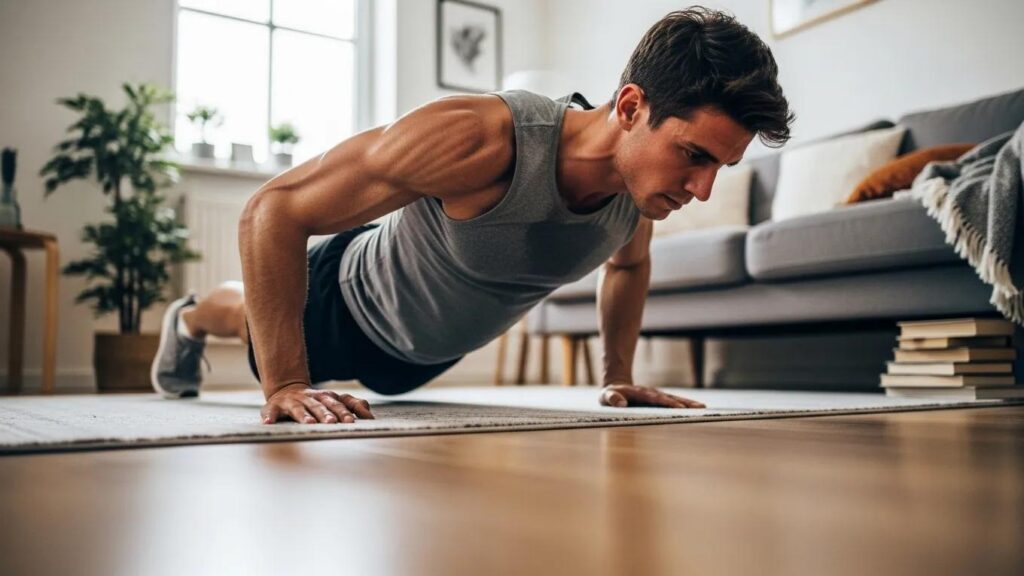
For beginners, certain bodyweight exercises are essential for building a solid foundation in strength training. These exercises focus on form and technique, ensuring that individuals develop the necessary skills for more advanced movements.
- Push-ups: A fundamental exercise that targets the chest, shoulders, and triceps while also engaging the core.
- Squats: This lower body exercise strengthens the legs and glutes, promoting overall lower body strength.
- Lunges: Lunges enhance balance and coordination while targeting the quadriceps, hamstrings, and glutes.
What Are the Best Calisthenics Movements for Beginners?
The best calisthenics movements for beginners include push-ups, squats, and lunges. These exercises are effective for building foundational strength and can be modified to suit individual fitness levels. For instance, knee push-ups can be used as a starting point for those who find standard push-ups challenging. Focusing on proper form and technique is crucial for preventing injuries and maximizing the benefits of these movements.
How Should Beginners Structure Their Initial Workout Routines?
Beginners should structure their initial workout routines by incorporating a mix of strength and endurance exercises. A balanced routine might include: personal training.
- Frequency: Aim for 3-4 workouts per week.
- Duration: Each session should last 20-30 minutes.
- Rest Days: Incorporate rest days to allow for recovery and muscle growth.
This structure helps beginners gradually build strength and endurance while avoiding burnout.
Essential Beginner Bodyweight Exercises for Home Workouts
Progressing to advanced calisthenics and resistance training exercises involves gradually increasing the difficulty of workouts. This can be achieved through various strategies that challenge the body and promote growth.
Indeed, continuous adaptation in resistance training programs is crucial for sustained increases in muscle strength and growth, as supported by scientific literature.
Resistance Training Progression for Strength & Muscle Growth
Resistance training (RT) is considered the most effective method to increase muscle strength and cross-sectional area (CSA) [1]. For these adaptations to occur continuously, the RT program must be systematically modified, compelling the human body to adapt to the changing stimuli [2] [3]. It is recommended that these alterations in RT stimulus align with three general principles of training progression: 1) progressive overload, 2) variation, and 3) s
Effects of resistance training overload progression protocols on strength and muscle mass, TS Chaves, 2024
- Increase Repetitions: Gradually increase the number of repetitions for each exercise to build endurance and strength.
- Add Variations: Incorporate advanced variations of basic exercises, such as single-leg squats or decline push-ups, to target muscles differently.
What Are Effective Strategies for Increasing Workout Difficulty?
To make workouts harder, individuals can incorporate several effective strategies:
- Incorporate Explosive Movements: Adding explosive movements, such as jump squats, can increase intensity and improve power.
- Use Time Under Tension: Slowing down the tempo of exercises can enhance muscle engagement and promote growth.
These strategies not only increase workout difficulty but also keep routines engaging and challenging.
Which Muscle Groups Are Targeted by Advanced Bodyweight Exercises?
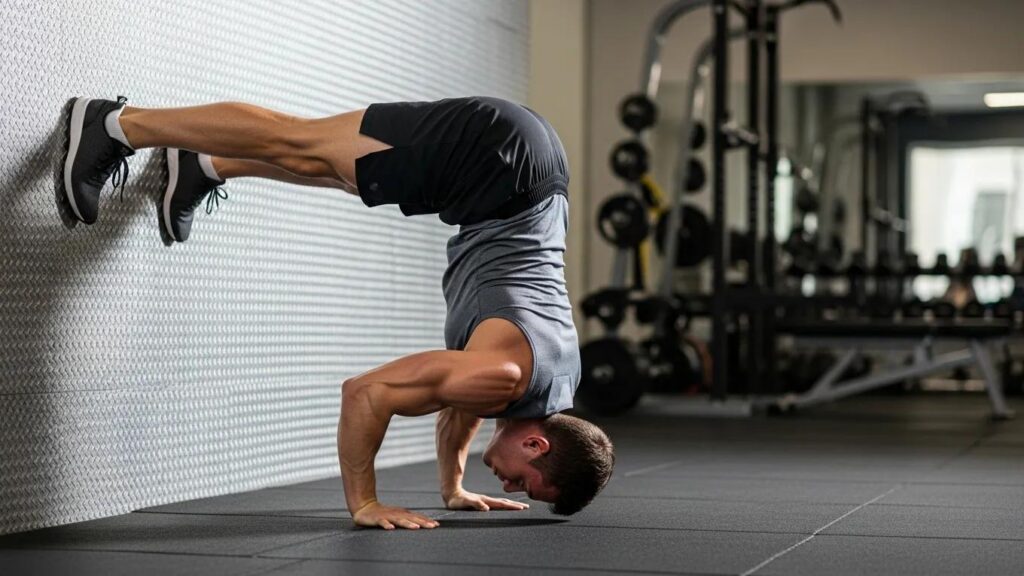
Advanced bodyweight exercises target major muscle groups, focusing on compound movements that engage multiple areas of the body. For example, movements like muscle-ups and handstand push-ups require strength from the upper body, core, and lower body, promoting overall muscle development. Understanding which muscle groups are engaged helps individuals tailor their workouts to meet specific fitness goals.
What Are Sample Home Workout Plans Using Bodyweight Resistance Exercises?
Creating a balanced no equipment strength training routine involves selecting exercises that target all major muscle groups. A sample workout plan might include: blog
- Warm-up: 5-10 minutes of dynamic stretching.
- Strength Circuit: Push-ups: 3 sets of 10-15 repsSquats: 3 sets of 15-20 repsLunges: 3 sets of 10-12 reps per leg
- Cool Down: 5-10 minutes of static stretching.
How to Design a Balanced No Equipment Strength Training Routine?
To design a balanced no equipment strength training routine, include exercises that target all major muscle groups. Ensure that the routine incorporates both upper and lower body movements, as well as core exercises. This balance promotes overall strength and prevents muscle imbalances.
What Common Mistakes Should Be Avoided in Bodyweight Training?
When engaging in bodyweight training, individuals should be mindful of common mistakes that can hinder progress or lead to injury. Key mistakes to avoid include: blog
- Neglecting Form: Proper form is crucial for maximizing benefits and preventing injuries.
- Skipping Warm-ups: Failing to warm up can increase the risk of injury and reduce workout effectiveness.
By avoiding these pitfalls, individuals can enhance their bodyweight training experience and achieve better results.
Frequently Asked Questions
1. Can bodyweight exercises help with weight loss?
Yes, bodyweight exercises can be effective for weight loss when combined with a balanced diet. These exercises increase heart rate and burn calories, contributing to a caloric deficit necessary for weight loss. Additionally, bodyweight workouts can build muscle, which in turn boosts metabolism. Incorporating high-intensity intervals or circuit training with bodyweight exercises can further enhance calorie burn, making them a valuable tool for those looking to shed pounds.
2. How often should I perform bodyweight workouts for optimal results?
For optimal results, aim to perform bodyweight workouts 3 to 5 times a week. This frequency allows for adequate muscle engagement while providing enough recovery time. Beginners may start with 2 to 3 sessions per week, gradually increasing as their strength and endurance improve. It’s essential to listen to your body and incorporate rest days to prevent overtraining and promote muscle recovery, which is crucial for progress.
3. Are bodyweight exercises suitable for all fitness levels?
Absolutely! Bodyweight exercises are highly adaptable and can be modified to suit all fitness levels. Beginners can start with simpler variations, such as knee push-ups or wall squats, while more advanced individuals can progress to challenging movements like one-arm push-ups or pistol squats. This versatility makes bodyweight training an inclusive option for anyone, regardless of their current fitness level or experience.
4. How can I stay motivated to continue bodyweight training?
Staying motivated in bodyweight training can be achieved through setting specific, achievable goals, tracking progress, and varying your workouts. Consider joining online communities or workout groups for support and inspiration. Additionally, creating a structured routine and incorporating fun challenges, such as timed workouts or skill-based goals, can keep your training engaging and help maintain your enthusiasm over time.
5. What should I do if I hit a plateau in my bodyweight training?
If you hit a plateau in your bodyweight training, consider changing your routine to introduce new challenges. This can include increasing repetitions, adding variations, or incorporating different exercises that target the same muscle groups. Additionally, ensure you are allowing adequate recovery time and nutrition to support muscle growth. Sometimes, taking a short break or reducing workout intensity can also help reset your progress.
6. Can bodyweight training improve flexibility?
Yes, bodyweight training can significantly improve flexibility, especially when exercises are performed with a full range of motion. Movements like lunges, squats, and dynamic stretches not only build strength but also enhance flexibility in the muscles and joints. Incorporating dedicated stretching sessions or yoga into your routine can further promote flexibility, making bodyweight training a comprehensive approach to fitness.
7. Is it necessary to warm up before bodyweight workouts?
Yes, warming up before bodyweight workouts is essential to prepare your muscles and joints for exercise. A proper warm-up increases blood flow, enhances flexibility, and reduces the risk of injury. Spend 5 to 10 minutes on dynamic stretches or light cardio to elevate your heart rate and loosen up your body. This practice not only improves workout effectiveness but also contributes to better overall performance during your training sessions.
Conclusion
Incorporating bodyweight resistance exercises into your fitness routine offers a convenient and cost-effective way to enhance strength and endurance without the need for equipment. These workouts are accessible to all fitness levels, making them an ideal choice for anyone looking to improve their health and well-being. By starting with essential movements and gradually progressing, you can achieve significant results over time. Begin your journey to a stronger, healthier you by exploring our comprehensive workout plans today.