Workout injury prevention starts with proper warm-ups, correct form, and gradual progression rather than sudden intensity spikes. Common causes include skipping warm-ups, repeating motions without rest, and poor technique. Chicago Strength in Motion’s certified trainers use functional movement assessments and corrective exercise techniques in River North to safeguard joints, Personal Training in Chicago, Prevent Injury&Improve Posture, and build strength safely from the first session.
Key Takeaways
Plan your workouts with certified personal trainers to establish safe exercise foundations before starting.
Proper form during exercise prevents strains, sprains, and back pain across all fitness levels.
Coach Ryan Thomas leads small group training sessions designed specifically for injury prevention and safety.
One-on-one training with NASM-certified trainers ensures personalized guidance for your individual fitness needs and goals.
What Causes Most Workout Injuries?

Skipped warm-ups account for a large share of How Strength-Based Workout Classes in River North Help You Avoid Injury among gym beginners and active adults. Cold muscles and stiff joints simply cannot handle sudden strain the way warmed-up tissue can. Blood flow rises during a proper warm-up, and warmed muscles absorb stress far better than cold ones. A foundational piece of preventing fitness injuries before a single rep begins.
Beyond warm-up habits, several patterns show up again and again in gym injury cases:
Poor exercise form that places stress on the wrong joints or muscles
Overtraining without adequate recovery between sessions
Repetitive motion performed without variation or rest
Each factor compounds the others. A lifter with shaky squat form who also skips rest days significantly increases their risk of injury.
Does form matter more than intensity?
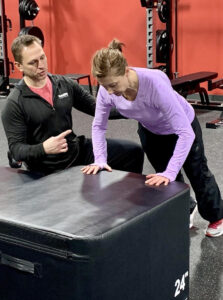
Form matters more than raw effort in most cases. A trainer can spot and correct faulty mechanics in a single session, often before an injury ever develops. That kind of early correction supports genuine injury risk reduction, since flawed patterns tend to worsen under heavier loads.
Can beginners really avoid injury without prior gym experience?
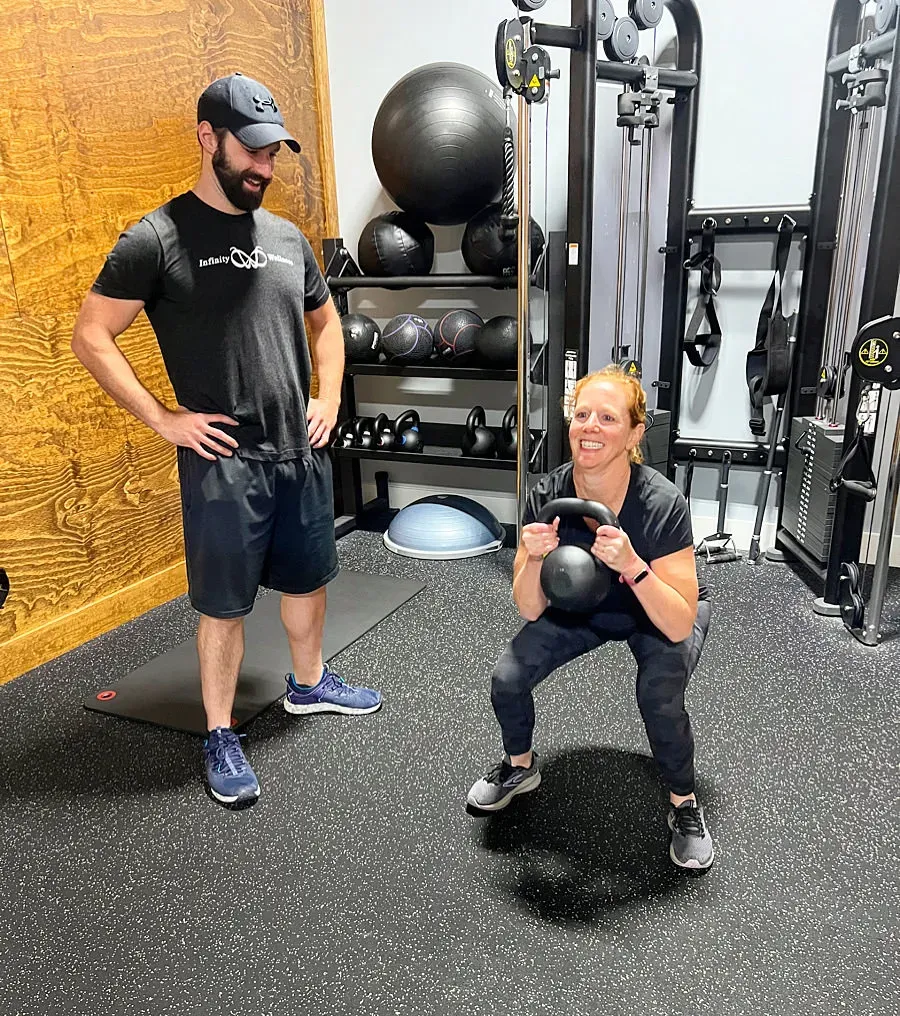
Guided instruction closes that gap quickly. Learning proper machine setup, joint alignment, and pacing from day one builds the kind of safe workout practices that protect beginners as training intensity increases.
How Does Coaching Lower Injury Risk?
Structured coaching lowers injury risk by pairing movement assessment with targeted strength. Mobility work before fatigue or bad habits take hold. Preventing fitness injuries starts with identifying weak links in a client’s mechanics, not simply adding more reps. This approach shifts training from guesswork to a repeatable process built on evidence.
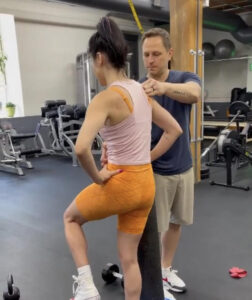
At Chicago Strength in Motion, certified personal trainers design every session around this framework. Movement screening comes first, followed by strength drills that correct imbalances and mobility work that restores joint range. The combination directly supports injury risk reduction. Compensations and stiffness rarely announce themselves until pain or a setback forces a pause in training.
What credentials should a trainer have for injury prevention?
Look for certifications tied to movement science, not just general fitness knowledge. Coach Ryan Thomas brings nearly 20 years of experience in the personal training industry, having honed his craft at premier fitness institutions including David Barton Gym and Equinox before founding his own River North practice. He holds a NASM personal training certification, grounding his programming in accepted standards for exercise technique and progression, and his clinical approach was further shaped through mentorship under physical therapist and DNS instructor Dr. Robert Lardner.
Why does movement quality matter more than intensity?
Poor mechanics under load compound over time, turning small faults into chronic pain patterns. Coach Ryan’s background as a DNS (Dynamic Neuromuscular Stabilization) exercise specialist, developed under the mentorship of physical therapist and DNS instructor Dr. Robert Lardner, adds a layer of movement-quality assessment rooted in clinical movement science. That depth of training catches faults early, before they become injuries — a level of scrutiny general fitness credentials alone don’t provide.
Together, certified oversight and structured screening form the backbone of safe workout practices, giving clients a training plan built to protect joints, correct posture, and support long-term consistency in the gym.
What Safe Practices Keep Progress Steady?

Steady progress depends on structure, not intensity spikes. Why Small Group Workout Classes in River North Are Changing Fitness build that structure by emphasizing proper form. Gradual progression instead of the high-intensity formats that often lead to burnout. This approach supports safe workout practices by keeping each session purposeful rather than punishing.
Session length matters too. Functional training sessions typically run 45 minutes to one hour, a window long enough to build strength but short enough to protect recovery. Overtraining chips away at joints and connective tissue long before it shows up as visible fatigue.
Recovery extends beyond the workout floor. Nutrition guidance comes built into personal training packages, giving muscles and joints the fuel needed to repair and adapt. Skipping this piece undermines even a well-designed program. injury risk reduction depends as much on what happens outside the gym as inside it.
Does everyone need one-on-one attention to train safely?
Not always, but some clients benefit from it. Private 1-on-1 training remains available for those managing chronic pain, past injuries, or movement patterns that need closer correction.
What is the biggest threat to consistent, injury-free training?
Rushing progression ranks among the top culprits. Preventing fitness injuries starts with pacing increases in load and complexity rather than chasing fast results:
Prioritize form before adding weight or speed
Match session intensity to current recovery status
Treat nutrition as part of the training plan, not an afterthought
Frequently Asked Questions
What are the most common gym injuries, and how can they be avoided?
Common gym injuries typically stem from poor exercise form, overtraining without adequate recovery, and repetitive motion performed without variation or rest. Sprains, strains, and back pain often develop when technique breaks down under fatigue or when the same movement pattern is repeated session after session without rest days. Preventing fitness injuries requires addressing all three factors together rather than treating them in isolation — a lifter with shaky squat form who also skips recovery days significantly compounds their risk. Certified coaching that screens movement quality and paces training load addresses these root causes before they turn into setbacks.
How should I warm up properly to prevent workout injuries?
A proper warm-up raises blood flow and prepares cold muscles and stiff joints to handle exercise load safely. Warmed tissue absorbs stress far better than cold tissue, which is why skipped warm-ups account for a large share of injuries among gym beginners and active adults alike. An effective warm-up should gradually raise heart rate and mobilize the joints you’re about to train, rather than jumping straight into heavy resistance or high-intensity movement. This foundational step supports mobility and injury prevention long before a single working rep begins, making it one of the simplest, most overlooked safeguards in any training program.
How does mobility work help prevent injuries?
Mobility and injury prevention are closely linked because restricted joint range often forces the body to compensate with poor mechanics elsewhere, increasing strain on surrounding muscles and connective tissue. Structured coaching incorporates mobility work alongside movement screening and targeted strength drills, restoring joint range before compensations or stiffness become painful. Rather than adding more reps, this approach identifies weak links in a client’s mechanics and corrects them directly. Left unaddressed, limited mobility tends to worsen under heavier loads, so building mobility work into every session helps keep joints protected and training progress steady over time.
How can I prevent back pain during workouts?
Preventing workout back pain starts with proper form and posture, since flawed lifting mechanics place uneven stress on the spine and surrounding muscles. Certified trainers correct these faults early, often before pain develops, through movement assessment and corrective exercise techniques that protect the joints. Programming that emphasizes gradual progression over sudden intensity spikes also matters, since rushing added weight or complexity before form is solid is a common trigger for back strain. Combining proper technique, paced progression, and nutrition support gives the back the structural support and recovery capacity it needs to stay pain-free through consistent training.
What exercise safety tips should I follow as a beginner?
Beginners can reduce injury risk by prioritizing form before adding weight or speed, matching workout intensity to their current recovery status, and treating nutrition as part of the training plan rather than an afterthought. Guided instruction on proper machine setup, joint alignment, and pacing closes the experience gap quickly, building safe workout practices from the first session. Gradual progression instead of chasing fast results helps beginners avoid the sudden intensity spikes that most often lead to strains and sprains. With certified guidance, new gym-goers can build strength and confidence without unnecessary setbacks.
How long should workout sessions be to avoid overtraining?
Functional training sessions typically run 45 minutes to one hour, a length that’s long enough to build meaningful strength while still protecting recovery capacity. Overtraining without adequate rest between sessions chips away at joints and connective tissue well before fatigue becomes noticeable, making session length and rest days just as important as the exercises themselves. Recovery also extends beyond the workout floor, since nutrition guidance built into training helps muscles and joints repair and adapt. Balancing session duration, rest, and nutrition supports exercise safety tips that keep training sustainable and injury-free over the long term.
Conclusion
In closing, preventing workout injuries requires a commitment to proper form, progressive training, and individualized programming tailored to your unique body mechanics. By prioritizing posture and technique from the outset, you establish sustainable movement patterns that protect your joints and tissues while maximizing training efficiency. Expert-guided instruction ensures you perform each exercise correctly, allowing you to build strength and mobility with confidence and achieve lasting results without setback or pain.