Why Do Athletes Need Specialized Training in Chicago
At Chicago Strength in Motion, personal trainers for athletes in Chicago build each program around a functional movement assessment, then layer in corrective exercise work to raise power, mobility, and durability. The goal is to keep runners and recreational competitors healthy enough to train consistently, by correcting posture issues and injury risks before they turn into setbacks.
TL;DR
Chicago Strength in Motion trains athletes through 1-on-1 sessions or small groups capped at 6 people, with each session running 45 to 60 minutes. Small group training costs about half as much as private coaching while keeping the same performance focus. Lead coach Ryan Thomas is NASM-certified and a DNS exercise specialist, and every program starts with a movement assessment designed to catch injury risks before they sideline an athlete’s season.
Key Takeaways
Functional movement assessments and corrective exercise techniques increase power, mobility, and durability for athletes.
Private 1-on-1 training provides complete attention to an athlete’s movement patterns and sport-specific weaknesses.
Small group training with six or fewer participants delivers cost-effective intensity while retaining performance benefits.
Certified personal trainers use systematic assessments to identify weak links in an athlete’s kinetic chain.
Why Do Athletes Need Specialized Training in Chicago?
Athletes training in Chicago need more than a generic workout plan, they need programming built specifically for performance and durability. A sports performance trainer in Chicago who understands athletic training can address demands that standard fitness routines miss: sport-specific movement patterns, injury risks, and the small things generic programs overlook. Skip that targeted work, and athletes tend to lose power output and pick up movement dysfunctions that can sideline an entire season.
Chicago Strength In Motion designs athletic personal training programs around strength and mobility coaching Chicago athletes depend on, helping them get stronger, leaner, and more mobile while cutting injury risk. The training blends functional and resistance work tailored to each person, delivering results for competitive and recreational athletes alike.
What Makes Athletic Training Different From Standard Workouts?
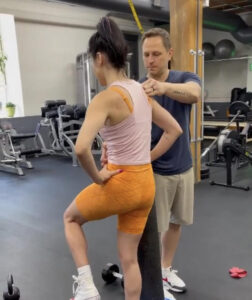
Standard group fitness classes can’t give athletes the individualization they need, and generic bootcamps tend to ignore specific movement deficits and injury histories altogether. Chicago Strength In Motion takes a different approach, starting every client relationship with a posture and form analysis. From there, certified personal trainers craft each workout session around what that athlete actually needs to perform better.
How Does Specialized Training Prevent Athletic Injuries?
Injury prevention starts with a precise movement screening that catches imbalances before they turn into chronic problems. The company’s programs pair functional movement assessments with corrective exercise work, an approach that cuts down on the overuse injuries that plague runners, basketball players, and endurance athletes across Chicago’s competitive leagues.
Local Personal Trainers for Athletes build programming that adapts as training cycles and competition schedules shift, keeping the focus on durability through proper mechanics rather than just chasing fatigue. Train with this kind of precision, and the plateaus and recurring injuries that come with one-size-fits-all approaches tend to fade away.
What Training Model Works Best for Athletic Performance in Chicago
What Training Model Works Best for Athletic Performance?
Athletic performance demands a training model that balances individualized coaching with real intensity. Local Personal Trainers for Athletes at Chicago Strength In Motion deliver that balance through two distinct formats, each built for different competitive goals and schedules.
How does 1-on-1 training benefit competitive athletes?
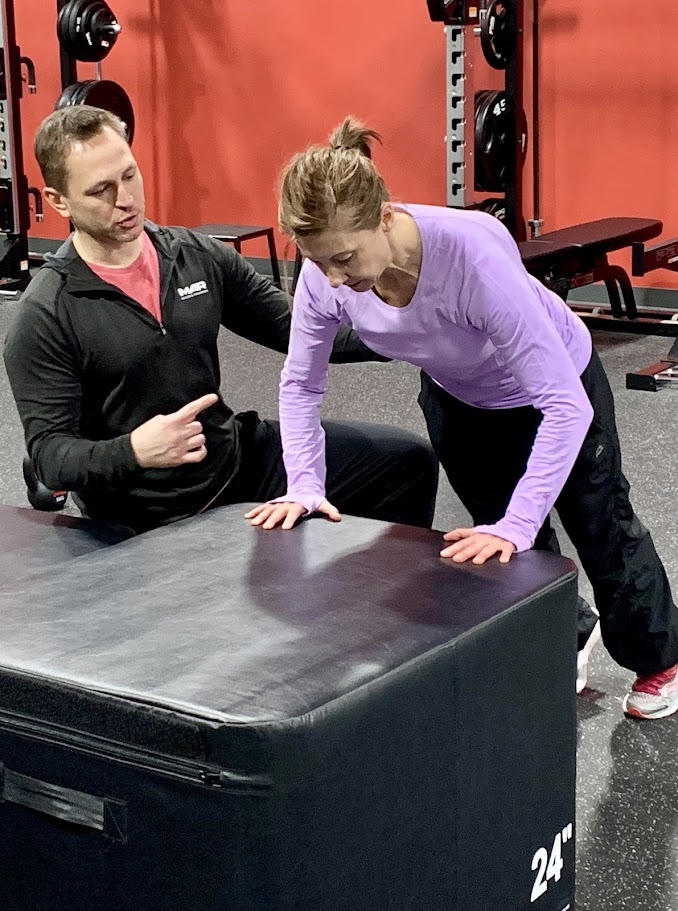
1-on-1 personal training in Chicago means an athlete gets full, undivided attention on their movement patterns and weaknesses. Chicago Strength In Motion offers private 1-on-1 personal training for athletes who want that individualized focus, where every cue, correction, and progression is built around the specific demands of their sport. Runners get gait-specific work, while recreational league players build the rotational power their sport calls for.
Why choose small group training for athletic development?
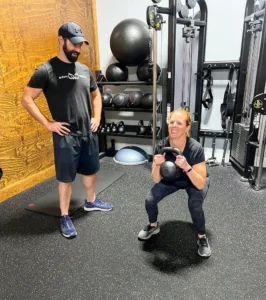
Small group personal training in Chicago delivers a focused, high-energy environment without giving up coaching quality. Sessions stay capped at six or fewer participants, led by Coach Ryan Thomas, so athletes push harder alongside peers while still getting individual form corrections and modifications. It’s a format that suits competitors who thrive on accountability and shared effort.
Training Model | Group Size | Primary Advantage |
|---|---|---|
1-on-1 Private | 1 athlete | Maximum individualization |
Small Group | 6 or fewer | Cost-effective intensity |
Small group personal training runs about half the price of 1-on-1 training while keeping most of the performance benefits intact. Each functional training session lasts roughly 45 minutes to an hour, long enough for efficient, focused work without wasted time. Chicago athletes can pick whichever model fits their budget, schedule, and performance timeline, without giving up expert coaching either way.
How Does Expert Coaching Prevent Injury and Build Durability?
Expert coaching prevents injury by catching movement flaws before they cause real damage. Local Personal Trainers for Athletes at Chicago Strength In Motion run systematic assessments to find the weak links in an athlete’s kinetic chain. Skip that precision, and athletes risk the plateaus and recurring injuries that derail a training cycle. Get it right, and the durability it builds actually lasts.
What credentials matter for injury-prevention coaching?
A trainer’s certifications shape program safety directly. Ryan holds NASM certification, which backs his programming with evidence-based methods, and he’s also a DNS exercise specialist. That dual expertise means developmental kinesiology principles inform his movement correction work, so athletes get protocols grounded in how the nervous system actually controls posture and motion. Organizations like the National Strength and Conditioning Association, the American Council on Exercise, and the American College of Sports Medicine hold athletic coaching to comparable evidence-based standards, the same rigor this approach is built on.
How does programming prevent overuse injuries?
Individualized progression gets at the root causes of burnout instead of just managing around them. Chicago Strength In Motion designs sessions that help athletes avoid plateaus and injury while working through persistent pain, balancing load management with recovery in every program. Nutrition guidance is built into every personal training package too, fueling tissue repair and keeping training output consistent. Athletes who want to go deeper on nutrition fundamentals can check out resources from the Academy of Nutrition and Dietetics or the USDA’s Food and Nutrition Information Center. Online personal training sessions extend this same model to athletes who need more schedule flexibility. Durability is a skill you train for, not something that just happens.
FAQ
What training options does Chicago Strength in Motion offer for athletes?
Chicago Strength in Motion offers private 1-on-1 training and small group training with six or fewer participants, both led by certified personal trainers.
How does Coach Ryan Thomas’s certification support athletic training?
Ryan is a NASM-certified personal trainer and a DNS exercise specialist, ensuring programs focus on functional movement and injury prevention.
Why does athletic training at Chicago Strength in Motion differ from standard workouts?
Certified personal trainers craft each session using functional movement assessments and corrective exercise techniques, targeting sport-specific weaknesses and posture realignment.
Conclusion
Athletes in Chicago looking for a training partner built on precision and durability need a program grounded in systematic assessment and individualized progression, one that addresses the actual root causes of plateaus and injury instead of just treating the symptoms. Whether you choose private 1-on-1 coaching or the focused intensity of a small group, you’ll be training with the same expert-guided methods that build real, lasting strength and mobility. The next step is to schedule an assessment and start training with the evidence-based approach your performance actually demands.