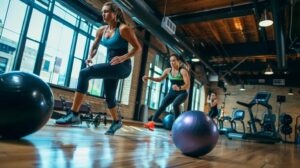
Posture correction workout classes are structured group or individual training sessions that combine corrective exercise, mobility work, and strength integration to reduce pain and restore efficient movement. These classes work by identifying muscular imbalances and movement-pattern faults, then applying targeted mobility drills, activation exercises, and progressive loading to realign the spine and joints for better force transfer and less nociceptive input. Readers will learn how posture-focused programming relieves neck and back pain, improves athletic metrics such as running economy, and translates to more comfortable daily movement at a desk or on the trail.
This article maps the mechanisms behind posture training, explains the exact exercises that target common pain sources, compares available class formats in River North, and sets realistic timelines for measurable improvement. Along the way you’ll find practical cues, short tables that compare service formats and outcomes, and local, non-branded options for scheduling assessments or trial classes in River North.
What Are Posture-Based Workout Classes and How Do They Relieve Pain?
Posture-based workout classes are corrective-exercise programs that blend assessment-driven drills with progressive strength to restore alignment and reduce pain through improved muscular balance. They relieve pain primarily by restoring joint mobility, normalizing tonic and phasic muscle activation, and improving thoracic extension and scapular control so that the cervical and lumbar regions are not overloaded. Recent studies and contemporary clinical practice emphasize mobility-first approaches followed by integrated strengthening to lock in new movement patterns. Below is a quick reference that maps common corrective drills to targeted imbalances and their immediate benefits.
| Exercise/Drill | Targeted Imbalance | Immediate Benefit |
|---|---|---|
| Thoracic extension on foam roller | Thoracic stiffness/kyphosis | Relieves neck strain by improving upper-back mobility |
| Scapular retractions (band) | Scapular winging/weak retractors | Improves shoulder mechanics and reduces neck tension |
| Glute bridges | Weak posterior chain | Restores hip extension and decreases low-back load |
| Dead-bug core patterning | Poor core timing | Enhances intra-abdominal pressure and lumbar stability |
This table links each drill to a pain mechanism and immediate functional gain. Understanding these pairings helps prioritize interventions during a short assessment and informs the next step: exercise progressions that prevent pain recurrence.
Which Corrective Exercises Target Back and Neck Pain?

Corrective exercises focus on joint mobility, neuromuscular activation, and integrated strength to address the root causes of back and neck pain. A practical set includes thoracic mobility drills to reduce compensatory cervical strain, scapular retractions to restore shoulder-blade mechanics, glute-focused patterns to unload the lumbar spine, and core timing drills to stabilize the pelvis and spine during movement.
Progressions move from isolated, low-load activation to loaded compound movements as control improves, and coaching cues emphasize breathing, alignment, and a gradual increase in load. These exercises form a reproducible toolbox that trainers and corrective exercise specialists commonly use to create measurable relief within weeks when performed consistently.
How Do Posture Workouts Prevent Future Musculoskeletal Pain?
Posture workouts prevent future pain by converting short-term mobility gains into durable strength and movement efficiency through progressive retraining and habit changes. The standard roadmap is assessment → corrective mobility → activation → integrated strength → maintenance, which shifts tissues from vulnerable patterns into resilient ones. Ergonomic adjustments and daily habit coaching complement in-class training so that improvements translate into fewer flare-ups at work or during sport. Regular reassessment with objective measures — movement screens and client-reported outcomes — keeps programming specific and reduces the risk of regression.
How Do Posture-Based Classes Improve Athletic and Daily Performance?
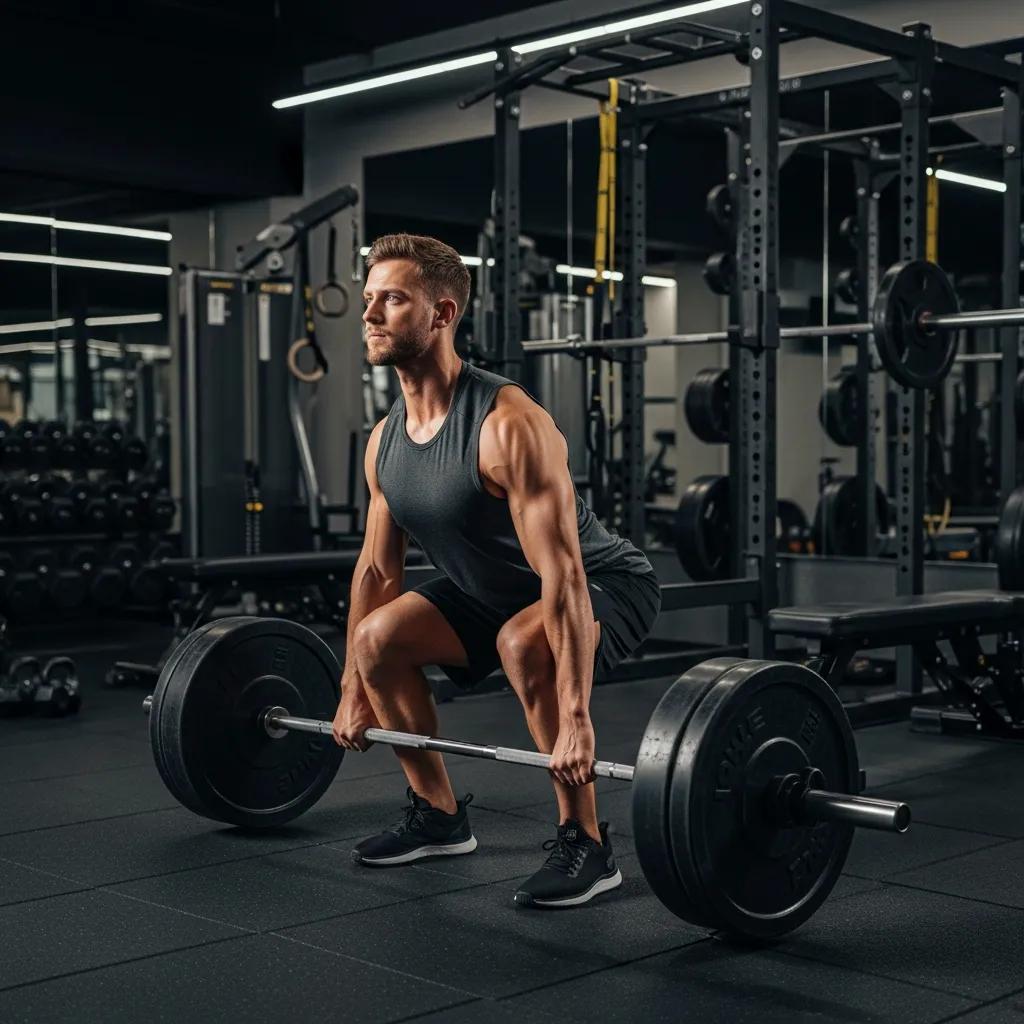
Posture-based classes improve performance by optimizing spinal alignment and muscular sequencing, which enhances force transfer from the ground through the torso to the limbs. Better alignment reduces energy leaks, allowing athletes and everyday movers to produce cleaner, more powerful movement patterns with less compensatory stress.
For example, improving thoracic extension and trunk stiffness can increase squat and deadlift efficiency and improve running posture, which often shows immediate gains in stride consistency and reduced perceived effort. The next section outlines the biomechanical role of spinal alignment and practical coaching cues for training and daily life.
Posture training supports performance in measurable ways: personal training
- Improved force transfer: Neutral spine mechanics reduce energy dissipation during lifts and sprints.
- Better breathing mechanics: Thoracic mobility enables deeper diaphragmatic breathing, improving endurance.
- Reduced fatigue during daily tasks: Efficient posture cuts metabolic cost for prolonged sitting or standing.
These direct performance gains stem from improved mechanics and translate into clearer training adaptations and less time lost to pain.
What Role Does Spinal Alignment Play in Athletic Training?
Spinal alignment serves as the central column for force transmission; maintaining a neutral or appropriately curved spine during dynamic tasks preserves kinetic continuity from the hips to the shoulders. When the thorax is restricted or the pelvis is anteriorly tilted, force pathways change and prime movers are overburdened, raising injury risk and lowering efficiency.
Coaching cues that emphasize chest-up thoracic extension, rib position, and controlled diaphragmatic breathing help athletes maintain alignment under load. Improving spinal mechanics allows targeted strength work to be more effective, which then accelerates sport-specific performance improvements.
How Can Posture Training Enhance Running Form and Desk Ergonomics?
Posture training enhances running form by promoting an upright trunk, balanced arm swing, and optimized cadence, all of which reduce braking forces and improve running economy. For desk ergonomics, posture programs teach micro-break strategies, monitor and chair adjustments, and simple mobility routines to interrupt harmful sustained positions.
Practical tips for runners include cadence cues, hip-drive focus, and thoracic mobility drills; for desk workers, suggestions include monitor height, lumbar support strategies, and scheduled movement breaks. These simple, low-effort changes compound with class-based training to yield sustained improvements in movement comfort and performance.
What Types of Posture Correction Classes Are Available in River North?
River North offers several delivery formats for posture correction work, each aligning with different goals, schedules, and budgets. Common formats include personalized one-on-one training, small-group posture classes that blend corrective coaching with community accountability, and hybrid or virtual options that support continued progress outside the studio. Below is a concise comparison to help choose the best fit.
| Service Type | Who It’s For | Key Benefits/Outcomes |
|---|---|---|
| Personal training | Individuals with complex deficits or athletes | High customization and objective progress tracking |
| Small-group classes | Budget-conscious learners seeking coaching | Community, structured programming, affordable coaching |
| Hybrid/virtual programs | Busy clients needing flexibility | Ongoing support, remote follow-ups, tech-enabled feedback |
How Does Personal Training Customize Posture Programs?
Personal training begins with an in-depth movement screen and posture assessment to identify mobility limits, stability deficits, and movement compensations specific to the individual. Programming then matches corrective drills, activation protocols, and progressive strength work to objective findings and personal performance goals. Sessions typically include education on daily habits, ergonomic tweaks, and measurable targets to track improvement over time. This individualized approach accelerates pain relief and performance gains when compared to generic programs.
What Are the Benefits of Small Group Posture Classes?
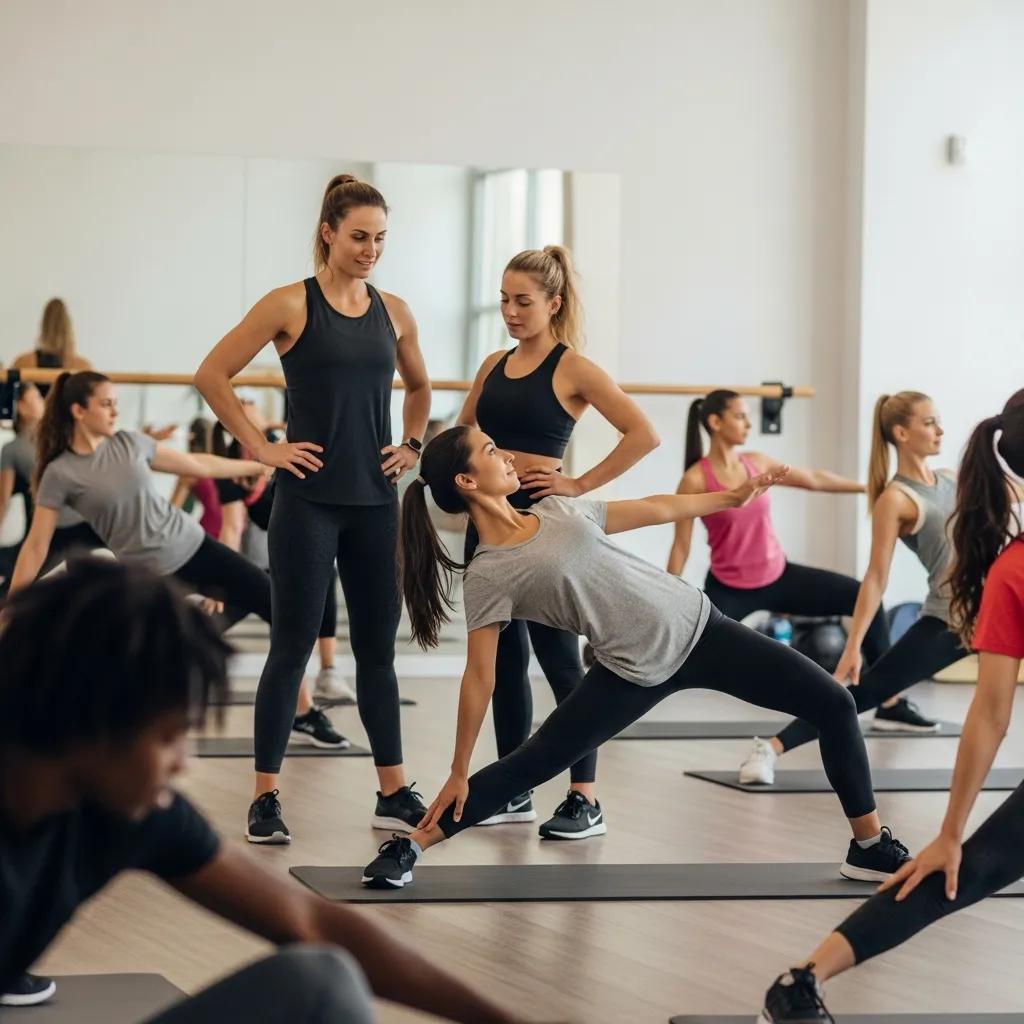
Small-group posture classes deliver corrective coaching in a scalable format that preserves individualized attention while lowering the cost compared to 1:1 training. Classes often run as circuits or station-based formats where coaches cue technique, provide regressions and progressions, and monitor individual form. Participants benefit from community accountability and consistent practice, which supports adherence and long-term change. For many River North residents, small groups hit a strong balance of cost-effectiveness and corrective emphasis.
What Results Can You Expect from Posture-Based Workout Classes?
Posture-based classes produce measurable outcomes across pain reduction, mobility, and performance, typically showing initial changes within weeks and substantive gains over months. Typical timelines include noticeable pain reduction in 4–8 weeks with targeted mobility and activation, mobility gains in 2–6 weeks, and strength/integration improvements over 8–12 weeks with consistent training. The table below links outcome metrics to typical timelines and example interventions, providing realistic expectations for progress.
| Outcome Metric | Typical Timeline | Example Intervention |
|---|---|---|
| Reduced daily neck pain | 4–8 weeks | Thoracic mobility + scapular activation |
| Improved running posture | 4–10 weeks | Trunk stiffness training + cadence work |
| Increased overhead comfort | 6–12 weeks | Thoracic extension + rotator cuff strengthening |
Which Client Success Stories Highlight Pain Relief and Performance Gains?
A few anonymized examples illustrate reproducible outcomes: a recreational runner who reduced IT-band pain and improved cadence after targeted hip-strength and trunk-stability work; a desk worker who reported 70% less daily neck pain following thoracic mobility drills and ergonomic adjustments; and an amateur lifter who regained pain-free squats after integrated posterior-chain strengthening. Each case follows a structured assessment → targeted corrective phase → reintegration into strength and sport-specific training pattern. These templates show how consistent, assessment-driven posture work delivers both pain relief and measurable performance benefits.
What Does a Typical Posture-Focused Class Include?
A typical 60-minute posture-focused class sequences a mobility-rich warm-up, a corrective activation block, integrated strength or movement drills, and a short cool-down with ergonomic coaching. For example, the session may begin with 10–12 minutes of dynamic thoracic and hip mobility, followed by 15 minutes of targeted activation (glute bridges, banded scapular work), 25 minutes of integrated strength or circuit work, and a 5–10 minute cool-down with breathing and posture cues.
Coaches emphasize quality movement and do small-group training or individual regressions as needed. This structure ensures each class both relieves current pain drivers and builds durable movement efficiency for long-term performance gains.
Frequently Asked Questions
1. How often should I attend posture correction classes for optimal results?
For optimal results, attending posture correction classes 2 to 3 times per week is recommended. This frequency allows for consistent practice of corrective exercises, which helps reinforce new movement patterns and improve muscular balance. Additionally, regular attendance enables trainers to monitor progress and make necessary adjustments to your program. However, individual needs may vary based on personal goals, existing conditions, and overall fitness levels, so it’s essential to consult with your trainer for a tailored approach.
2. Can posture correction classes benefit individuals with chronic pain conditions?
Yes, posture correction classes can significantly benefit individuals with chronic pain conditions. These classes focus on identifying and addressing muscular imbalances and movement faults that often contribute to chronic pain. By incorporating targeted mobility drills and strength training, participants can experience reduced pain levels, improved function, and enhanced quality of life. However, it’s crucial for individuals with chronic pain to consult with a healthcare professional before starting any new exercise program to ensure safety and appropriateness.
3. What should I wear to a posture correction class?
Wearing comfortable, breathable clothing that allows for a full range of motion is essential for posture correction classes. Opt for athletic wear, such as moisture-wicking tops and flexible bottoms, to ensure you can perform exercises without restriction. Supportive footwear is also important, as it provides stability during various movements. Avoid overly loose clothing that may hinder your ability to see your body alignment and movement patterns, as visual feedback is crucial for effective posture correction.
4. Are posture correction classes suitable for beginners?
Absolutely! Posture correction classes are designed to accommodate all fitness levels, including beginners. Instructors typically provide modifications and progressions to ensure that everyone can participate safely and effectively. Beginners will benefit from the foundational knowledge of body mechanics and movement patterns, which can help prevent injuries and improve overall fitness. It’s important to communicate your experience level with the instructor so they can tailor the class to meet your needs.
5. How can I maintain the benefits of posture correction after classes?
To maintain the benefits of posture correction classes, it’s essential to incorporate the learned exercises and principles into your daily routine. This can include practicing mobility drills, maintaining ergonomic setups at work, and being mindful of posture during daily activities. Additionally, scheduling regular follow-up sessions or assessments can help reinforce good habits and address any emerging issues. Staying active and engaging in complementary activities, such as yoga or strength training, can also support long-term posture health.
6. What types of assessments are conducted before starting posture correction classes?
Before starting posture correction classes, a comprehensive assessment is typically conducted to evaluate your movement patterns, flexibility, strength, and any existing pain or discomfort. This may include a movement screen, postural analysis, and discussions about your fitness history and goals. The information gathered during this assessment helps trainers design a personalized program that targets your specific needs and ensures safe and effective progress throughout the classes.
7. Can posture correction classes help with sports performance?
Yes, posture correction classes can significantly enhance sports performance by improving alignment, strength, and movement efficiency. By addressing muscular imbalances and optimizing biomechanics, athletes can experience better force transfer, reduced injury risk, and improved endurance. Specific drills targeting posture can lead to enhanced performance in various sports, such as running, weightlifting, and team sports. Incorporating posture training into an athlete’s regimen can yield measurable improvements in their overall performance and comfort during activities.
Conclusion
Posture correction workout classes offer significant benefits, including pain relief, improved mobility, and enhanced athletic performance. By addressing muscular imbalances and optimizing movement patterns, participants can experience lasting changes in their daily activities and sports performance. To start your journey towards better posture and overall well-being, consider joining a class that fits your needs. Explore the various options available in River North today.