
Strength-based workout classes in River North focus on progressive resistance, movement quality, and functional patterns to reduce injury risk while improving daily performance. This article explains how targeted strength training supports joint stability, balances muscle imbalances, and improves proprioception so River North residents can train safely and sustainably. You will learn the primary physiological mechanisms at work, which common injuries are most preventable with strength work, how class design and trainer oversight reduce risk, and practical steps to begin a safe program in River North. Practical examples, corrective-exercise integrations, and local booking guidance are included so readers can move from understanding to action. Throughout, keywords like strength training River North, corrective exercise River North, and small group strength classes River North are used to align local intent with evidence-based practice. Recent research shows that structured, progressive strength work paired with movement screening meaningfully lowers acute and overuse injury rates when delivered by qualified coaches.
What Are the Key Benefits of Strength Training for Injury Prevention?
Strength training prevents injury by increasing the capacity of muscles, tendons, and connective tissue to absorb load, improving joint stability, and enhancing neuromuscular control for safer movement. Strength work also corrects muscular imbalances that place asymmetric stress on joints, reducing common mechanical causes of pain. Below is a concise list of the primary benefits and a short explanation of each so you can quickly see how they translate to fewer injuries.
Strength training provides several injury-prevention benefits:
- Improved Joint Stability: Strong surrounding muscles protect joints from excessive translation and shear forces.
- Better Movement Control: Neuromuscular adaptations reduce faulty movement patterns that cause acute injury.
- Muscle Balance and Symmetry: Targeted programming addresses weak links that create compensatory loading.
These benefits work together: increased tissue capacity and improved movement control allow progressive overload without increasing injury risk, which leads us to specific mechanisms for protecting joints and tissues.
| Benefit | Mechanism | Practical Outcome |
|---|---|---|
| Joint stability | Increased co-contraction and tendon capacity | Reduced joint strain under load |
| Proprioception | Enhanced neuromuscular control | Fewer missteps and awkward forces |
| Muscle balance | Corrective strengthening of weak muscles | Even load distribution across joints |
This table highlights how abstract benefits map to concrete physiological mechanisms and day-to-day outcomes for active River North residents.
How Does Functional Strength Training Protect Your Joints?
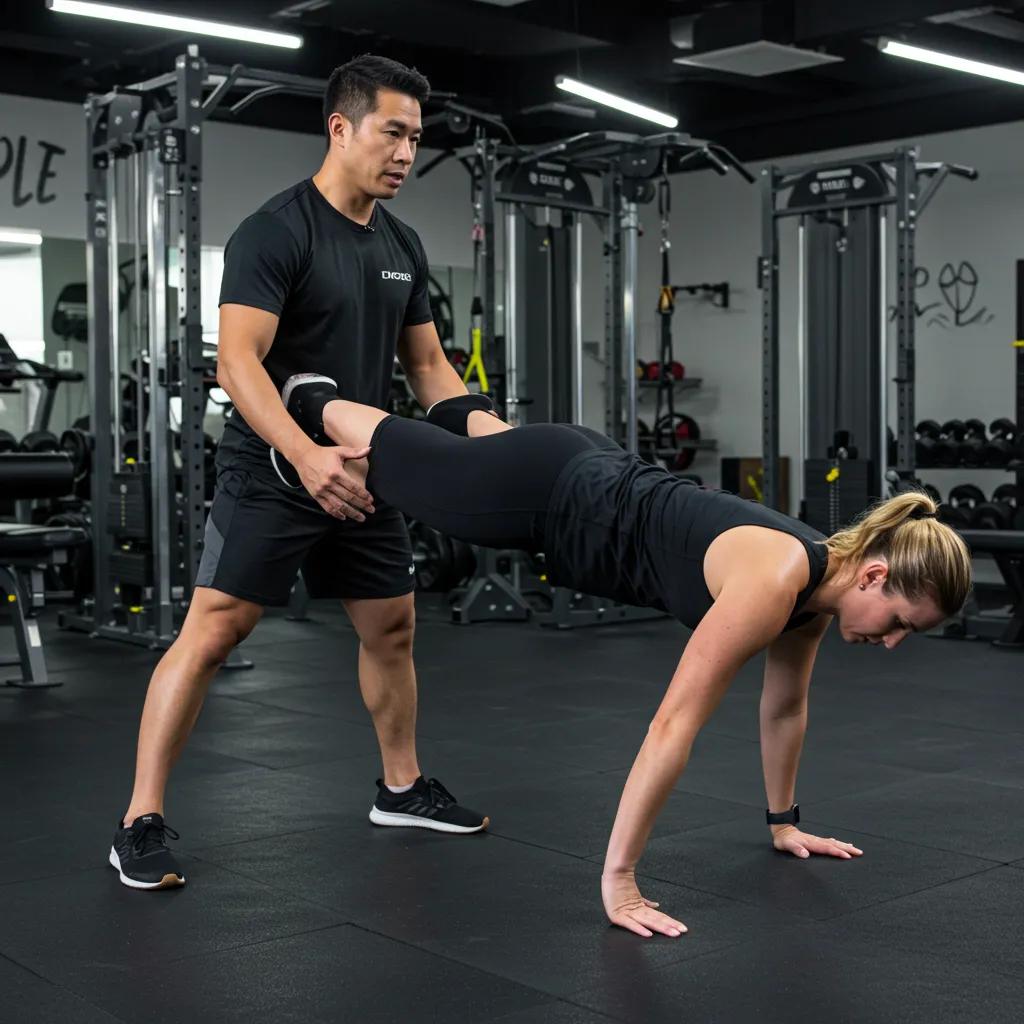
Functional strength training protects joints by training movement patterns that replicate daily and sports demands, promoting coordinated muscle activation and joint-safe mechanics. Exercises like controlled squats, hip hinges, and loaded carries teach the body to distribute load through hips and core rather than overloading a single joint. Progressions emphasize technique first, then resistance, so tendons and ligaments adapt without sudden overstress. Practically, learning hip-hinge patterns reduces lumbar shear on lifting tasks, while squat pattern reinforcement improves knee tracking and reduces patellofemoral stress. Transitioning from isolated strength to integrated movement reduces injury transfer from training to everyday tasks.
Which Common Injuries Can Strength Workouts Help Prevent?
Targeted strength training can lower the incidence of knee pain, low-back pain, and shoulder injuries by addressing the typical muscular and motor-control causes of each condition. Below is a compact EAV table mapping injury to mechanism and a simple exercise prescription to start addressing the root causes.
Intro: The table below connects common complaints to the strength-based mechanisms that mitigate them and provides short example progressions you can use in classes or personal training sessions.
| Injury | Strength-based Mechanism | Example Exercises/Progressions |
|---|---|---|
| Knee pain (patellofemoral) | Strengthen hips and quads to improve tracking | Glute bridges → banded squats → goblet squats |
| Low-back pain | Improve hip hinge and core stability to offload spine | Dead-stop Romanian deadlifts → anti-extension planks → kettlebell swings |
| Shoulder impingement | Strengthen rotator cuff and scapular stabilizers | External rotation → banded rows → prone T/Y raises |
Summary: These focused progressions emphasize technique and gradual load increases to restore balanced movement and resilience, reducing recurrence risk when applied consistently in small-group training or personal training settings.
Functional Strengthening Exercises for Overuse Knee Pain Prevention
The program that we tested incorporated CKC functional strengthening exercises. These exercises are designed to improve neuromuscular control and strength, which are essential for preventing overuse injuries, particularly in the knee.
The effects of exercise for the prevention of overuse anterior knee pain: a randomized controlled trial, RJ Coppack, 2011
How Do Strength-Based Workout Classes in River North Ensure Safe and Effective Training?
Well-designed classes combine movement screening, certified coach oversight, sensible progressions, and programming that emphasizes regressions and load management to keep participants safe. Initial screens identify mobility limitations and asymmetries so coaches can prescribe regressions or accessory work before heavy loading. Classes that follow progressive overload principles increase load only when technique criteria are met, which minimizes overuse injuries. Below is a list of typical class design features that directly contribute to safer training environments.
Typical class safety elements include:
- Movement Screening: Early assessment identifies risk factors and informs modifications.
- Certified Trainer Cueing: Coaches provide technical feedback and hands-on corrections.
- Progressive Programming: Loads increase based on capacity, not on arbitrary schedules.
These design elements create an environment where individuals can progress without excessive risk, and the next table clarifies how each class element links to injury prevention benefits.
Intro to table: The following table summarizes class elements, the trainer’s role, and the direct safety benefit for participants.
| Class Element | Trainer Role / Safety Measure | Benefit to Injury Prevention |
|---|---|---|
| Movement screen | Identify asymmetries and restrictions | Early mitigation of injury risk |
| Technique drills | Provide regressions and hands-on cueing | Ensures safe loading patterns |
| Load management | Monitor fatigue and progression | Prevents overuse and acute overload |
Summary: Combined, these measures reduce the likelihood of both acute injuries and chronic overuse by aligning load with each participant’s current capacity.
Injury Prevention in Strength-Based Fitness Programs
The prevention of injuries during strength-based RT programs has been clinically addressed at length in the sports field and less from the perspective of fitness in general. However, understanding exercise selection and its relation to common injuries is crucial for promoting safety in fitness centers.
Exercise selection and common injuries in fitness centers: a systematic integrative review and practical recommendations, DA Bonilla, 2022
What Role Do Certified Personal Trainers Play in Injury Avoidance?
Certified personal trainers perform movement assessments, design progressive plans, and deliver real-time corrections that prevent risky patterns from becoming entrenched. Trainers with education in corrective exercise principles apply regressions, mobility prep, and accessory strengthening to address deficits identified in screens. They also modulate volume and intensity to avoid sudden spikes that commonly cause overuse injuries. By combining assessment-driven programming with consistent coaching cues, trainers translate exercise science into safe practice for individuals across experience levels. This role bridges the gap between theoretical program design and practical, injury-aware execution.
How Do Small Group Classes Promote Proper Form and Safety?
Small group formats maintain low coach-to-client ratios that allow individualized feedback, scaled regressions, and peer accountability—factors that improve adherence and reduce unsafe practice. Coaches can rotate attention to observe form and offer quick corrections, and participants benefit from programmed progressions tailored to a range of abilities. Community expectations around technique often promote safer habits than unsupervised training, and the shared learning environment makes it easier to hold members to consistent standards. In short, small groups combine efficiency with safety, making them an effective model for small group training in River North.
What Makes Strength Training Programs in River North Unique for Injury Prevention?
River North programs often emphasize functional strength, corrective exercise integration, and convenient scheduling for urban lifestyles, creating practical advantages for local participants seeking injury-resistant fitness. Local classes tend to offer small-group formats, targeted workshops on mobility and corrective techniques, and trainers familiar with urban activity patterns like commuting and occupational loading. These local features make it easier for River North residents to commit to consistent, progressive training that aligns with their daily movement demands. The following list highlights distinguishing program attributes commonly found in strong local offerings.
Common local differentiators include:
- Hyper-local scheduling that fits urban routines and supports consistency.
- Corrective exercise integration embedded in warm-ups and accessory work.
- Emphasis on certified staff and measurable progress tracking for accountable progression.
These attributes help translate program design into tangible injury-prevention outcomes for River North clients.
As a practical note for local readers: many River North class formats integrate movement screens, corrective mini-sets, and coach-led progressions during regularly scheduled sessions, and trainers often reference recognized certifications when describing their approach. If you later provide specific business details, this section can be replaced with a short local offering highlight and a direct call to action.
How Are Corrective Exercises Integrated into Our Classes?
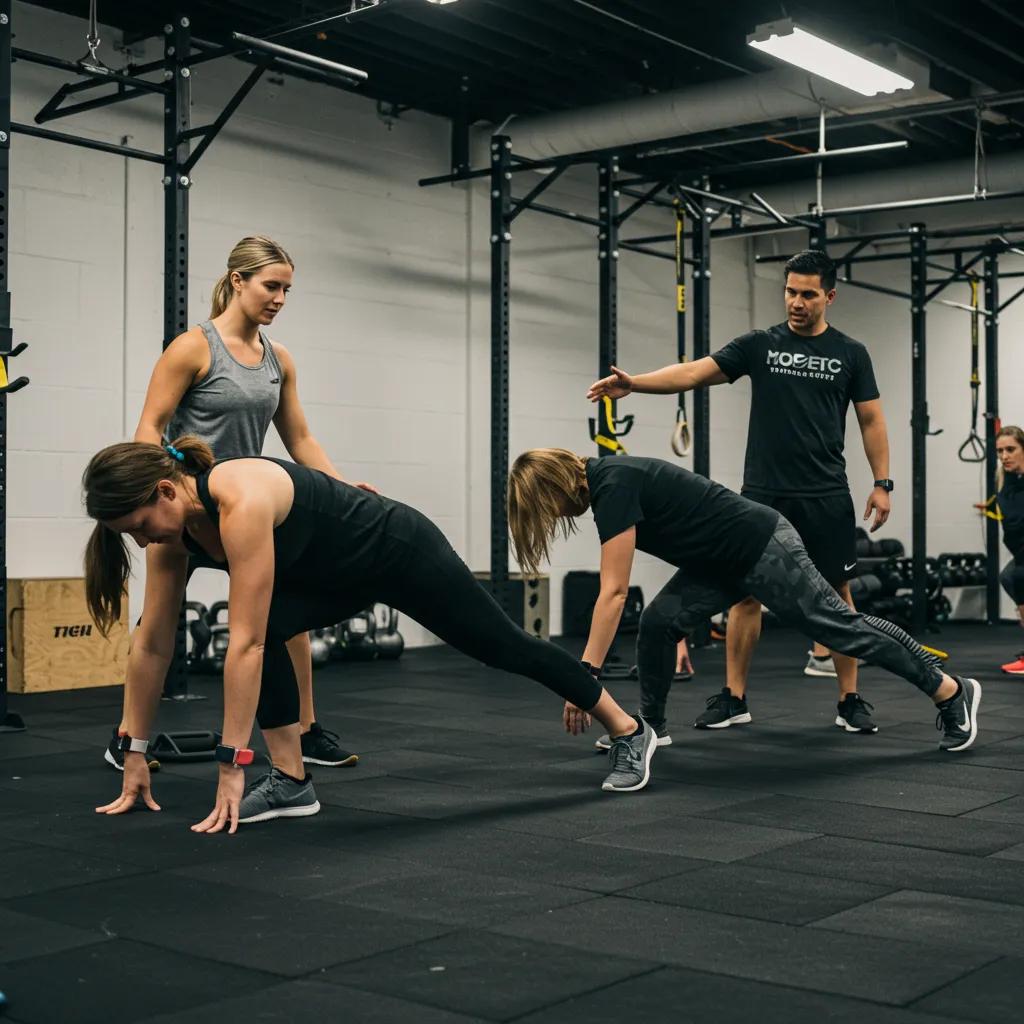
Corrective exercises typically appear as part of a structured class warm-up, a targeted mini-set between main lifts, and periodic technique workshops that reinforce movement literacy. A common weekly pattern might include mobility and breathing drills, a short corrective superset addressing common deficits, and then the primary strength work that builds capacity. Coaches prescribe regressions—lighter loads, reduced range, or isometric holds—until technique criteria are met before progressing intensity. This layered approach ensures corrective work supports rather than interrupts strength progress, creating sustainable improvements in movement quality and injury resilience.
Strength Training for Ankle Stability and Joint Position Sense
To examine the effects of ankle-strengthening exercises on joint position sense and strength development in subjects with functionally unstable ankles. Subjects were randomly assigned to a training or control group. The training group participated in a 6-week strength-training protocol using rubber tubing 3 times a week throughout the training period.
Effects of strength training on strength development and joint position sense in functionally unstable ankles, CL Docherty, 1998
Why Is Personalized Training Important for Injury-Free Fitness?
Personalization adjusts load, volume, and exercise selection to an individual’s physical history, current capacity, and goals, reducing the risk inherent in one-size-fits-all programs. Tailored plans address prior injuries and movement limitations through phased progressions, ensuring that stimulus is therapeutic rather than damaging. For example, someone with prior shoulder irritation may begin with rotator-cuff and scapular stabilization before heavy pressing, preventing recurrence. Personalization also allows for objective checkpoints and adaptations, maintaining steady progress while minimizing setbacks caused by inappropriate loading.
How Can You Start Strength Training Safely in River North to Prevent Injuries?
Starting safely begins with an initial movement screen, clear goal-setting, and joining a beginner-focused class or a short series of coached sessions that prioritize technique over load. Expect an assessment, mobility prep, technique drills, and scaled strength sets in early sessions that build confidence and capacity. Below are practical, step-by-step starter actions to help you begin with minimal risk and measurable progress.
Follow these steps to start safely:
- Schedule a movement screen or beginner session to identify limitations and goals.
- Join a technique-first beginner class that prioritizes regressions and coaching.
- Track progress and ask for periodic re-assessments to adjust load and exercises.
These steps guide a safe entry into strength training; if you want to try classes, ask about movement screens, coach credentials, and trial options when contacting local providers. If booking details are needed, use local listings or studio contact forms and request a trial or consultation; placeholder booking text can be replaced with specific links or phone numbers if provided later.
What Should You Expect in a Beginner-Friendly Injury Prevention Class?
A beginner class typically starts with a brief movement screen and warm-up focused on mobility and breathing, followed by technique-driven instruction on 1–2 foundational lifts with regressions as needed. Coaches emphasize slow, deliberate repetitions to ingrain safe movement patterns before adding load and include a cooldown with homework drills for continued improvement. Participants should expect clear cues, accessible progressions, and measurable benchmarks to guide safe advancement. This structure creates a predictable path from assessment to resilience-building work.
Where Can You Book a Trial or Consultation for Strength Classes in River North?
To book a trial or consultation locally, search River North studio listings, inquire about beginner packages and movement screens, and ask whether small-group classes include coach-led regressions and corrective elements. When contacting studios, use wording that requests a beginner trial, a movement screen, and information on class sizes and trainer qualifications. If you need a direct booking link or phone contact, replace this placeholder guidance with specific business contact details when they become available. Following these steps will help you find a local strength program that prioritizes safety and long-term injury prevention.
Frequently Asked Questions
What is the importance of movement screening in strength training?
Movement screening is crucial in strength training as it helps identify individual limitations and asymmetries before starting a workout program. By assessing mobility and functional movement patterns, trainers can tailor exercises to meet specific needs, ensuring that participants engage in safe and effective training. This proactive approach minimizes the risk of injury by allowing for appropriate modifications and regressions, ultimately leading to better performance and injury prevention over time.
How can beginners ensure they are performing exercises correctly?
Beginners can ensure correct exercise performance by participating in classes led by certified trainers who provide real-time feedback and corrections. It’s essential to focus on technique over load, starting with lighter weights and mastering the movement patterns first. Additionally, asking questions, seeking clarification on form, and utilizing mirrors or video recordings for self-assessment can further enhance understanding and execution of exercises, promoting safety and effectiveness in training.
What types of exercises are typically included in a strength training program for injury prevention?
A strength training program focused on injury prevention typically includes functional exercises that mimic daily activities, such as squats, lunges, deadlifts, and core stabilization movements. These exercises are designed to improve joint stability, enhance muscle balance, and promote proper movement patterns. Additionally, corrective exercises targeting specific weaknesses or imbalances may be integrated to address individual needs, ensuring a comprehensive approach to building strength while minimizing injury risk.
How often should one participate in strength training classes for optimal injury prevention?
For optimal injury prevention, participating in strength training classes 2 to 3 times per week is generally recommended. This frequency allows for adequate recovery while promoting consistent strength gains and improved movement quality. It’s essential to listen to your body and adjust the frequency based on individual recovery needs and training intensity. Incorporating rest days and cross-training activities can also enhance overall fitness and reduce the risk of overuse injuries.
What should you do if you experience pain during a strength training session?
If you experience pain during a strength training session, it’s crucial to stop the activity immediately and assess the situation. Pain can be a sign of improper form, excessive load, or an underlying injury. Communicate with your trainer about the discomfort, as they can provide modifications or alternative exercises. If the pain persists, consider consulting a healthcare professional for a thorough evaluation to prevent further injury and ensure a safe return to training.
Can strength training be beneficial for older adults in preventing injuries?
Yes, strength training can be highly beneficial for older adults in preventing injuries. It helps improve muscle mass, bone density, and balance, which are critical factors in reducing the risk of falls and fractures. Tailored strength programs that focus on functional movements can enhance overall mobility and stability, allowing older adults to maintain independence and engage in daily activities safely. It’s essential for older individuals to work with qualified trainers who can design appropriate programs based on their unique needs and capabilities.
Conclusion
Strength-based workout classes in River North offer a unique approach to injury prevention by enhancing joint stability, improving movement control, and correcting muscle imbalances. These benefits not only promote safer training but also empower participants to engage in their daily activities with confidence and resilience. To start your journey towards safer strength training, consider joining a local class that prioritizes technique and personalized coaching. Explore our offerings today and take the first step towards a stronger, injury-free future.