
Choosing the right training style can significantly impact your fitness journey. With various options available, understanding the differences between small group training and one-on-one personal training is essential for making an informed decision. This article will explore the benefits of each training style, helping you determine which approach aligns best with your fitness goals. Many individuals struggle to find the right balance between personalized attention and the motivation that comes from a group setting.
By examining the advantages and costs associated with both training styles, you can make a choice that supports your unique needs. We will cover the key benefits of small group training, the advantages of one-on-one personal training, a cost comparison, and guidance on selecting the best option for your fitness journey.
What Are the Key Benefits of Small Group Training?

Small group training offers a unique blend of personalized attention and community support, making it an attractive option for many fitness enthusiasts. This training style typically involves small groups of participants working together under the guidance of a trainer, fostering a sense of camaraderie and motivation.
- Personalized Attention: Trainers can provide tailored feedback and adjustments to ensure proper form and technique, enhancing the effectiveness of workouts.
- Motivation and Camaraderie: The group dynamic encourages participants to push each other, creating a supportive environment that can lead to improved performance.
- Cost-Effectiveness: Small group training is generally more affordable than one-on-one sessions, with costs ranging from $30 to $60 per session, making it accessible for a wider audience.
Research further supports the financial advantages of group exercise programs compared to individual training.
Cost-Effectiveness of Group vs. Individual Exercise Training
The objective of this study was to assess the cost-effectiveness of an exercise programme that provided group or individual training to reduce the fall risk in healthy community-dwelling people aged 65 years and older.
Cost-effectiveness of an exercise programme that provided group or individual training to reduce the fall risk in healthy community-dwelling people aged 65 …, T Moreno-Casbas, 2021
These benefits make small group training an appealing choice for those looking to combine social interaction with effective fitness coaching.
What Advantages Does 1-on-1 Personal Training Offer?
One-on-one personal training provides a highly individualized approach to fitness, allowing for a tailored experience that addresses specific goals and needs. This training style is ideal for individuals seeking focused attention and comprehensive support.
- Fully Personalized Coaching: Trainers can design customized workout plans that align with your unique fitness goals, ensuring that every session is relevant and effective.
- Focused Attention on Form and Technique: With undivided attention, trainers can closely monitor your movements, helping to prevent injuries and optimize performance.
- Comprehensive Support Including Nutrition: Personal trainers often provide guidance on nutrition and lifestyle changes, offering a holistic approach to health and fitness.
Beyond injury prevention, studies indicate that incorporating motivational coaching strategies into personalized fitness programs can significantly enhance participants’ intrinsic motivation.
Motivational Coaching in Personalized Fitness Programs
The purpose of this study was to measure intrinsic motivation following the implementation of motivational coaching strategies in a semester long personalized adult fitness program. Sixty individuals (40 female/ 20 male, age= 48 ± 15 yrs) participated as clients in an undergraduate exercise training program led by student trainers at Taylor University. The program took place during two consecutive semesters, therefore subject participation ranged from one to two semesters. In addition to personalized exercise prescription, student trainers implemented motivational strategies using a motivational coaching guide aimed at increasing individuals’ overall intrinsic motivation.
Motivational coaching improves intrinsic motivation in adult fitness program participants, 2020
The cost of one-on-one personal training sessions typically ranges from $50 to $120, reflecting the high level of individualized attention and expertise provided.
How Do Costs Compare Between Group Fitness and Personal Training?
When considering the financial aspect of training options, it’s essential to evaluate the costs associated with small group training versus one-on-one personal training.
- Cost Differences: Small group training is generally 40-70% more affordable than private sessions, making it a budget-friendly option for many.
- Value Analysis: While one-on-one training offers personalized attention, small group sessions provide a balance of affordability and community support.
- Factors Influencing Pricing: The cost of training can vary based on location, trainer experience, and session length, so it’s important to consider these factors when making a decision.
Understanding these cost dynamics can help you choose a training style that fits your budget while still meeting your fitness needs.
Which Training Style Best Matches Your Fitness Goals?
Determining the right training style for your fitness goals involves considering personal preferences, desired outcomes, and the type of environment that motivates you.
- Consideration of Personal Preferences: If you thrive in social settings and enjoy the energy of a group, small group training may be the best fit. Conversely, if you prefer individualized attention and a tailored approach, one-on-one training could be more suitable.
- Alignment with Fitness Goals: Assess your specific fitness objectives. For example, if you’re training for a competition or have specific rehabilitation needs, personal training may provide the focused support you require.
- Social Motivation Factors: The camaraderie found in small group training can enhance motivation and accountability, making it an excellent choice for those who benefit from peer support.
By reflecting on these factors, you can better align your training style with your fitness aspirations.
How to Choose Between Small Group Training and 1-on-1 Personal Training?
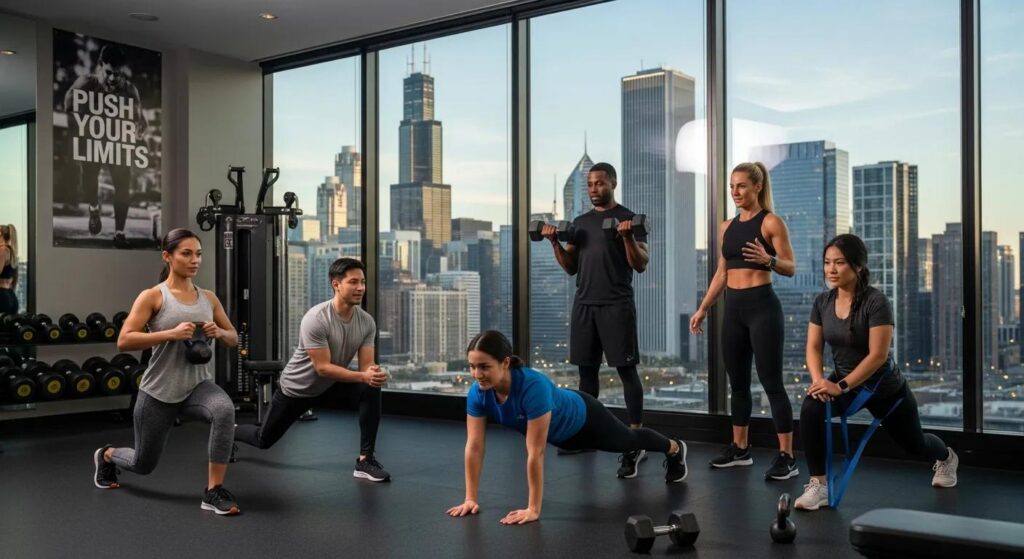
Making a decision between small group training and one-on-one personal training requires careful consideration of several key factors.
- Personalization vs. Community: Evaluate whether you prioritize personalized coaching or the motivation that comes from a group environment.
- Cost Considerations: Consider your budget and how much you are willing to invest in your fitness journey.
- Skill Level and Training Environment: Reflect on your current fitness level and whether you feel more comfortable in a group setting or prefer the focused attention of a personal trainer.
By weighing these factors, you can make an informed choice that aligns with your fitness goals and preferences.
| Training Style | Key Benefits | Typical Cost per Session |
|---|---|---|
| Small Group Training | Personalized attention, motivation, cost-effective | $30 – $60 |
| 1-on-1 Personal Training | Fully personalized coaching, focused attention, comprehensive support | $50 – $120 |
This comparison highlights the distinct advantages of each training style, helping you to evaluate which option may be the best fit for your fitness journey.
Frequently Asked Questions
What should I consider when selecting a trainer for personal training?
When choosing a personal trainer, consider their qualifications, experience, and specialization. Look for certifications from reputable organizations, as well as experience in training clients with similar goals or needs. It’s also important to assess their communication style and personality to ensure a good fit. Many trainers offer introductory sessions, which can help you gauge their approach and compatibility. Additionally, check reviews or testimonials from previous clients to gain insight into their effectiveness and professionalism.
Can I switch between small group training and personal training?
Yes, many fitness enthusiasts choose to switch between small group training and personal training based on their evolving needs and goals. This flexibility allows you to benefit from the personalized attention of one-on-one sessions while also enjoying the motivation and camaraderie of group workouts. It’s advisable to communicate with your trainer about your preferences and goals, as they can help you create a balanced training plan that incorporates both styles effectively.
How can I track my progress in either training style?
Tracking progress in both small group and personal training can be done through various methods. Keep a workout journal to log exercises, weights, and repetitions, which helps you visualize improvements over time. Many trainers also use fitness assessments, such as body composition measurements or performance tests, to evaluate progress. Additionally, setting specific, measurable goals can provide motivation and a clear benchmark for success. Regular check-ins with your trainer can also help adjust your program as needed.
Are there any specific fitness levels suited for small group training?
Small group training can accommodate a wide range of fitness levels, from beginners to advanced athletes. Trainers typically design workouts that can be modified to suit individual capabilities, ensuring that everyone can participate safely and effectively. However, it’s essential to communicate your fitness level and any limitations to the trainer beforehand. This way, they can tailor the session to meet the needs of all participants while maintaining a challenging yet supportive environment.
What types of workouts are typically included in small group training?
Small group training often includes a variety of workouts designed to enhance strength, endurance, flexibility, and overall fitness. Common formats include circuit training, high-intensity interval training (HIIT), functional training, and even specialized classes like yoga or Pilates. The diversity of workouts keeps sessions engaging and allows participants to develop different fitness skills. Trainers may also incorporate equipment such as weights, resistance bands, and stability balls to add variety and challenge to the workouts.
How do I maintain motivation in a small group training setting?
Maintaining motivation in small group training can be achieved through several strategies. First, build relationships with fellow participants to create a supportive community that encourages accountability. Setting personal goals and sharing them with the group can also foster motivation. Additionally, participating in challenges or friendly competitions within the group can enhance engagement. Lastly, regularly communicating with your trainer about your progress and any challenges can help keep you focused and motivated throughout your fitness journey.
Conclusion
Choosing the right training style can greatly enhance your fitness journey by aligning with your personal goals and preferences. Whether you opt for the community support of small group training or the individualized focus of one-on-one sessions, both approaches offer unique benefits that can lead to improved performance and motivation. Understanding these options empowers you to make an informed decision that suits your needs. Start your fitness journey today by exploring our training programs and finding the perfect fit for you.