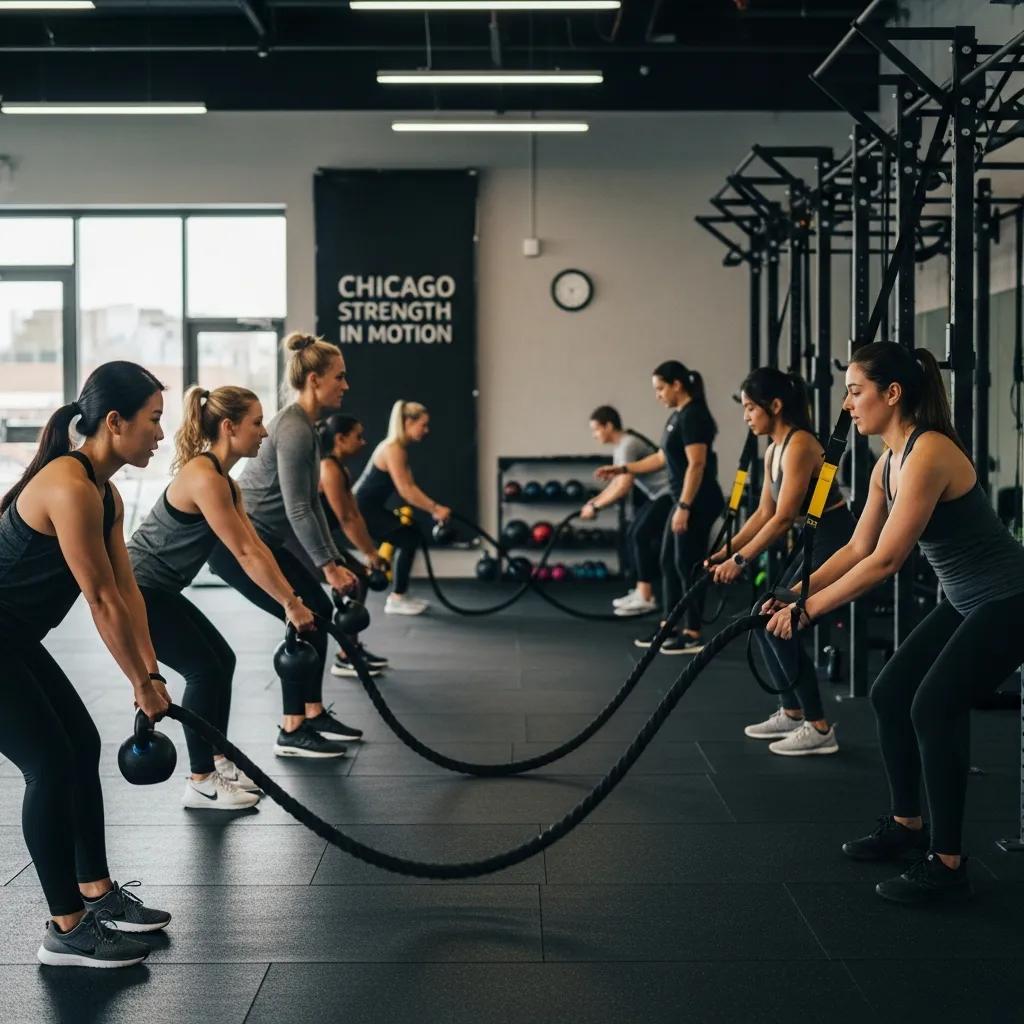
Chicago Strength in Motion reframes what workout classes can deliver by blending personalized training, functional movement, and a community-driven small-group model to produce real-life fitness improvements. This article explains how that combination works in River North, why it matters for mobility and injury prevention, and how structure and coaching create sustainable results. Many people attend classes and leave without lasting progress because programs are generic and lack measurable progression, whereas personalized and functional approaches prioritize movement quality and individual goals. Below we map the studio’s methodology, how personal training produces tailored outcomes, why small groups amplify adherence and daily-life strength, and how the studio ties into the River North community. Readers will get practical comparisons, clear benefits for common goals like mobility and resilience, and straightforward next steps to engage with classes or book an assessment. Throughout, we use terms like personal training in River North Chicago, functional training River North Chicago, and small group training River North to keep the guidance locally focused and actionable.
What Makes Chicago Strength in Motion Unique Among River North Fitness Studios?
Chicago Strength in Motion stands out by prioritizing individualized program design within a boutique, community-focused setting, using functional resistance training to translate strength into everyday movement. That approach works because assessments inform progressive programming, coaches provide consistent feedback, and small groups maintain accountability while preserving individualized adjustments. Compared with conventional gym classes that often follow one-size-fits-all formats, this model centers on measurable improvements in mobility, strength, and pain reduction. The result is practical fitness that helps clients move better in daily life rather than only perform well in isolated exercises.
Chicago Strength in Motion’s core advantages include the following value propositions:
- Personalized approach that adapts programming to each client’s movement baseline.
- Functional training emphasis that improves daily mobility and joint stability.
- Supportive River North community fostering accountability and adherence.
- Experienced coaches who focus on progressions and technique.
These differentiators contrast with traditional larger-facility classes by delivering targeted progress rather than generic workload, which leads naturally into how personalization actually happens in classes and training sessions.
How Does Chicago Strength in Motion Personalize Workout Classes?
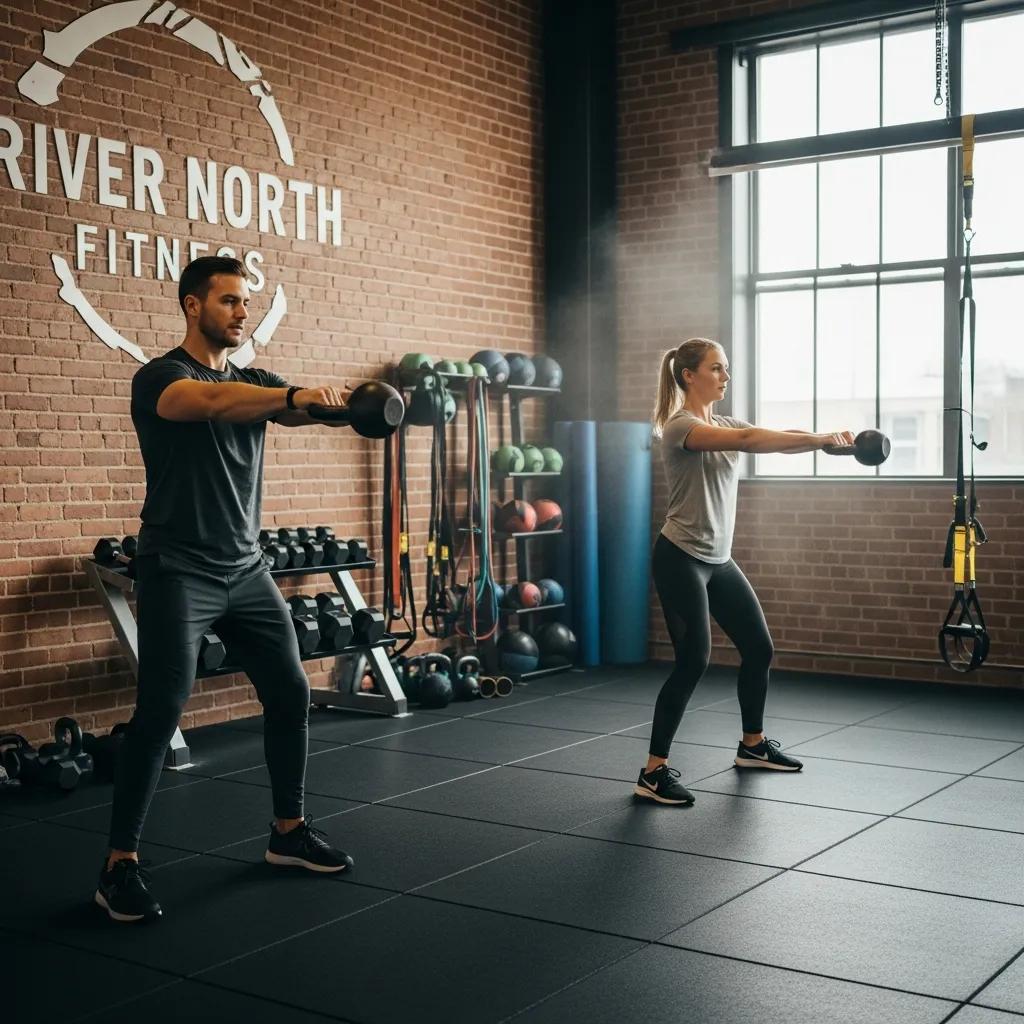
Personalization begins with an initial movement and goal assessment that identifies mobility limits, strength imbalances, and client objectives, and it continues through tailored program design and ongoing adjustments. Coaches translate that assessment into specific progressions, exercise selections, and load prescriptions that match a client’s capacity and schedule. Regular check-ins and performance tracking ensure programming evolves as the client improves, preventing plateaus and reducing injury risk. An example scenario: a client with limited shoulder mobility receives targeted activation and regression work before scaled resistance progressions, producing safer strength gains and improved daily motion.
This assessment-to-progression loop supports better outcomes than static class plans because it builds individual benchmarks and clearly defined next steps, which prepares readers to understand the mechanics of coach-led personalization.
What Role Does Community Play in Chicago Strength in Motion’s Approach?
Community functions as a behavioral catalyst: it increases consistency through scheduled sessions, peer accountability, and shared goals that reinforce attendance and effort. In small-group settings, social connection creates friendly competition and encouragement while coaches still deliver individualized attention, which improves adherence and long-term results. Community events and group milestones also foster a culture where movement improvement is celebrated, making fitness a sustainable habit rather than a short-term effort. When clients see peers progress, motivation increases and technical standards rise, which feeds back into better movement quality across classes.
The social reinforcement provided by this environment naturally leads into how personal training amplifies those tailored results even further.
How Does Chicago Strength in Motion’s Personal Training in River North Deliver Tailored Results?
Personal training at the studio centers on one-on-one customization that aligns programming to individual goals such as strength, mobility, or injury prevention, delivering focused progress through coach-led assessments and adjustments. Trainers use evidence-based progressions and technique coaching to manage load, refine movement patterns, and reduce risk, which accelerates safe gains compared with unguided training. For many clients, this approach shortens the time to noticeable improvements because workouts target the root limitations that block progress. The outcome is a tailored roadmap—assessment, program, execution, review—that consistently produces measurable improvements in function and confidence.
Personal training offerings typically include one-on-one customized programs designed around mobility, functional strength, and injury-prevention goals, and prospective clients are encouraged to book a consultation or trial session to determine the best starting point.
Different training formats compare clearly on personalization and focus:
| Training Format | Personalization | Coach-to-Client Ratio | Primary Focus |
|---|---|---|---|
| One-on-one personal training | High — fully customized | 1:1 | Mobility, technique, specific goals |
| Small group training | Moderate — coach adjustments within group | ~1:6 (varies) | Functional strength + community adherence |
| Functional classes | Low-to-moderate — scalable options | Group | Movement quality and day-to-day function |
This comparison shows how one-on-one sessions prioritize individual strategy while small groups and classes scale the same principles to support consistency and community, which prepares readers for the concrete benefits of one-on-one work.
What Are the Benefits of One-on-One Customized Training Programs?
One-on-one programs accelerate safe progress by tailoring load, movement selection, and recovery to the individual’s current capacity and life demands. Focused technique coaching reduces compensations that cause pain, enabling sustainable increases in strength without sacrificing movement quality. Customized programming also accounts for lifestyle variables—work schedule, prior injuries, and recovery—so that plans are realistic and maintainable. Clients often find that having a clear, personalized progression makes adherence simpler and outcomes more predictable than following generic routines.
These direct benefits make individualized training the logical choice for anyone prioritizing long-term functional improvement and injury resilience.
How Do Certified Trainers Enhance Personal Training Outcomes?
Certified trainers and experienced coaches bring structured knowledge of evidence-based progressions, load management, and movement assessment techniques that increase both safety and effectiveness. Recognized certifying organizations and ongoing education inform programming choices, ensuring exercises and regressions align with current practice. Skilled coaching also improves technique through real-time correction, which compounds over time into better movement patterns and fewer setbacks. The presence of trained coaches builds trust and consistency, encouraging clients to engage with progressive challenges they might avoid alone.
The role of coaching expertise links directly to how small-group formats can capture many of these benefits while adding social motivation and scalability.
Why Choose Small Group Training and Functional Workouts at Chicago Strength in Motion?
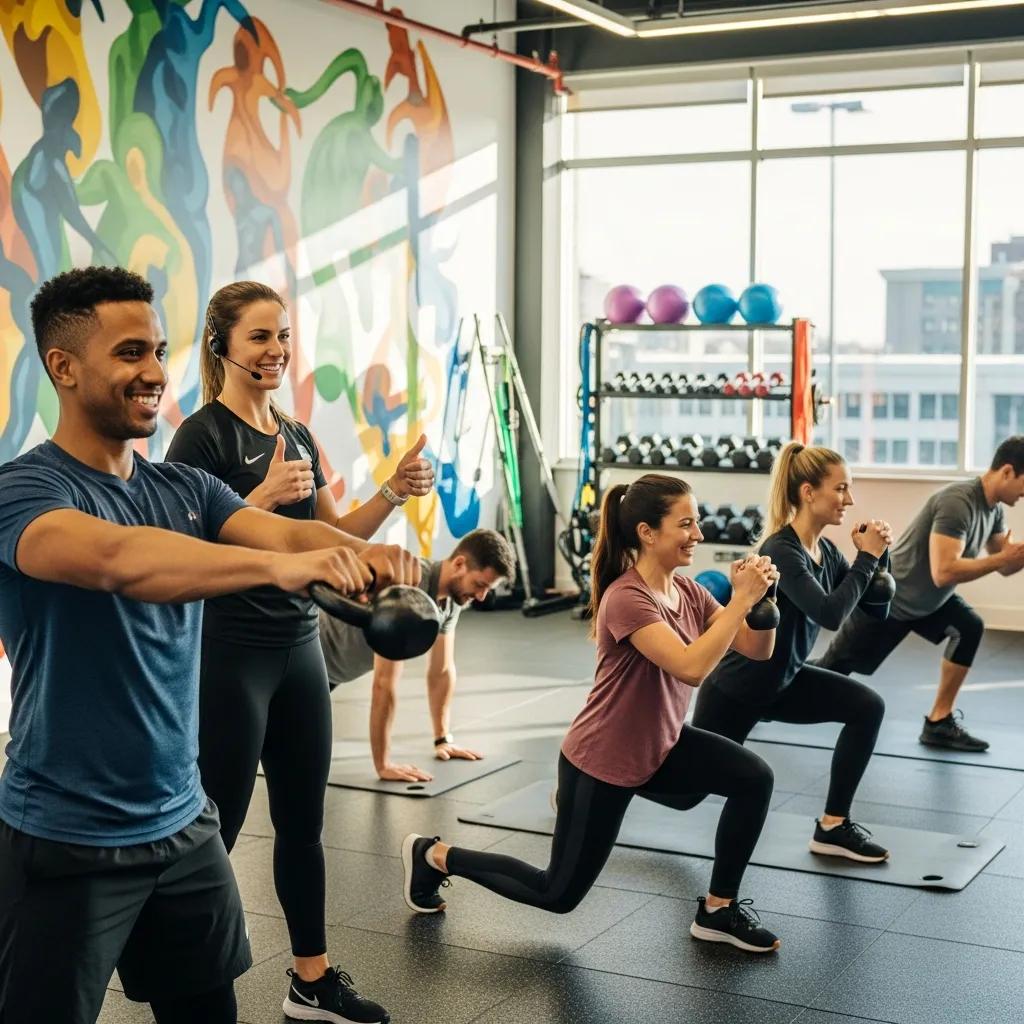
Small group functional training combines targeted movement patterns with community dynamics to deliver scalable personalization and practical strength gains. Functional workouts emphasize multi-joint movements, mobility, and balance that translate directly to daily activities, while small groups preserve coach oversight and foster accountability. This hybrid model suits people who want the motivational benefits of a group without sacrificing corrective programming and progression. The result is improved movement quality and consistent practice that fits into busy River North lifestyles.
Small group functional training offers clear advantages:
- Accountability and consistency: scheduled sessions and peer support help maintain attendance.
- Scalable personalization: coaches adjust load and regressions so individuals progress safely.
- Functional transfer: movements focus on tasks that improve daily life, not just gym metrics.
These benefits explain why functional small groups can outperform conventional gym formats for long-term mobility and resilience, and the contrast below highlights those differences.
| Approach | Characteristic | Primary Benefit |
|---|---|---|
| Functional training (small group) | Movement-based, progressive, coached | Improved daily mobility and injury prevention |
| Conventional gym training | Isolated machines, self-guided | General conditioning but less transfer to daily function |
| High-volume group classes | Intensity-focused, limited individual correction | Cardiovascular challenge with variable movement quality |
The comparison clarifies why functional, coached small groups produce more usable strength for daily tasks than many traditional approaches, setting up how community connection amplifies these gains.
How Do Small Group Classes Foster Support and Motivation?
Small groups create a structured environment where peers share progressions and celebrate improvements, which enhances motivation through social accountability and friendly competition. Regular scheduling and shared milestones reduce barriers to consistency, while coaches provide targeted cues and modifications to keep exercises safe for varying abilities. Participants gain confidence watching others progress and by receiving occasional one-on-one corrections even within a group format. That social reinforcement makes habit formation easier and supports adherence over time.
This social mechanism complements functional programming by ensuring practice frequency and effort remain high, which in turn supports daily-life outcomes.
What Are the Key Benefits of Functional Training for Daily Movement?
Functional training focuses on movement patterns that mimic real-world tasks—squatting, hinging, pushing, pulling, and carrying—improving strength that directly transfers to everyday activities. Emphasis on joint stability, balanced muscle development, and mobility decreases injury risk and enhances balance and coordination for daily life. By prioritizing movement quality and progressive overload, functional training builds sustainable capacity for tasks like lifting groceries or navigating stairs without pain. A practical example is progressing from assisted hinge patterns to loaded deadlifts with improved hip mobility and reduced low-back strain.
These movement-focused gains show why functional strength is often more valuable than isolated machine-based improvements for long-term resilience.
How Does Chicago Strength in Motion Connect with the River North Community Through Fitness?
The studio embeds itself in River North by offering class formats and events designed to engage neighbors, support local fitness goals, and create shared opportunities for movement improvement. Community-oriented offerings include regular small-group classes and periodic group workshops that emphasize practical movement themes, which foster belonging and knowledge sharing. Anonymized client outcomes commonly reported include improved mobility, reduced day-to-day pain, and greater confidence with functional tasks, demonstrating the real-life impact of the studio’s methods. These local connections encourage sustained participation and position the studio as a neighborhood resource for functional, personalized fitness.
The studio’s community programming can be summarized in a compact overview to help readers understand typical offerings and outcomes.
| Program Type | Frequency (typical) | Expected Outcome |
|---|---|---|
| Small-group classes | Weekly | Increased consistency and functional strength |
| Workshops / clinics | Monthly or periodic | Skill acquisition and targeted mobility gains |
| Personal assessments | On request | Baseline movement screening and program plan |
This tabular snapshot clarifies how different program types support progression and local engagement, and it leads naturally into the final practical steps for joining.
What Are Client Success Stories from Chicago Strength in Motion?
Clients have reported qualitative improvements such as regained mobility, less joint discomfort during daily tasks, and increased confidence in physical activity after following tailored programs and attending small-group sessions. These outcome snapshots emphasize sustainable change rather than quick fixes, reflecting progress in movement quality, pain management, and habitual exercise. Many clients find that steady coaching and peer support make it easier to maintain exercise routines and integrate functional movement into daily life. Such reported outcomes underscore the studio’s focus on practical, measurable improvements.
These client-centered narratives point toward straightforward next steps for joining the studio’s offerings.
Where Is Chicago Strength in Motion Located and How Can You Join?
Chicago Strength in Motion operates within the River North neighborhood and serves local residents seeking personalized fitness and functional training solutions. Typical joining steps start with booking an assessment or trial class, followed by a recommended program—either one-on-one training, a small-group plan, or regular functional classes—based on the assessment findings. Prospective clients can expect a clear onboarding process: initial screening, program recommendation, and a progressive start designed to match goals and schedule. To begin, interested individuals should book a consultation or trial session to determine the most appropriate training path without needing specific contact details here.
Frequently Asked Questions
What should I expect during my first assessment at Chicago Strength in Motion?
During your first assessment at Chicago Strength in Motion, you can expect a comprehensive evaluation of your movement patterns, strength levels, and personal fitness goals. A certified trainer will guide you through various exercises to identify any mobility limitations or imbalances. This initial assessment is crucial as it informs your personalized training program, ensuring that your workouts are tailored to your specific needs and objectives. You’ll also discuss your fitness history and any previous injuries to create a safe and effective plan moving forward.
How often should I attend classes or training sessions for optimal results?
For optimal results, it is generally recommended to attend classes or training sessions at least two to three times per week. This frequency allows for consistent practice and progression, which are essential for building strength, improving mobility, and preventing injuries. However, the exact number of sessions may vary based on individual goals, fitness levels, and schedules. Your trainer can help you determine the best frequency for your specific needs, ensuring that your program remains effective and sustainable over time.
Can I participate in small group training if I have specific injuries or limitations?
Yes, you can participate in small group training even if you have specific injuries or limitations. Chicago Strength in Motion emphasizes personalized programming, which means that coaches will provide modifications and adjustments tailored to your individual needs. Before joining a small group, it’s advisable to discuss your limitations with your trainer, who can ensure that the exercises are safe and appropriate for your condition. This approach allows you to benefit from the community aspect of small group training while still receiving the necessary support for your recovery.
What types of functional movements are emphasized in the training programs?
Training programs at Chicago Strength in Motion emphasize functional movements that mimic everyday activities, such as squatting, hinging, pushing, pulling, and carrying. These movements are designed to improve strength, mobility, and coordination, making daily tasks easier and safer. By focusing on multi-joint exercises that engage various muscle groups, the training helps enhance overall functional capacity and reduces the risk of injury. This practical approach ensures that the strength gained in the studio translates effectively to real-life situations.
Are there any community events or workshops available for clients?
Yes, Chicago Strength in Motion regularly hosts community events and workshops designed to engage clients and promote fitness education. These events often focus on specific movement themes, skill acquisition, or mobility improvement, providing opportunities for clients to learn and connect with others. Participating in these workshops can enhance your training experience, as they offer additional insights into functional movement and foster a sense of community among participants. Keep an eye on the studio’s schedule for upcoming events and workshops that may interest you.
How can I track my progress while training at Chicago Strength in Motion?
Tracking your progress at Chicago Strength in Motion is an integral part of the personalized training experience. Coaches will conduct regular assessments and check-ins to monitor your improvements in strength, mobility, and overall fitness. You will receive feedback on your performance and adjustments to your program as needed to ensure continued progress. Additionally, clients are encouraged to maintain a training journal or use fitness apps to log workouts and milestones, providing a clear visual representation of their journey and achievements over time.
Conclusion
Chicago Strength in Motion offers a unique blend of personalized training and community support that enhances mobility, strength, and overall fitness. By focusing on functional movements and tailored programming, clients experience measurable improvements that translate to everyday life. Engaging in small-group classes or personal training not only fosters accountability but also cultivates a supportive environment for sustained progress. Take the first step towards your fitness journey by booking a consultation or trial session today.