
Choosing a personal trainer in Chicago can be a transformative step towards achieving your fitness goals. With numerous options available, it’s essential to understand what to look for in a qualified trainer. This guide will provide you with expert advice on selecting a personal trainer, ensuring you make an informed decision that aligns with your fitness aspirations. Many individuals struggle with finding the right trainer who not only understands their unique needs but also possesses the necessary qualifications and experience.
By focusing on key factors such as certifications, specialties, and client reviews, you can find a trainer who will support your journey effectively. This article will cover essential certifications, how to evaluate trainer experience, common specialties, and the benefits of hiring a certified fitness coach.
What Certifications Should a Qualified Personal Trainer in Chicago Have?
A qualified personal trainer in Chicago should possess recognized certifications that demonstrate their expertise in fitness and exercise science. Certifications from reputable organizations such as the “National Academy of Sports Medicine” (NASM), the American Council on Exercise (ACE), and the National Strength and Conditioning Association (NSCA) are essential indicators of a trainer’s knowledge and skills. These certifications ensure that trainers are well-versed in safe exercise practices, program design, and client assessment. Additionally, ongoing education is crucial, as it keeps trainers updated on the latest fitness trends and methodologies. Liability insurance is another important consideration, as it protects both the trainer and the client in case of any unforeseen incidents during training sessions.
Further research delves into the specifics of various personal training certifications, comparing their requirements and benefits.
Personal Trainer Certifications: A Comparative Guide
Personal training is a largely growing field in the health and fitness industry. There are many different personal training and strength and conditioning certifications that accredit comprehension in the field, and it is often tough to make a decision on which certification to choose. PURPOSE: To centralize information on some of the most well known and sought after personal training and strength and conditioning certifications. METHODS: Research was conducted through the online database SPORTDiscus, on certifying organizations’ websites, and through various other online resources. Categories that were research included educational requirements, cost of certification, NCCA accreditation, time to complete certification after registration, available training for exam, number of questions on the exam, and the average salary of trainers with the certification.
Comparing Personal Training and Strength and Conditioning Certifications Across Multiple Organizations, 2016
How Do Certifications Impact Trainer Credibility and Client Safety?
Certifications significantly enhance a trainer’s credibility and ensure client safety. They indicate that the trainer has undergone rigorous training and has a solid understanding of exercise science principles. This knowledge is vital for creating effective and safe workout programs tailored to individual client needs. Furthermore, certified trainers are often required to maintain their credentials through continuing education, which helps them stay informed about the latest research and best practices in the fitness industry.
Liability insurance also plays a critical role in safeguarding clients, as it provides financial protection in the event of accidents or injuries during training sessions. Overall, certifications are a key factor in establishing trust and ensuring a safe training environment.
How to Evaluate Personal Trainer Experience and Specialties in Chicago
When evaluating a personal trainer’s experience and specialties, consider several key factors. First, check their certifications and educational background to ensure they have the necessary qualifications. Next, read client reviews and testimonials to gauge their effectiveness and client satisfaction. It’s also beneficial to inquire about their experience working with clients who have similar goals or challenges as yours. Additionally, consider whether the trainer has experience with specific populations, such as athletes, seniors, or individuals with medical conditions. An initial assessment or consultation can also provide insight into their training philosophy and approach, helping you determine if they are the right fit for your needs.
Understanding the multifaceted nature of a trainer’s qualifications, including education, certification, and experience, is crucial for making an informed choice.
Personal Trainer Qualifications: Education, Certification, Experience
A threefold approach was utilized to analyze the problem of defining personal fitness trainers’ qualifications. First, the problem was explored nationally, internationally and locally. Within the local context, the history of the exercise science program, stakeholders and culture at the University of Central Florida and in the central Florida marketplace was examined. Next, a systematic literature review examined possible causes within the knowledge context, learning/motivational context and organizational/cultural context. Then, an original research study investigated the qualifications for Central Florida, Personal Fitness Trainers (PFTs) by examining the relationship(s) and/or differences between variables such as education, certification, years of experience and income as well as attitudes, opinions and beliefs (AOBs) regarding those varia
Investigating personal fitness trainers’ qualifications, 2014
What Are Common Trainer Specialties and How Do They Align with Client Goals?
Personal trainers often have various specialties that cater to different client goals. Common specialties include: personal training.
- Weight Loss: Trainers focusing on weight loss design programs that emphasize calorie burning and nutritional guidance.
- Strength Training: These trainers help clients build muscle and improve overall strength through resistance training techniques.
- Sports Performance: Trainers specializing in sports performance work with athletes to enhance their skills, speed, and agility.
- Rehabilitation: Some trainers focus on helping clients recover from injuries, providing tailored programs that promote safe movement and strength rebuilding.
Understanding these specialties allows clients to align their fitness goals with the right trainer, ensuring a more effective and personalized training experience.
What Essential Questions Should You Ask Before Hiring a Personal Trainer in Chicago?
Before hiring a personal trainer, it’s crucial to ask the right questions to ensure they meet your needs. Consider the following essential questions:
- What are your qualifications and certifications?: Understanding their educational background helps assess their expertise.
- What is your training philosophy?: This question reveals their approach to fitness and whether it aligns with your goals.
- Can you provide references or testimonials from past clients?: Hearing from previous clients can provide insight into their effectiveness and client satisfaction.
- What are your rates and availability?: Clarifying costs and scheduling helps you determine if they fit within your budget and time constraints.
These questions will help you gauge the trainer’s suitability and ensure a good match for your fitness journey.
What Are the Typical Cost and Pricing Models for Personal Training in Chicago?
The cost of personal training in Chicago can vary widely based on several factors, including the trainer’s experience, location, and session length. Typically, personal training sessions range from $50 to $150 per session. Factors influencing pricing include the trainer’s qualifications, the type of training offered, and whether sessions are conducted in-person or virtually. Many trainers also offer package deals, which can reduce the overall cost per session. Understanding these pricing models can help you budget effectively for your fitness journey.
| Pricing Model | Description | Average Cost |
|---|---|---|
| Individual Session | One-on-one training session | $50 – $150 |
| Package Deal | Multiple sessions purchased at once | $45 – $120 per session |
| Group Training | Sessions with multiple clients | $25 – $70 per session |
This table illustrates the various pricing models available for personal training in Chicago, helping clients make informed decisions based on their budget and preferences. personal training
How Do Pricing Structures Vary Between In-Person, Virtual, and Hybrid Training?
Pricing structures for personal training can differ significantly based on the training format. In-person training is generally more expensive due to the direct interaction and personalized attention provided by the trainer. Virtual training options, which have gained popularity, are typically more affordable as they eliminate travel costs and facility overhead. Hybrid training combines both in-person and virtual sessions, offering flexibility and often a moderate price point. Understanding these differences can help clients choose the training format that best suits their lifestyle and budget.
What Should Clients Expect Regarding Packages, Sessions, and Cancellation Policies?
Clients should have clear expectations regarding training packages, session lengths, and cancellation policies. Packages may include options for single sessions or multi-session deals, often providing a discount for purchasing multiple sessions upfront. Typical session lengths range from 30 to 60 minutes, depending on the client’s needs and goals. Cancellation policies are also important to understand; most trainers require at least 24 hours’ notice for cancellations to avoid being charged for the session. Flexible scheduling options are often available, allowing clients to adjust their training times as needed.
What Are the Benefits of Choosing a Certified Fitness Coach in Chicago?
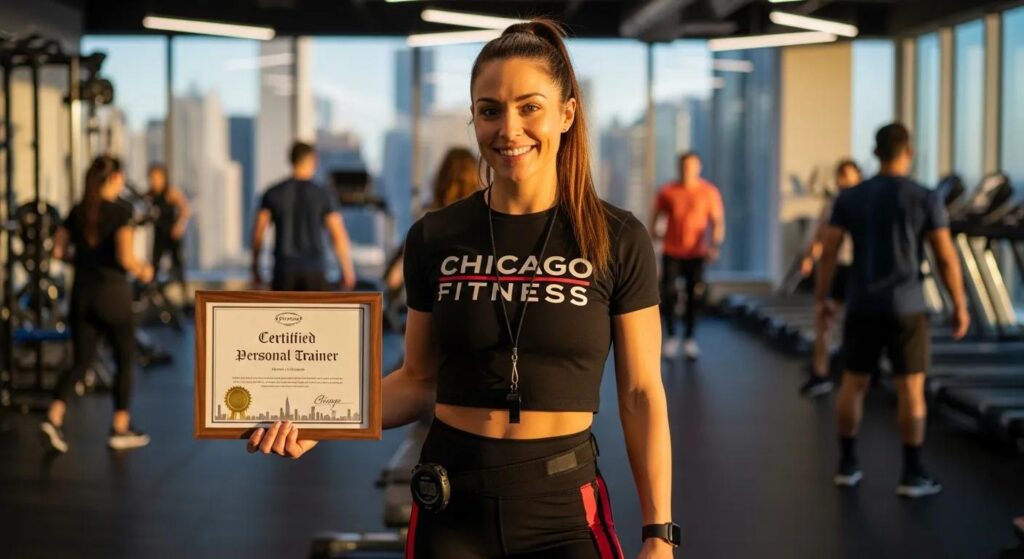
Choosing a certified fitness coach in Chicago offers numerous benefits that can enhance your fitness journey. Certified trainers provide personalized training programs tailored to individual goals, ensuring that workouts are effective and safe. Their expertise and knowledge of exercise science allow them to design programs that maximize results while minimizing the risk of injury. Additionally, certified trainers offer motivation and accountability, helping clients stay committed to their fitness goals. With their support, clients can achieve greater success and maintain a healthier lifestyle.
The effectiveness of personal training is often rooted in the strength of the client-trainer relationship, emphasizing the importance of a strong working alliance. We offer personal training services tailored to your needs.
Client-Trainer Relationship: Working Alliance & Effectiveness
This quasi-experimental study examines, from the standpoint of the personal trainer, the extent to which the working alliance and its component parts of goal, task and bond as defined within Bordin’s (1975, 1979) theoretical framework, are experienced in the working relationship between personal trainer and client. Additionally, the study explores whether a personal trainer’s or a client’s ethnicity or gender, a trainer’s age or training history, the frequency of the personal training sessions, or the length of the training relationship impact the working alliance total or its subscale scores.
Embodying the therapeutic alliance: an exploration of the working alliance in the personal trainer-client relationship, 2008
For those seeking high-quality personal training personal training services, “Chicago Strength in Motion” offers a range of options tailored to meet diverse fitness needs. Their certified trainers are equipped to provide personalized guidance and support, ensuring clients achieve their fitness goals effectively.
Frequently Asked Questions
1. How can I find a personal trainer that fits my specific fitness needs?
To find a personal trainer who aligns with your specific fitness needs, start by identifying your goals, such as weight loss, strength training, or rehabilitation. Research trainers who specialize in these areas and check their certifications and experience. Reading client reviews can also provide insight into their effectiveness. Additionally, consider scheduling an initial consultation to discuss your goals and see if their training philosophy resonates with you. This personalized approach will help ensure a good match for your fitness journey.
2. What should I expect during my first session with a personal trainer?
During your first session with a personal trainer, you can expect an initial assessment where the trainer evaluates your fitness level, discusses your goals, and may conduct some physical tests. This session is typically focused on understanding your needs and creating a tailored workout plan. The trainer will also explain their training style and philosophy, ensuring you feel comfortable and informed. It’s a great opportunity to ask questions and clarify any concerns you may have about the training process.
3. Are there any red flags to watch for when choosing a personal trainer?
When selecting a personal trainer, be aware of potential red flags such as lack of proper certifications or credentials, unwillingness to provide references, or a training philosophy that seems overly aggressive or unrealistic. Additionally, if a trainer does not take the time to understand your individual needs or goals, it may indicate a lack of professionalism. Trust your instincts; if something feels off during your initial interactions, it’s wise to continue your search for a better fit.
4. How often should I meet with my personal trainer for optimal results?
The frequency of sessions with your personal trainer largely depends on your fitness goals, budget, and schedule. For optimal results, many clients benefit from meeting 2 to 3 times per week, allowing for consistent progress and accountability. However, some may find success with weekly sessions supplemented by independent workouts. Discuss your goals with your trainer, who can help you determine a schedule that balances your needs and maximizes your results.
5. What role does nutrition play in personal training, and should I consult a nutritionist?
Nutrition plays a crucial role in achieving fitness goals, as it directly impacts energy levels, recovery, and overall health. While many personal trainers provide basic nutritional guidance, consulting a registered dietitian or nutritionist can offer more personalized and comprehensive dietary advice. If your trainer is not certified in nutrition, it may be beneficial to seek additional support to ensure your diet complements your training regimen effectively, helping you achieve your desired results more efficiently.
6. Can I switch trainers if I feel my current one isn't meeting my needs?
Yes, you can switch personal trainers if you feel your current one isn’t meeting your needs. It’s important to have a trainer who aligns with your goals, communication style, and personality. If you find that your trainer’s approach isn’t working for you, consider discussing your concerns with them first. If the issues persist, it’s perfectly acceptable to seek out another trainer who may be a better fit for your fitness journey.
7. How can I track my progress with a personal trainer?
Tracking your progress with a personal trainer can be done through various methods, including regular fitness assessments, progress photos, and tracking workout performance. Many trainers will help you set measurable goals and provide tools to monitor your achievements over time. Additionally, keeping a journal of your workouts, nutrition, and how you feel can offer valuable insights into your progress. Regular check-ins with your trainer will also help adjust your program as needed to ensure continued improvement.
Conclusion
Choosing a certified personal trainer in Chicago can significantly enhance your fitness journey by providing tailored programs that align with your specific goals. With the right qualifications and experience, trainers ensure safe and effective workouts while offering motivation and accountability. By understanding the key factors in selecting a trainer, you can make an informed decision that supports your aspirations. Start your journey today by exploring our network of certified trainers ready to help you achieve your fitness goals.