Strength training holds a transformative power, specifically targeted toward empowering women in pursuit of fitness and wellness. By focusing on muscular strength, resilience, and overall body functionality, women can unlock numerous physical and psychological benefits. This article explores the core aspects of strength training programs specifically tailored for women in Chicago, addressing their unique requirements and challenges. As we dive into the intricacies of strength training, we’ll outline the benefits, techniques, and personalization options available through local offerings.
Women often grapple with the misconception that engaging in strength training could lead to an overly muscular physique, overlooking the myriad advantages it brings. This article will provide insights into the physiological effects of strength training, training plans available through Chicago Strength In Motion, and effective techniques to pursue muscle-building goals safely. We’ll also navigate through expert coaching opportunities across neighborhoods like River North and Lincoln Park, underscoring accessible resources available to every aspiring female athlete in Chicago.
What Are the Key Benefits of Strength Training for Women in Chicago?
Strength training offers a multitude of benefits specifically tailored to women. These benefits include:
- Improved Muscle Tone and Strength: Regular training enhances muscle definition and overall body composition.
- Enhanced Functional Fitness: It supports day-to-day activities, contributing to a better quality of life and increased independence.
- Boosted Confidence and Well-Being: Engaging in a personalized strength program can significantly elevate self-esteem, fostering resilience against stress and anxiety.
By understanding these key benefits, women in Chicago can make informed decisions about their fitness journey and capitalize on the unique aspects of strength training.
How Does Strength Training Improve Female Muscle Growth and Functional Fitness?
Strength training markedly improves muscle growth and functional fitness through mechanisms such as muscle hypertrophy. Hypertrophy occurs when the muscle fibers sustain tiny tears during workouts, and as they repair, they grow back stronger and larger. Additionally, this form of training enhances neuromuscular connections, allowing for better coordination and movement efficiency in day-to-day tasks.
Regular participation in strength training not only builds muscle but also improves bone density, reducing the risk of osteoporosis. As a result, women who engage in consistent strength training can expect not only improved physical capabilities but also enhanced longevity, reinforcing the importance of strength programs in contributing to overall health and well-being.
What Scientific Evidence Supports Strength Training Benefits for Women?
Recent studies highlight the numerous benefits of strength training for women, showcasing its positive impact on health metrics. Research conducted by the American College of Sports Medicine shows that women engaged in regular strength training experience up to a 30% increase in overall muscle strength and improved metabolic rates. Furthermore, experts emphasize that strength training plays a vital role in injury prevention and rehabilitation, particularly in older women.
Moreover, statistical insights indicate that women who participate in strength training programs report lower rates of anxiety and depression, attributing significant improvements in emotional health to their physical activities. Such evidence underscores the essential role of strength training within an effective wellness strategy, particularly for women seeking holistic improvement.
Findings further demonstrate the tangible musculoskeletal benefits of consistent, progressive resistance training in young women. personal training
Musculoskeletal Adaptations to Strength Training in Young Women
We investigated the musculoskeletal adaptations and efficacy of a whole-body eccentric progressive resistance-training (PRT) protocol in young women. Subjects (n= 37; mean age, 24.3) were randomly assigned to one of 3 groups: high-intensity eccentric PRT (HRT), low-intensity eccentric PRT (LRT), or control. Subjects performed 3 sets of 6 repetitions at 125% intensity or 3 sets of 10 repetitions at 75% intensity in the HRT and LRT groups, respectively, 2 times per week for 16 weeks. Strength was determined by the concentric 1-repetition maximum (1RM) standard. Bone mass and body composition were measured by dual-energy x-ray absorptiometry (DXA). Blood and urine samples were obtained for deoxypyridinoline, osteocalcin, creatine kinase, and creatinine. Data were analyzed by repeated-measures analysis of variance with post hoc comparisons. Strength increased 20–40% in both training groups. Lean body mass increased in the LRT (0.7 ± 0.6 kg) and HRT (0.9 ± 0.9 kg) groups. Bon Musculoskeletal adaptations to 16 weeks of eccentric progressive resistance training in young women, E Schroeder, 2004
Which Personalized Women Fitness Plans Does Chicago Strength In Motion Offer?
Chicago Strength In Motion specializes in a variety of personalized fitness plans tailored to meet the unique needs of each woman, from those just starting their fitness journey to advanced clients looking to further enhance their strength.
How Are Strength Training Programs Tailored to Different Fitness Levels?
Each strength training program begins with a thorough assessment of individual fitness levels, ensuring that each plan is both safe and effective. Programs are designed with flexibility to accommodate various workout styles and preferences, from high-intensity interval training to traditional strength exercises. Progress tracking methods ensure that women can visualize their improvements and stay motivated along their fitness journeys, celebrating achievements at every level.
What Is the Process for Developing Customized Training Plans in Chicago?
To create a customized training plan, Chicago Strength In Motion follows a systematic approach. The initial assessment involves understanding a client’s fitness goals, current capabilities, and any pre-existing conditions that might require special considerations. Following this assessment, trainers establish clear, achievable goals that guide the structuring of the workout sessions. Continuous support is emphasized through regular check-ins and adjustments to the training plan as clients progress, ensuring sustained motivation and growth.
What Are the Most Effective Muscle Building Techniques for Women?
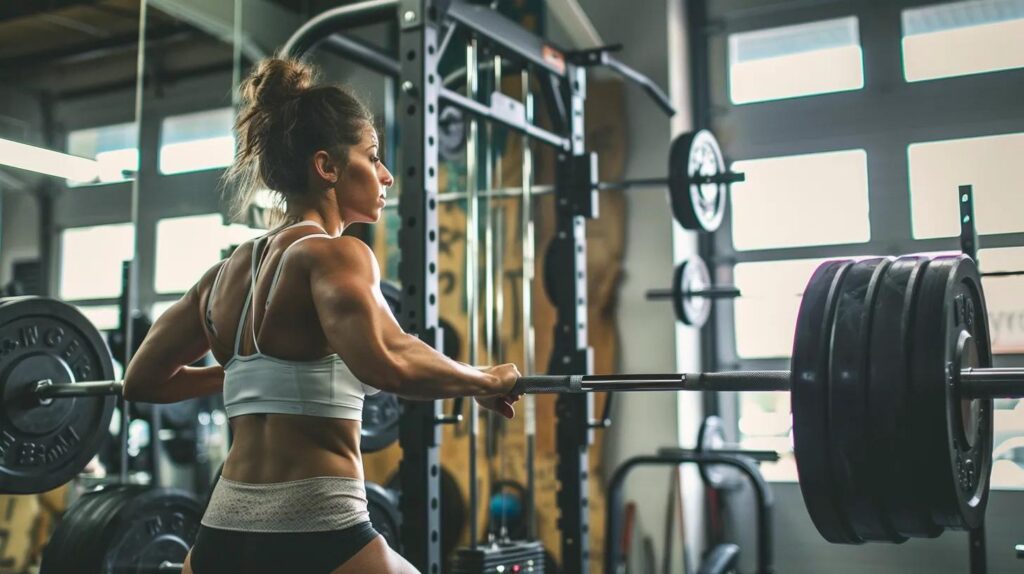
Effective muscle building requires a focus on specific techniques designed to optimize strength development while ensuring safety. blog
Which Resistance Exercises Promote Female Hypertrophy Safely?
Resistance training exercises central to promoting female hypertrophy include squats, deadlifts, and bench presses, which engage multiple muscle groups. These exercises help create a balanced physique and stimulate muscle growth effectively. Incorporating bodyweight movements like push-ups and pull-ups can also enhance strength and functional fitness. Important safety tips involve maintaining proper form and gradually increasing weight resistance to prevent injuries.
How Does Controlled Progression Enhance Muscle Gains in Women?
Controlled progression is a fundamental concept in strength training, emphasizing the gradual increase of weight, frequency, or intensity over time. This method can enhance muscle gains by creating ongoing challenges, which lead to adaptations and strength improvements. Women should consider integrating strategies such as varying their workout routines and incorporating both compound and isolation exercises to maximize their results efficiently. A well-planned progression strategy allows one to avoid plateaus and continually see improvements in strength and muscle tone.
Where Can Women Access Expert Strength Training Coaching in Chicago Neighborhoods?
Finding expert coaching is crucial for embarking on a successful strength training journey. Chicago offers a range of local training facilities that specialize in women’s strength programs, ensuring personalized attention and expert guidance.
What Training Facilities and Support Are Available in River North, Old Town, and Lincoln Park?
In neighborhoods like River North, Old Town, and Lincoln Park, women can access state-of-the-art fitness centers that offer specialized strength training programs. Facilities often feature experienced trainers dedicated to empowering women through personalized coaching and community support. Additionally, these locations typically offer equipment tailored for effective strength training, ensuring accessible and nourishing environments for ongoing fitness journeys.
Furthermore, research indicates that strength training significantly boosts resting metabolic rate and positively impacts body composition across different age groups and genders. personal training
Strength Training’s Impact on Women’s Resting Metabolic Rate and Body Composition
The purpose of this study was to compare age and gender effects of strength training (ST) on resting metabolic rate (RMR), energy expenditure of physical activity (EEPA), and body composition.Methods:RMR and EEPA were measured before and after 24 wk of ST in 10 young men (20-30 yr), 9 young women (20-30 yr), 11 older men (65-75 yr), and 10 older women (65-75 yr).Results:When all subjects were pooled together, absolute RMR significantly increased by 7% (5928 ± 1225 vs 6328 ± 1336 kJ·d-1,PHow Do Local Coaches Support Female Strength Development and Motivation?
Local coaches are instrumental in fostering an encouraging atmosphere that promotes female strength development and motivation. Their techniques can range from one-on-one personalized training sessions to group classes designed to build camaraderie and commitment. Client testimonials often highlight the importance of community support, providing motivation and accountability as they progress towards their strength training goals.
What Are Common Questions About Female Strength Training?
Common inquiries surrounding female strength training can help provide clarity and dispel misconceptions that may hinder potential participants from engaging in strength programs.
How Can Beginners Start Effective Strength Workouts for Women?
Beginners can initiate their strength training journey by focusing on fundamental movements and gradually increasing the complexity of their workouts. It’s advisable for newcomers to participate in introductory classes or seek guidance from fitness professionals who can outline essential techniques and safety protocols. Resources like workout apps or community groups can offer visual learning tools, tracking options, and support throughout the process.
What Safety Tips Optimize Results and Prevent Injuries?
Safety is paramount when engaging in strength training. Key recommendations include warming up prior to workouts, using proper form during exercises, and incorporating recovery days to allow muscles to heal and grow. Listening to one’s body is crucial; if any pain arises, it’s essential to halt the activity and seek professional advice. Additionally, maintaining hydration and a balanced diet can significantly contribute to overall performance and recovery.
How Can Women Track Progress and Achieve Long-Term Strength Goals?
Tracking progress enables individuals to visualize their gains and celebrate achievements, ultimately driving motivation to continue with strength training.
Which Tools and Methods Facilitate Monitoring Muscle Growth and Fitness Gains?
To effectively track muscle growth and fitness gains, various tools and methods can be utilized, including fitness apps that allow users to log workouts, monitor performance, and visualize progress over time. Regular progress assessments conducted by trainers can also provide valuable insights and adjustments to training plans. By setting benchmarks and reviewing past performance, women can adapt their strategies to meet evolving goals and maintain motivation.
What Success Stories Illustrate Effective Strength Training Outcomes in Chicago?
Numerous success stories emerge from women in Chicago who have engaged in strength training programs, showcasing remarkable transformations in both physical fitness and mental health. Individual journeys often highlight common challenges such as maintaining motivation or overcoming initial self-doubt. These narratives serve as powerful testaments to the effectiveness of structured strength training, illustrating how commitment to fitness leads to substantial life improvements and sustainable health.
Frequently Asked Questions
What age group is best suited for starting strength training?
Strength training can benefit women of all ages, starting from late adolescence. However, age-specific considerations are important. For younger women, it’s crucial to focus on proper technique and form to develop a strong foundation. Older women, particularly post-menopausal individuals, can greatly benefit from strength training to enhance bone density and reduce the risk of osteoporosis. Always consult with a healthcare provider or fitness expert when beginning a new training program, especially for those with existing health conditions.
How often should women engage in strength training for optimal results?
To achieve optimal results, women should aim to engage in strength training at least two to three times per week. This frequency allows for muscle recovery and adaptation, important for strength gains. Each session should ideally include exercises targeting all major muscle groups, ensuring balanced development. It’s advisable to incorporate rest days in-between sessions to prevent fatigue and avoid overtraining, while also allowing muscles to regenerate and grow stronger.
Are there specific nutritional needs for women involved in strength training?
Yes, nutrition plays a vital role in supporting strength training efforts. Women engaging in strength training should focus on a well-balanced diet rich in protein, carbohydrates, and healthy fats. Adequate protein intake is essential for muscle repair and growth, while carbohydrates provide the necessary energy for workouts. Incorporating vitamins and minerals through fruits and vegetables will support overall health and recovery. Staying hydrated and considering post-workout nutrition can also significantly enhance performance and results.
Can strength training help in weight loss for women?
Absolutely. Strength training can significantly aid in weight loss by increasing muscle mass, which in turn boosts metabolic rate. When women build muscle, their bodies burn more calories even at rest. Additionally, strength training can improve body composition by reducing fat mass while preserving lean tissue. Importantly, it’s most effective when combined with a balanced diet and sufficient cardiovascular exercise. The overall approach aids in creating a healthy lifestyle leading to sustainable weight loss.
What is the importance of flexibility and mobility in strength training?
Flexibility and mobility are crucial elements in strength training, as they help prevent injuries and enhance performance. Improved flexibility allows for a greater range of motion during exercises, leading to better muscle activation and effectiveness. Mobility exercises ensure that joints and muscles function properly, promoting overall movement quality. Including flexibility and mobility work (like stretching or yoga) into your routine can significantly enhance recovery, reduce soreness, and maintain long-term training success.
Where can women find community support while strength training?
Women can find community support through local gyms, fitness studios, or community centers that offer group classes designed specifically for women. Online platforms and social media groups also provide opportunities to connect with other women on similar fitness journeys. Participating in group workouts or joining women-focused fitness clubs can foster motivation, accountability, and friendship. Many facilities in Chicago emphasize creating supportive environments for women, enhancing the overall strength training experience.
Conclusion
Strength training empowers women in Chicago by improving physical capabilities, boosting confidence, and enhancing overall well-being. Participants can leverage tailored programs that address individual needs while connecting with expert coaching and community support. Discover how personalized strength training can transform your fitness journey for lasting results. Start exploring our training options today!
How Do Local Coaches Support Female Strength Development and Motivation?
Local coaches are instrumental in fostering an encouraging atmosphere that promotes female strength development and motivation. Their techniques can range from one-on-one personalized training sessions to group classes designed to build camaraderie and commitment. Client testimonials often highlight the importance of community support, providing motivation and accountability as they progress towards their strength training goals.
What Are Common Questions About Female Strength Training?
Common inquiries surrounding female strength training can help provide clarity and dispel misconceptions that may hinder potential participants from engaging in strength programs.
How Can Beginners Start Effective Strength Workouts for Women?
Beginners can initiate their strength training journey by focusing on fundamental movements and gradually increasing the complexity of their workouts. It’s advisable for newcomers to participate in introductory classes or seek guidance from fitness professionals who can outline essential techniques and safety protocols. Resources like workout apps or community groups can offer visual learning tools, tracking options, and support throughout the process.
What Safety Tips Optimize Results and Prevent Injuries?
Safety is paramount when engaging in strength training. Key recommendations include warming up prior to workouts, using proper form during exercises, and incorporating recovery days to allow muscles to heal and grow. Listening to one’s body is crucial; if any pain arises, it’s essential to halt the activity and seek professional advice. Additionally, maintaining hydration and a balanced diet can significantly contribute to overall performance and recovery.
How Can Women Track Progress and Achieve Long-Term Strength Goals?
Tracking progress enables individuals to visualize their gains and celebrate achievements, ultimately driving motivation to continue with strength training.
Which Tools and Methods Facilitate Monitoring Muscle Growth and Fitness Gains?
To effectively track muscle growth and fitness gains, various tools and methods can be utilized, including fitness apps that allow users to log workouts, monitor performance, and visualize progress over time. Regular progress assessments conducted by trainers can also provide valuable insights and adjustments to training plans. By setting benchmarks and reviewing past performance, women can adapt their strategies to meet evolving goals and maintain motivation.
What Success Stories Illustrate Effective Strength Training Outcomes in Chicago?
Numerous success stories emerge from women in Chicago who have engaged in strength training programs, showcasing remarkable transformations in both physical fitness and mental health. Individual journeys often highlight common challenges such as maintaining motivation or overcoming initial self-doubt. These narratives serve as powerful testaments to the effectiveness of structured strength training, illustrating how commitment to fitness leads to substantial life improvements and sustainable health.
Frequently Asked Questions
What age group is best suited for starting strength training?
Strength training can benefit women of all ages, starting from late adolescence. However, age-specific considerations are important. For younger women, it’s crucial to focus on proper technique and form to develop a strong foundation. Older women, particularly post-menopausal individuals, can greatly benefit from strength training to enhance bone density and reduce the risk of osteoporosis. Always consult with a healthcare provider or fitness expert when beginning a new training program, especially for those with existing health conditions.
How often should women engage in strength training for optimal results?
To achieve optimal results, women should aim to engage in strength training at least two to three times per week. This frequency allows for muscle recovery and adaptation, important for strength gains. Each session should ideally include exercises targeting all major muscle groups, ensuring balanced development. It’s advisable to incorporate rest days in-between sessions to prevent fatigue and avoid overtraining, while also allowing muscles to regenerate and grow stronger.
Are there specific nutritional needs for women involved in strength training?
Yes, nutrition plays a vital role in supporting strength training efforts. Women engaging in strength training should focus on a well-balanced diet rich in protein, carbohydrates, and healthy fats. Adequate protein intake is essential for muscle repair and growth, while carbohydrates provide the necessary energy for workouts. Incorporating vitamins and minerals through fruits and vegetables will support overall health and recovery. Staying hydrated and considering post-workout nutrition can also significantly enhance performance and results.
Can strength training help in weight loss for women?
Absolutely. Strength training can significantly aid in weight loss by increasing muscle mass, which in turn boosts metabolic rate. When women build muscle, their bodies burn more calories even at rest. Additionally, strength training can improve body composition by reducing fat mass while preserving lean tissue. Importantly, it’s most effective when combined with a balanced diet and sufficient cardiovascular exercise. The overall approach aids in creating a healthy lifestyle leading to sustainable weight loss.
What is the importance of flexibility and mobility in strength training?
Flexibility and mobility are crucial elements in strength training, as they help prevent injuries and enhance performance. Improved flexibility allows for a greater range of motion during exercises, leading to better muscle activation and effectiveness. Mobility exercises ensure that joints and muscles function properly, promoting overall movement quality. Including flexibility and mobility work (like stretching or yoga) into your routine can significantly enhance recovery, reduce soreness, and maintain long-term training success.
Where can women find community support while strength training?
Women can find community support through local gyms, fitness studios, or community centers that offer group classes designed specifically for women. Online platforms and social media groups also provide opportunities to connect with other women on similar fitness journeys. Participating in group workouts or joining women-focused fitness clubs can foster motivation, accountability, and friendship. Many facilities in Chicago emphasize creating supportive environments for women, enhancing the overall strength training experience.
Conclusion
Strength training empowers women in Chicago by improving physical capabilities, boosting confidence, and enhancing overall well-being. Participants can leverage tailored programs that address individual needs while connecting with expert coaching and community support. Discover how personalized strength training can transform your fitness journey for lasting results. Start exploring our training options today!