Dynamic Neuromuscular Stabilization (DNS) is a revolutionary approach to optimizing movement patterns and enhancing overall physical performance. This method focuses on the intricate relationship between the nervous system and musculoskeletal function, aiming to improve motor control and stability. In this comprehensive guide, readers will learn about the principles of DNS, its benefits, and how it can be applied to various fitness levels.
Many individuals struggle with movement inefficiencies and postural issues, which can lead to injuries and decreased performance. DNS offers a solution by providing targeted training that enhances neuromuscular coordination and functional movement. This article will explore the core concepts of DNS, the key techniques involved, the benefits of personalized programs, and how functional movement assessments can tailor training to individual needs.
What is Dynamic Neuromuscular Stabilization and How Does It Enhance Movement?
Dynamic Neuromuscular Stabilization (DNS) is a therapeutic approach that enhances movement by optimizing motor control through the integration of the nervous system and musculoskeletal system.
This method works by retraining the body’s natural movement patterns, which can lead to improved stability and efficiency in physical activities. The primary benefit of DNS is its ability to correct dysfunctional movement patterns, thereby reducing the risk of injury and enhancing athletic performance.
Understanding the Principles of DNS and Motor Control Optimization
The principles of DNS are rooted in the understanding of how the body stabilizes itself during movement. It emphasizes the importance of proper alignment and the activation of deep stabilizing muscles. By focusing on these elements, DNS helps individuals achieve better motor control, which is essential for executing complex movements effectively. This optimization not only enhances performance but also contributes to long-term joint health and injury prevention.
How DNS Improves Postural Control and Movement Patterns
DNS significantly improves postural control by addressing the underlying causes of poor posture and movement dysfunctions. Through targeted exercises, individuals learn to engage their core and stabilizing muscles, which leads to better alignment and balance. For example, a case study involving athletes showed that implementing DNS techniques resulted in improved posture and enhanced movement efficiency, allowing them to perform at higher levels with reduced risk of injury. community results advantages of small group fitness class.
Which Neuromuscular Exercise Techniques Are Central to DNS Training?

Several key neuromuscular exercise techniques are central to DNS training, each designed to enhance functional movement and stability. These techniques focus on dynamic stabilization, which is crucial for maintaining balance and control during various physical activities.
Key Dynamic Stabilization Exercises for Functional Movement Training
Dynamic stabilization exercises are fundamental to DNS training. These exercises include movements that require the body to maintain stability while performing dynamic actions. Examples of such exercises are the bird-dog, plank variations, and single-leg balances. Each of these exercises targets specific muscle groups and promotes coordination, which is essential for functional movement training.
How Postural Control Training Corrects Movement Dysfunctions
Postural control training is a vital component of DNS that addresses common movement dysfunctions. By focusing on correcting alignment and engaging the appropriate muscle groups, individuals can overcome issues such as excessive lumbar lordosis or forward head posture. Success stories from clients who have undergone DNS training highlight significant improvements in their movement patterns and overall physical performance.
A recent systematic review further emphasizes the critical role of DNS exercises in rehabilitation for a variety of conditions.
Systematic Review: DNS Exercises for Musculoskeletal & Neurological Rehabilitation
ABSTRACT: ABSTRACTThe objective of this study was to systematically review and evaluate the relevant literature on dynamic neuromuscular stabilization (DNS) exercises. A literature search was conducted from inception to February, 2023 within PubMed, Medline, Google Scholar, Science Direct and EBSCO to identify studies related to the role of DNS in the rehabilitation of musculoskeletal and neurological conditions. The databases were searched using the following key words: Dynamic neuromuscular stabilization, pain, physical function, stroke, hemiplegia. After the initial search full text studies related to the use of DNS exercises in the rehabilitation of musculoskeletal or neurological conditions were selected for further review irrespective of study design. A quantitative analysis of the selected studies was done by using the Joanna Briggs Institute Critical Appraisal tool. The systematic review identified a total of 16 studies (seven low risk, six medium risk and three high risk of bias) that m
Role of dynamic neuromuscular stabilization exercises in physical rehabilitation: a systematic review, JK Chawla, 2024
What Are the Benefits of Personalized DNS Programs for Movement Optimization?
Personalized DNS programs offer numerous benefits for individuals seeking to optimize their movement patterns. These programs are tailored to meet the unique needs of each client, ensuring that they receive the most effective training for their specific goals.
Injury Prevention and Performance Enhancement through Neuromuscular Training
One of the primary benefits of personalized DNS programs is their focus on injury prevention. By addressing individual movement dysfunctions and weaknesses, these programs help reduce the risk of injuries that can occur during physical activities. Additionally, clients often experience enhanced performance as they develop better motor control and stability, allowing them to execute movements more efficiently.
Customized Movement Pattern Correction for Diverse Fitness Levels
Customized movement pattern correction is essential for accommodating diverse fitness levels. DNS programs can be adapted for beginners, intermediate, and advanced athletes, ensuring that each individual receives appropriate challenges and support. For instance, a beginner may focus on foundational stabilization exercises, while an advanced athlete might engage in more complex movements that require higher levels of coordination and strength.
How Are Functional Movement Assessments Used to Tailor DNS Training?
Functional movement assessments play a crucial role in tailoring DNS training to individual needs. These assessments evaluate a client’s motor control, stability, and movement patterns, providing valuable insights into their specific challenges.
Evaluating Motor Control and Postural Stability in Clients
During functional movement assessments, practitioners analyze clients’ motor control and postural stability through various tests and observations. This evaluation helps identify areas of weakness or dysfunction that need to be addressed in their training program. For example, assessments may reveal that a client has difficulty maintaining balance during single-leg exercises, indicating a need for targeted stabilization work.
Integrating Assessment Results into Personalized Exercise Plans
The results of functional movement assessments are integrated into personalized exercise plans, ensuring that clients receive training that directly addresses their needs. By focusing on the specific areas identified during the assessment, clients can achieve more effective results and improve their overall movement quality.
Where Can Chicago Residents Access Expert DNS Training and Support?
Chicago residents looking to enhance their movement through DNS training can find expert support at Chicago Strength In Motion. This specialized fitness provider focuses on personalized training programs that emphasize movement optimization through advanced neuromuscular techniques.
Specialized DNS Exercise Programs in River North, Old Town, and Lincoln Park
Chicago Strength In Motion offers specialized DNS exercise programs in various neighborhoods, including River North, Old Town, and Lincoln Park. These programs are designed to cater to individuals of all fitness levels, providing tailored training that addresses specific movement needs and goals. advantages of small group fitness class
Credentials and Expertise of DNS Specialists at Chicago Strength In Motion
The DNS specialists at Chicago Strength In Motion possess extensive training and expertise in neuromuscular techniques. Their qualifications ensure that clients receive high-quality instruction and support throughout their training journey, leading to optimal results and improved movement efficiency.
What Are Common Questions About DNS and Movement Optimization?
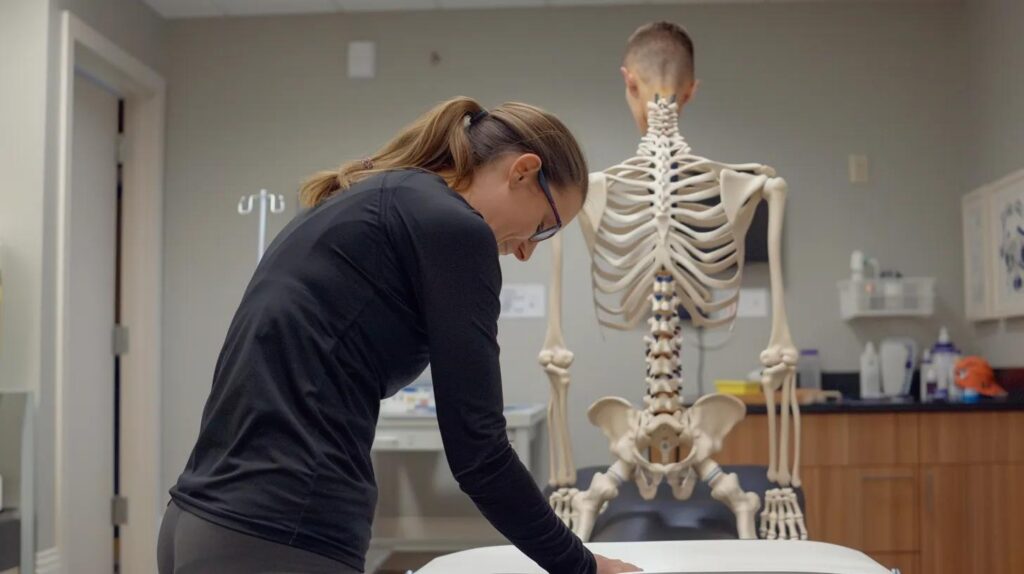
As interest in Dynamic Neuromuscular Stabilization grows, many individuals have questions about its applications and benefits. Understanding these common inquiries can help clarify the value of DNS training.
Who Can Benefit from Dynamic Neuromuscular Stabilization Exercises?
Dynamic Neuromuscular Stabilization exercises can benefit a wide range of individuals, from athletes seeking to enhance their performance to those recovering from injuries. People of all fitness levels can experience improvements in their movement patterns and overall physical function through DNS training.
How Does Neuromuscular Training Facilitate Sustainable Health and Wellness?
Neuromuscular training, particularly through DNS, promotes sustainable health and wellness by addressing the root causes of movement dysfunctions. By improving motor control and stability, individuals can maintain better physical function throughout their lives, reducing the risk of injuries and enhancing their quality of life.
Frequently Asked Questions
What types of conditions can benefit from DNS exercises?
Dynamic Neuromuscular Stabilization (DNS) exercises can be beneficial for a variety of conditions, including musculoskeletal issues like back pain, joint instability, and postural problems. Additionally, individuals recovering from neurological conditions such as stroke or hemiplegia may also find DNS helpful. The systematic review highlighted the effectiveness of DNS in rehabilitation, indicating that it can aid in restoring functional movement and improving overall physical performance across different populations.
How long does it take to see results from DNS training?
The time it takes to see results from Dynamic Neuromuscular Stabilization training can vary based on individual factors such as fitness level, the severity of movement dysfunctions, and consistency in training. Generally, clients may start to notice improvements in motor control and stability within a few weeks of regular practice. However, significant changes in movement patterns and overall performance may take several months, especially for those with more complex issues. Regular assessments can help track progress effectively.
Can DNS training be integrated with other fitness programs?
Yes, DNS training can be effectively integrated with other fitness programs. Many athletes and fitness enthusiasts incorporate DNS principles into their existing routines to enhance performance and prevent injuries. By focusing on proper alignment and stabilization, DNS complements various training modalities, including strength training, yoga, and sports-specific drills. This integration allows individuals to optimize their movement patterns while benefiting from the strengths of different training approaches. small group fitness class
Is DNS training suitable for older adults?
Dynamic Neuromuscular Stabilization training is indeed suitable for older adults, as it focuses on improving stability, balance, and functional movement. These aspects are crucial for maintaining independence and reducing the risk of falls in this population. DNS programs can be tailored to accommodate the unique needs and fitness levels of older adults, ensuring that they engage in safe and effective exercises that promote overall health and mobility.
What should I expect during a DNS assessment?
During a DNS assessment, you can expect a comprehensive evaluation of your movement patterns, motor control, and postural stability. A trained specialist will observe your movements and may conduct specific tests to identify areas of weakness or dysfunction. This assessment aims to provide insights into your unique challenges and inform the development of a personalized training program. The process is typically collaborative, allowing you to discuss your goals and concerns with the practitioner.
Are there any risks associated with DNS training?
While Dynamic Neuromuscular Stabilization training is generally safe, as with any exercise program, there are potential risks, especially if exercises are performed incorrectly or without proper guidance. Individuals with pre-existing conditions or injuries should consult a healthcare professional before starting DNS training. Working with a qualified DNS specialist can help mitigate risks by ensuring that exercises are tailored to your specific needs and performed with correct technique.
Conclusion
Dynamic Neuromuscular Stabilization (DNS) offers a transformative approach to enhancing movement efficiency and overall physical performance. By focusing on personalized training and addressing individual movement dysfunctions, DNS significantly reduces the risk of injury while improving motor control and stability. Engaging in tailored DNS programs can lead to measurable improvements in your physical capabilities, regardless of your fitness level. Discover how you can optimize your movement today by exploring expert DNS training options available in your area.