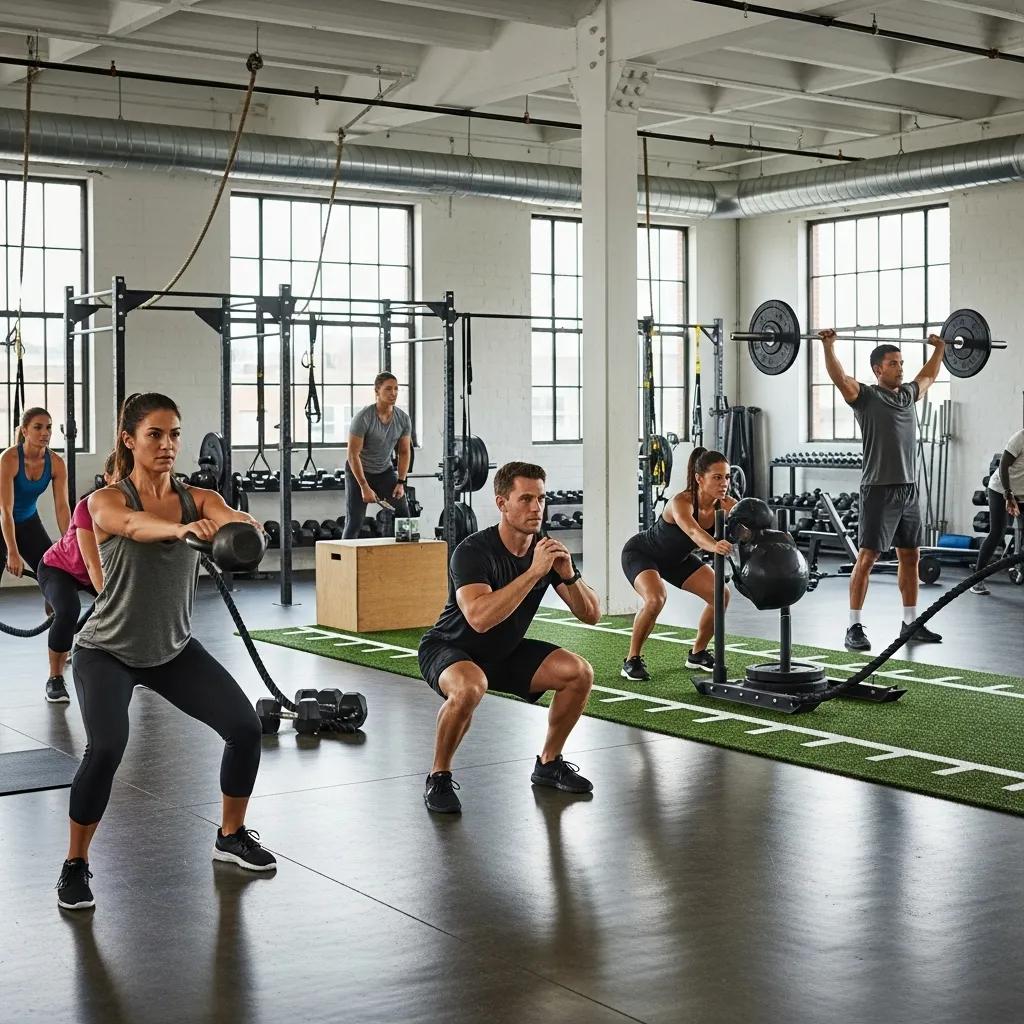
Functional training is a method of exercise that focuses on training the body for the activities performed in daily life. This approach emphasizes the development of strength, flexibility, and coordination through movements that mimic everyday tasks. By integrating various muscle groups and movement patterns, functional training enhances overall physical performance and well-being. Many individuals struggle with maintaining mobility and strength as they age or lead sedentary lifestyles.
Functional training offers a solution by improving functional movement patterns, which are essential for daily activities. This article will explore the benefits of functional training, the scientific principles that support it, and how it can enhance physical performance and overall well-being.
Benefits of Functional Training
Functional training provides numerous benefits that contribute to improved physical health and daily performance. These benefits include:
- Improved Strength and Mobility: Functional training enhances overall strength and flexibility, allowing individuals to perform daily tasks with greater ease.
- Injury Prevention: By focusing on movement patterns that mimic real-life activities, functional training helps reduce the risk of injuries during everyday tasks.
- Enhanced Daily Performance: Individuals who engage in functional training often experience improved performance in daily activities, such as lifting, bending, and reaching.
For those looking to enhance their functional training experience, Chicago Strength In Motion offers specialized programs designed to improve strength and mobility through targeted exercises.
Scientific Principles Supporting Functional Training
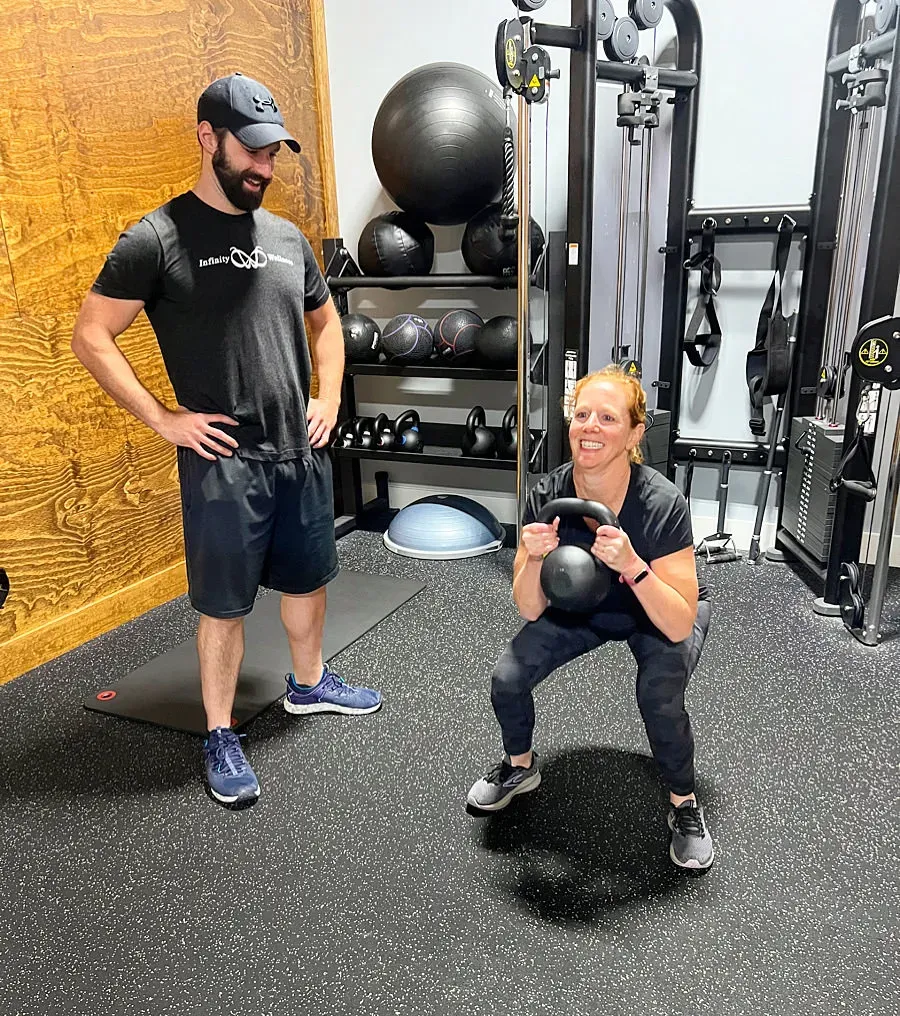
The effectiveness of functional training is grounded in several scientific principles. These principles include: functional training.
- Progressive Overload: Gradually increasing the intensity of exercises helps the body adapt and grow stronger over time.
- Multi-Planar Movement: Engaging in exercises that involve multiple planes of motion enhances overall movement efficiency and coordination.
- Core Stabilization: A strong core is essential for maintaining proper posture and balance during functional movements.
Understanding these principles allows trainers and individuals to design effective functional training programs that maximize benefits.
Enhancements to Physical Performance and Well-Being
Functional training not only improves physical performance but also contributes to overall well-being. Key enhancements include:
- Athletic Performance Improvement: Athletes benefit from functional training as it enhances their ability to perform specific sports-related movements.
- Holistic Health Benefits: Functional training promotes overall health by improving cardiovascular fitness, muscular strength, and flexibility.
- Mental Health Improvements: Engaging in regular physical activity, such as functional training, has been shown to reduce symptoms of anxiety and depression.
What Are Functional Movement Patterns and Why Do They Matter?
Functional movement patterns are specific movements that mimic everyday activities, such as squatting, pushing, and pulling. These patterns are crucial for maintaining strength and mobility in daily life. They matter because:
- Mimic Everyday Activities: Functional movement patterns replicate the motions we perform daily, making them relevant to our lives.
- Enhance Strength and Mobility: Training these patterns improves the body’s ability to perform tasks efficiently and safely.
- Reduce Injury Risk: By strengthening the muscles involved in these movements, individuals can lower their risk of injury during daily activities.
How Do Functional Movement Patterns Improve Daily Activities?
Functional movement patterns significantly enhance daily activities by improving:
- Improved Joint Stability: Strengthening the muscles around joints helps maintain stability during movement.
- Enhanced Mobility: Increased flexibility and strength contribute to a greater range of motion, making daily tasks easier.
- Better Balance and Coordination: Training these patterns improves overall balance and coordination, which are essential for performing daily activities safely.
Research further supports the efficacy of functional training in enhancing movement patterns and stability, particularly in athletic populations.
Functional Training Improves Movement Patterns & Stability
The total score of FMS had increased from 15.89 ± 2.0 to 17 ± 1.23 (p= 0.04) in female basketball players. Jump-landing biomechanics measured by LESS had improved from 6.85 ± 2.34 to 4.62 ± 2.87 (p= 0.01) in male basketball players. All the parameters of dynamic stability of lower limbs had improved after exercise training sessions.
The effect of integrated training program on functional movements patterns, dynamic stability, biomechanics, and muscle strength of lower limbs in elite young …, L Šiupšinskas, 2018
Which Common Movement Patterns Are Essential for Functional Training?
Several common movement patterns are essential for effective functional training, including:
- Squatting: This movement pattern is fundamental for activities like sitting and standing.
- Hinging: Hinging movements, such as bending at the hips, are crucial for picking up objects from the ground.
- Pushing: Pushing movements are involved in tasks like pushing a door open or lifting objects overhead.
Incorporating these patterns into training routines can lead to significant improvements in functional fitness.
How Do Biomechanics Principles Enhance Functional Training Effectiveness?
Biomechanics principles play a vital role in enhancing the effectiveness of functional training. Key principles include:
- Force Application: Understanding how to apply force effectively during movements can improve performance and reduce injury risk.
- Movement Efficiency: Analyzing movement patterns helps identify areas for improvement, leading to more efficient and effective training.
- Injury Prevention: By applying biomechanical principles, trainers can design programs that minimize the risk of injury during exercise.
What Role Does Biomechanical Analysis Play in Exercise Design?
Biomechanical analysis is essential in designing effective exercise programs. It involves: Biomechanical analysis
- Assessment of Movement Patterns: Analyzing how individuals move helps identify strengths and weaknesses in their biomechanics.
- Injury Risk Reduction: Understanding movement mechanics allows trainers to modify exercises to reduce the risk of injury.
- Optimizing Performance: By tailoring exercises to individual biomechanics, trainers can enhance performance and results.
How Does Understanding Force Application Prevent Injury?
Understanding force application is crucial for preventing injuries during functional training. Key aspects include:
- Proper Alignment: Maintaining proper alignment during movements ensures that forces are distributed evenly across the body.
- Movement Mechanics: Understanding how to move efficiently reduces unnecessary strain on muscles and joints.
- Core Stabilization: A strong core helps maintain stability and control during movements, further preventing injuries.
What Are the Key Corrective Exercise Techniques in Functional Training?
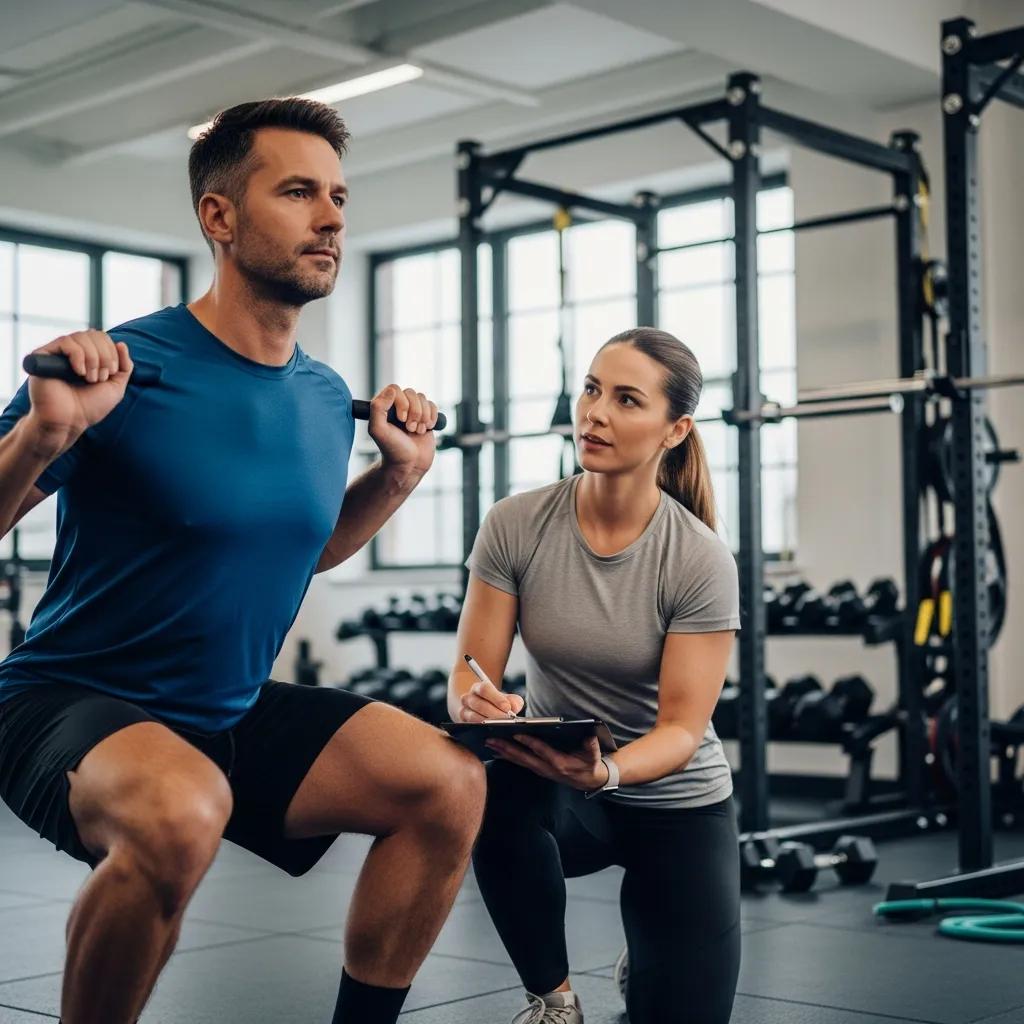
Corrective exercise techniques are vital for addressing movement dysfunctions. Key techniques include:
- Movement Assessments: Evaluating an individual’s movement patterns helps identify areas of dysfunction.
- Corrective Exercises: Targeted exercises are designed to address specific weaknesses or imbalances.
- Strengthening Supporting Muscles: Focusing on strengthening muscles that support functional movements can improve overall performance.
How Do Corrective Exercises Address Movement Dysfunctions?
Corrective exercises play a significant role in resolving movement dysfunctions by: Corrective exercises
- Identifying Muscle Imbalances: Assessments help pinpoint specific muscle imbalances that may contribute to dysfunction.
- Restoring Balanced Force Distribution: Corrective exercises aim to restore balance in muscle strength and flexibility.
- Improving Movement Quality: By addressing dysfunctions, individuals can enhance their overall movement quality and efficiency.
Which Techniques Are Most Effective for Injury Prevention?
Several techniques are particularly effective for preventing injuries during functional training, including:
- Movement Assessments: Regular assessments help identify potential injury risks before they become problematic.
- Corrective Exercises: Implementing corrective exercises can address weaknesses that may lead to injuries.
- Progressive Exercise Sequences: Gradually increasing the intensity of exercises allows the body to adapt safely.
Studies have demonstrated the practical application of these techniques in reducing injury risk and improving movement capacity in athletes.
Functional Exercise Programs for Movement Capacity & Injury Prevention
To increase movement capacity and to reduce injury risk in young soccer players by implementing a special functional exercise program based on functional movement screen (FMS) and correctives.
Effects of special exercise programs on functional movement screen scores and injury prevention in preprofessional young football players, E Dinc, 2017
How Does Human Movement Science Inform Functional Training Programs?
Human movement science provides valuable insights that inform functional training programs. Key considerations include:
- Real-World Movement Patterns: Understanding how the body moves in real-life situations helps design relevant training programs.
- Injury Prevention: Insights from movement science can guide the development of programs that minimize injury risk.
- Personalization and Adaptability: Tailoring programs to individual needs based on movement science enhances effectiveness.
How Is Neuromuscular Coordination Developed Through Training?
Neuromuscular coordination is developed through targeted training that emphasizes:
- Multi-Joint Movements: Engaging multiple joints during exercises enhances coordination and functional strength.
- Loaded Carries: Incorporating loaded carries into training improves overall stability and coordination.
- Mobility Drills: Mobility drills enhance flexibility and range of motion, contributing to better coordination.
Frequently Asked Questions
What types of exercises are included in functional training?
Functional training encompasses a variety of exercises that mimic everyday movements. Common types include squats, lunges, push-ups, and kettlebell swings. These exercises are designed to engage multiple muscle groups and improve overall strength, flexibility, and coordination. Additionally, functional training often incorporates balance and stability exercises, such as single-leg stands or stability ball workouts, to enhance core strength and prevent injuries during daily activities.
Can functional training be adapted for different fitness levels?
Yes, functional training is highly adaptable and can be tailored to suit various fitness levels, from beginners to advanced athletes. Modifications can be made to exercises by adjusting the intensity, duration, or complexity. For instance, beginners may start with bodyweight exercises, while more advanced individuals can incorporate weights or resistance bands. This flexibility allows everyone to benefit from functional training, regardless of their current fitness status or goals.
How often should one engage in functional training?
For optimal results, it is generally recommended to engage in functional training at least two to three times per week. This frequency allows the body to adapt and improve strength, flexibility, and coordination over time. However, the exact frequency may vary based on individual goals, fitness levels, and recovery needs. It’s essential to listen to your body and incorporate rest days to prevent overtraining and injuries.
Is functional training suitable for older adults?
Absolutely! Functional training is particularly beneficial for older adults as it focuses on improving strength, balance, and mobility, which are crucial for maintaining independence in daily activities. Tailored programs can help older individuals enhance their functional movement patterns, reduce the risk of falls, and improve overall quality of life. It’s advisable for older adults to consult with a fitness professional to design a safe and effective training regimen that meets their specific needs.
What equipment is typically used in functional training?
Functional training can be performed with minimal equipment, making it accessible for many individuals. Common tools include resistance bands, dumbbells, kettlebells, medicine balls, and stability balls. Additionally, bodyweight exercises are a significant component of functional training, requiring no equipment at all. The choice of equipment often depends on the specific exercises being performed and the individual’s fitness level and goals.
How does functional training differ from traditional weight training?
Functional training differs from traditional weight training in its focus on movements that mimic real-life activities rather than isolating specific muscle groups. While traditional weight training often emphasizes lifting heavy weights in a controlled environment, functional training incorporates multi-joint movements that engage various muscle groups simultaneously. This approach enhances overall functional fitness, improving performance in daily tasks and reducing the risk of injury.
Can functional training help with rehabilitation after an injury?
Yes, functional training can be an effective component of rehabilitation after an injury. By focusing on restoring movement patterns and strengthening the muscles involved in daily activities, functional training helps individuals regain their strength, flexibility, and coordination. It is essential, however, to work with a qualified healthcare professional or physical therapist to ensure that the exercises are appropriate for the specific injury and recovery stage.
Essential Corrective Exercise Techniques for Movement Correction
Functional training offers a comprehensive approach to enhancing strength, mobility, and overall well-being, making it essential for daily life activities. By focusing on real-world movement patterns, individuals can significantly reduce injury risks while improving their physical performance. Engaging in regular functional training can lead to lasting benefits, including better balance, coordination, and mental health. Start your journey towards improved fitness and functionality by exploring tailored programs today.