Unlock Your Body: Functional Movement Patterns Explained
Functional movement patterns are essential for optimizing physical performance and preventing injuries. These patterns encompass a series of movements that mimic everyday activities, allowing individuals to engage in physical tasks with greater efficiency and safety. By understanding and implementing these patterns, one can unlock their body’s potential, enhancing mobility and strength. This guide will delve into the significance of functional movement patterns, their role in fitness, and practical applications to improve overall functional movement systems.
In this article, we will explore the key principles of functional movement patterns, their impact on mobility and strength, and practical exercises to incorporate into your routine. Additionally, we will discuss how movement pattern correction can optimize bodyweight strength exercises and provide recommendations for mobility and stability drills.
Research further supports the efficacy of functional corrective training in improving movement patterns and overall physical fitness.
Functional Corrective Training for Movement Patterns & Fitness
The objective of this study is to investigate the effects of functional corrective training and static stretching on the quality of movement patterns and physical fitness in college students. The study was conducted with 30 male college students from a university in Guangzhou, China. The participants were randomly assigned to either the functional corrective training group (FCT,n= 15, age = 20.93 ± 0.85, BMI = 22.07 ± 2.33) or the static stretching group (SS,n= 13, age = 20.85 ± 0.86, BMI = 21.98 ± 1.80). Two participants from the SS group dropped out due to personal reasons, leaving 13 subjects in that group. Both groups underwent a 6-week training intervention, with sessions held twice a week. The FCT group participated in flexibility training, and/or static motor control training, and/or dynamic motor control training for 10–15 min. The SS group performed static stretching exercises targeting five specific muscles, with 30 s per side and two sets. The Functional Movement Screen (FMS
Effects of functional correction training on movement patterns and physical fitness in male college students, Z Zhang, 2024
Comprehensive Guide on Functional Movement Patterns
Functional movement patterns are defined as the fundamental movements that form the basis of all physical activity. These movements include squatting, hinging, pushing, pulling, and gait, which are crucial for daily activities and athletic performance. Understanding these patterns is vital for anyone looking to improve their fitness and overall well-being.
The importance of functional movement patterns lies in their ability to enhance performance in daily tasks and sports. By training these movements, individuals can develop better coordination, strength, and flexibility, which are essential for injury prevention and improved physical capabilities. personal training
Introduction to Functional Movement Patterns
Functional movement patterns serve as the foundation for all physical activities. They are characterized by their ability to engage multiple muscle groups and joints, promoting overall body coordination and efficiency. Examples of these movements include squats, lunges, and push-ups, which are commonly used in various fitness programs.
The benefits of incorporating functional movement patterns into your training regimen are numerous. They not only improve strength and mobility but also enhance balance and stability, making everyday tasks easier and safer. By focusing on these patterns, individuals can achieve better physical performance and reduce the risk of injury.
Role in Enhancing Mobility and Strength
Functional movement patterns play a crucial role in enhancing both mobility and strength. By engaging in these movements, individuals can improve their range of motion and overall physical capabilities. Mobility is essential for performing daily activities, while strength is necessary for supporting the body during these tasks. Personal training is essential for developing strength and improving mobility.
Incorporating functional movement patterns into your training can lead to significant improvements in physical performance. For instance, exercises like squats and deadlifts not only build strength but also enhance joint stability and muscle coordination. This holistic approach to fitness ensures that individuals are well-prepared for the demands of daily life and athletic endeavors.
For those looking to enhance their functional training, Chicago Strength in Motion offers specialized programs that focus on these essential movement patterns. By integrating these principles into your routine, you can unlock your body’s full potential.
Key Principles of Functional Movement Patterns
Understanding the key principles of functional movement patterns is essential for effective training. These principles include: functional movement
- Multi-planar Movement: Engaging in movements that occur in multiple planes of motion enhances overall body coordination and strength.
- Joint Stability: Focusing on joint stability during exercises helps prevent injuries and improves overall performance.
- Progressive Overload: Gradually increasing the intensity of workouts ensures continuous improvement in strength and mobility.
By adhering to these principles, individuals can create a well-rounded fitness program that promotes long-term health and performance.
Practical Applications of Functional Movement Patterns
Functional movement patterns can be applied to various aspects of daily life and athletic performance. By training these movements, individuals can improve their ability to perform everyday tasks, such as lifting objects, climbing stairs, and maintaining balance.
Incorporating functional movement patterns into athletic training can also enhance performance in sports. For example, athletes who focus on these movements can improve their agility, speed, and overall physical capabilities, leading to better results in their respective sports.
Mobility and Flexibility Exercises in Functional Training
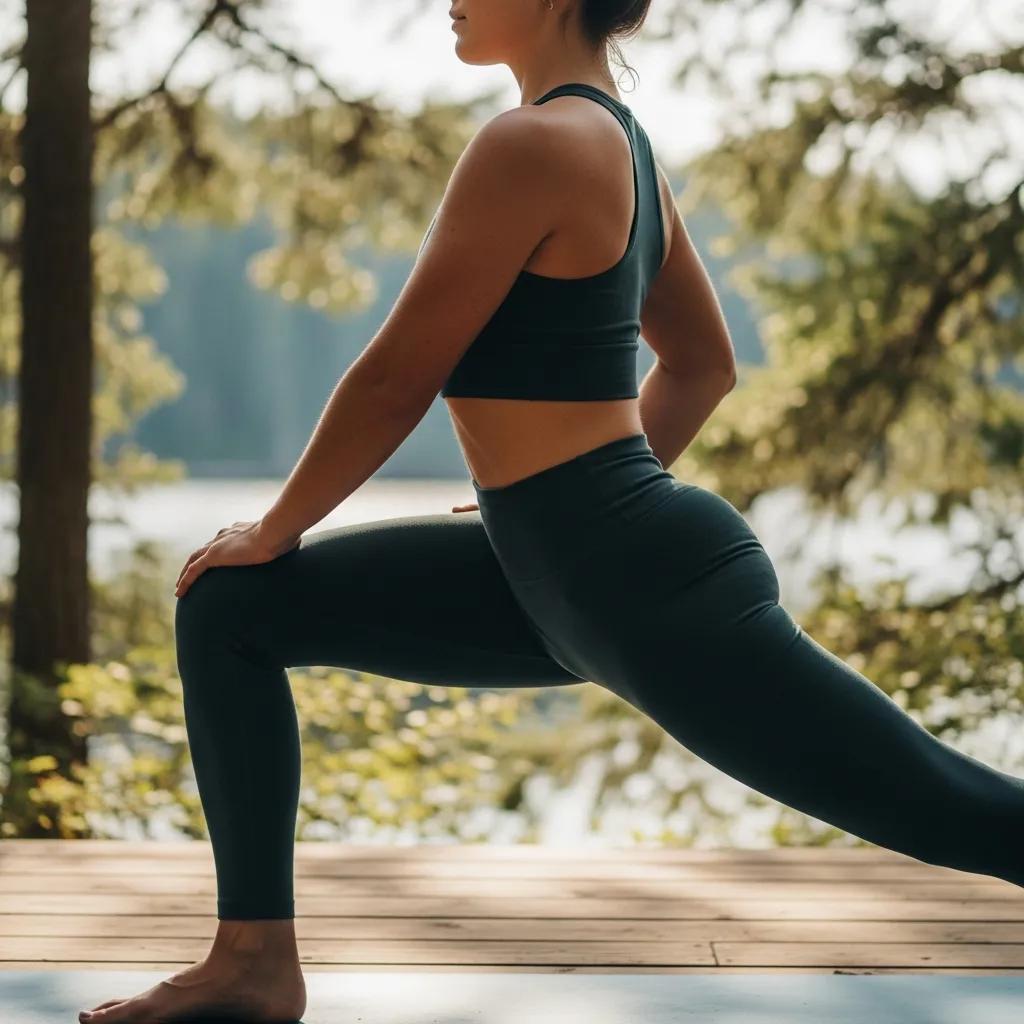
The critical role of functional and mobility training in enhancing performance and preventing injuries is further underscored by comprehensive research.
Functional & Mobility Training for Performance & Injury Prevention
This chapter examines the critical role of functional and mobility training in enhancing operational performance and resilience. The authors emphasize tailored fitness regimens integrating functional fitness to improve strength, agility, flexibility, and balance. Mobility training is explored as a dynamic approach to ensuring effective movement patterns and mitigating injury risks. The chapter provides a framework for incorporating flexibility, range of motion (ROM), and mobility into training programs alongside tools like functional movement screening (FMS) for assessment and injury prevention. It offers actionable insights to develop effective, sustainable mobility programs that enhance performance and physical health.
Functional and Mobility Training, 2025
| Exercise | Benefit | Application |
|---|---|---|
| Dynamic Hip Openers | Increases hip mobility | Pre-workout warm-up |
| Scapular Mobilizations | Enhances shoulder stability | Upper body workouts |
| Ankle Dorsiflexion Drills | Improves ankle flexibility | Lower body exercises |
These exercises can be easily integrated into your training routine to enhance mobility and flexibility, ultimately supporting functional movement patterns.
Recommended Mobility Exercises to Enhance Joint Function
- Hip Flexor Stretch: This stretch targets the hip flexors, improving flexibility and reducing tightness.
- Thoracic Spine Rotation: This exercise enhances spinal mobility, which is crucial for overall movement quality.
- Calf Stretch: Stretching the calves improves ankle mobility, which is essential for various functional movements.
Stability Drills to Support Functional Movement and Injury Prevention
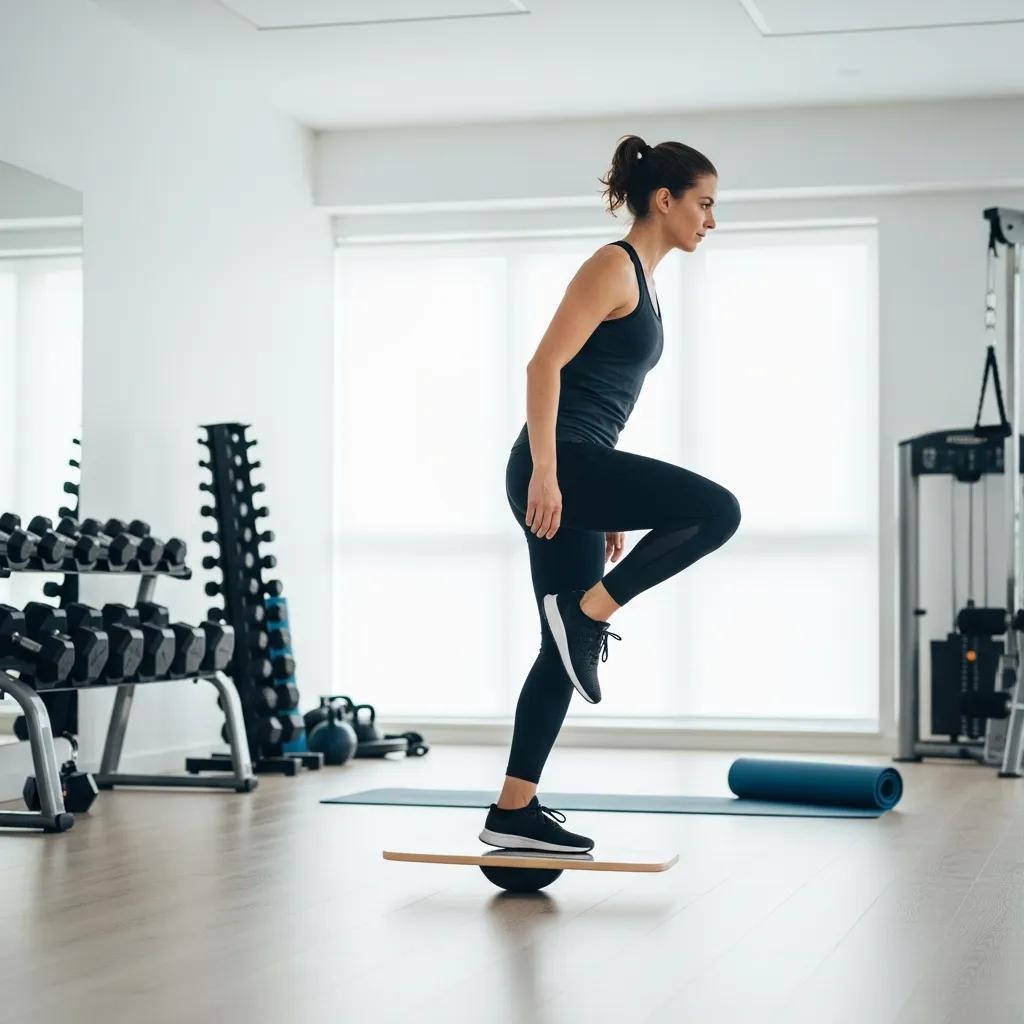
- Single-Leg Balance: This drill enhances balance and stability, crucial for everyday activities.
- Plank Variations: Planks strengthen the core, providing stability for various movements.
- Banded Lateral Walks: This exercise targets the hip stabilizers, improving overall lower body stability.
By incorporating these stability drills into your training, you can enhance your functional movement patterns and reduce the risk of injury.
Frequently Asked Questions
What are the benefits of functional movement patterns for athletes?
Functional movement patterns are crucial for athletes as they enhance performance by improving strength, agility, and coordination. By training these movements, athletes can better mimic the actions required in their sports, leading to improved efficiency and effectiveness. Additionally, focusing on functional movements helps prevent injuries by promoting proper biomechanics and joint stability, allowing athletes to perform at their best while minimizing the risk of setbacks due to injury.
How can I assess my functional movement patterns?
Assessing your functional movement patterns can be done through various screening tools, such as the Functional Movement Screen (FMS). This assessment evaluates your movement quality across several fundamental patterns, identifying areas of strength and weakness. By understanding your movement capabilities, you can tailor your training program to address specific deficiencies, enhance performance, and reduce the risk of injury. Consulting with a fitness professional can provide valuable insights and guidance during this assessment process.
Can functional movement patterns be beneficial for rehabilitation?
Yes, functional movement patterns play a significant role in rehabilitation. They help individuals regain strength, mobility, and coordination after an injury. By focusing on these movements, rehabilitation programs can promote proper movement mechanics, which is essential for recovery. Incorporating functional exercises into rehabilitation can also help prevent future injuries by addressing imbalances and weaknesses, ensuring a more comprehensive return to physical activity.
What types of exercises are best for improving functional movement patterns?
Exercises that mimic everyday activities are best for improving functional movement patterns. These include squats, lunges, push-ups, and deadlifts, which engage multiple muscle groups and promote coordination. Additionally, incorporating mobility and stability drills, such as dynamic hip openers and single-leg balances, can enhance joint function and overall movement quality. A well-rounded program that includes strength, flexibility, and stability exercises will yield the best results in improving functional movement patterns. chicago strength in motion
How often should I incorporate functional movement training into my routine?
Incorporating functional movement training into your routine should ideally occur at least two to three times a week. This frequency allows for consistent practice and improvement in movement quality, strength, and mobility. However, the specific frequency may vary based on individual fitness levels, goals, and recovery needs. It’s essential to listen to your body and adjust your training schedule accordingly to ensure optimal results and prevent overtraining.
Are there specific age groups that benefit more from functional movement training?
Functional movement training benefits individuals of all ages, but it is particularly advantageous for older adults and athletes. For older adults, these patterns help maintain mobility, balance, and independence, reducing the risk of falls and injuries. For athletes, functional training enhances performance and injury prevention. However, incorporating functional movements into training can also benefit younger individuals by promoting healthy movement habits and functional movement from an early age.
Elevating Your Fitness Through Functional Movement Patterns
Incorporating functional movement patterns into your training regimen significantly enhances strength, mobility, and overall physical performance. Understanding these movements not only aids in injury prevention but also improves daily task efficiency, making them essential for everyone. By prioritizing functional training, you can unlock your body’s full potential and achieve lasting health benefits. Discover our tailored functional training to elevate your fitness journey.