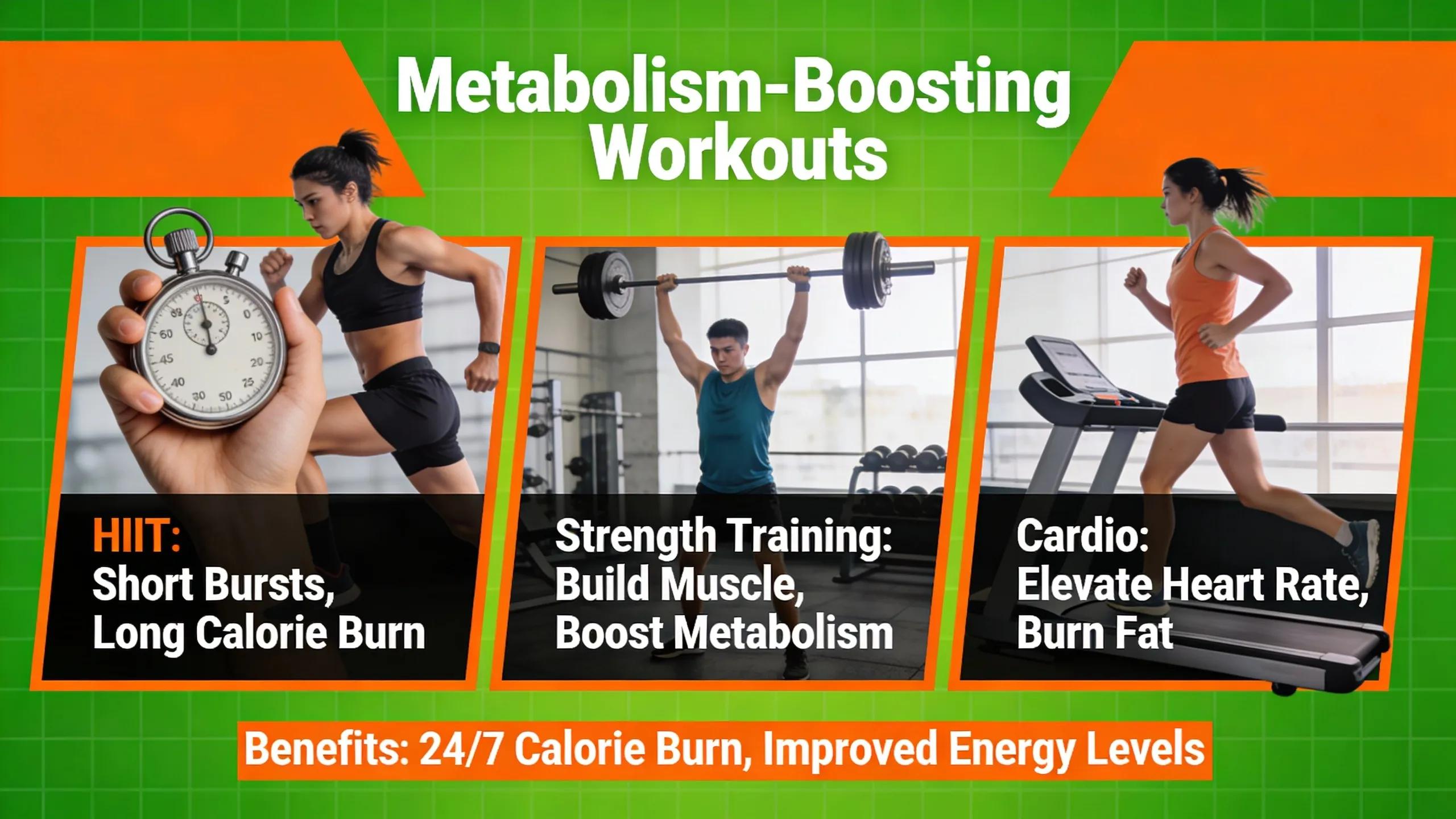
Metabolism is not just a buzzword; it’s a critical player in managing your weight and energy levels. Many individuals are unaware of how their metabolic rates affect their fitness journeys and overall health. This article delves into metabolism-boosting workouts, offering insights into how specific exercises can help increase your metabolic rate naturally.
Whether you’re looking to burn fat, build muscle, or simply enhance your exercise performance, understanding the nuances of your metabolism is essential. We explore different effective workouts, design workout programs tailored to metabolic enhancement, and highlight how personalized training can help you achieve your fitness goals. By the end, you’ll have a clearer picture of how to improve your metabolic health through targeted exercises.
What Is Metabolic Rate and Why Does It Matter for Fitness?
Metabolic rate refers to the amount of energy expended by the body at rest and during activity. This rate is fundamental to fitness as it determines how many calories the body needs to maintain its functions. A higher metabolic rate leads to more calories burned, which can significantly impact weight management and fitness goals. By understanding what influences your metabolic rate, you can tailor your fitness regimen and dietary choices to optimize your results.
How Does Metabolism Affect Calorie Burn and Weight Management?
The metabolism plays a crucial role in calorie burn, affecting weight management directly. When you engage in physical activity, the intensity and duration of the exercise influence how many calories are burned. Higher metabolic rates allow for greater calorie expenditure even when at rest, contributing substantially to weight loss efforts. Understanding this relationship empowers individuals to choose appropriate workouts that align with their weight management strategies.
What Factors Influence Resting and Basal Metabolic Rates?
Several factors influence both resting and basal metabolic rates, including age, gender, muscle mass, and hormonal levels. For instance, individuals with a higher muscle mass have higher metabolic rates because muscle tissue burns more calories than fat tissue. Additionally, hormonal changes, such as those occurring with age or specific health conditions, can alter metabolic efficiency. Recognizing these factors can help individuals set realistic fitness expectations and goals.
Which Exercises Are Most Effective to Boost Metabolism Naturally?
Certain exercises are more effective at boosting metabolism than others. It’s essential to focus on workouts that not only enhance calorie burn during the session but also promote enduring metabolic boosts after exercising.
How Do Strength Training Workouts Enhance Muscle Mass and Metabolic Rate?
Strength training workouts are vital in increasing muscle mass and, consequently, metabolic rate. By engaging in resistance training, you promote hypertrophy, which elevates the resting metabolic rate due to increased muscle tissue. This form of exercise burns calories not only during workouts but also in the hours and days following, illustrating the long-term benefits of including strength training in a fitness routine.
The following study further highlights the impact of strength training on resting metabolic rate.
Strength Training Increases Resting Metabolic Rate
When all subjects were pooled together, absolute RMR significantly increased by 7% (5928 ± 1225 vs 6328 ± 1336 kJ·d-1,P
What Are the Benefits of High Intensity Interval Training for Metabolic Acceleration?
High-Intensity Interval Training (HIIT) effectively accelerates metabolic rates by combining short bursts of intense activity with recovery periods. The afterburn effect – officially known as excess post-exercise oxygen consumption (EPOC) – allows the body to continue burning calories after the workout is completed. This efficient calorie-burning mechanism makes HIIT a popular training method for those looking to boost their metabolism quickly and effectively.
Designing Effective Programs for Sustainable Metabolic Gains
Designing a workout program that promotes metabolic increase requires careful consideration of various components, including intensity, duration, and variety of exercises.
What Components Should a Personalized Metabolic Conditioning Program Include?
A personalized metabolic conditioning program should focus on incorporating strength training, cardiovascular exercises, and flexibility routines. Tailoring workouts to individual fitness levels, preferences, and goals is critical for maintaining motivation and effectiveness. This balanced approach ensures both short-term gains and long-term sustainable results for metabolic health.
How Does Recovery and Nutrition Support Metabolic Health and Exercise Results?
Recovery and nutrition play pivotal roles in supporting metabolic health. Adequate nutrient intake helps replenish energy stores and repair muscle tissues following workouts. Furthermore, appropriate recovery time allows the body to maintain high metabolic function and supports overall exercise effectiveness. Integrating specific dietary strategies, such as consuming protein-rich foods post-exercise, can further enhance metabolic outcomes.
Why Choose Personalized Metabolism Boosting Training Programs in Chicago?
Personalized training programs address unique individual needs, providing tailor-fit solutions for optimal metabolic enhancement. Such programs are particularly beneficial in urban areas like Chicago, where access to trained coaches can guide individuals in their fitness journeys.
How Does Chicago Strength In Motion Customize Training to Optimize Your Metabolic Rate?
At Chicago Strength In Motion, the approach to training customization involves comprehensive assessments of individual fitness levels and goals. Trainers design targeted programs that evolve based on progress, ensuring clients receive the appropriate challenges that correspond to their metabolic needs. This personalized methodology fosters a supportive environment conducive to achieving metabolic health.
What Are Client Success Stories Demonstrating Sustainable Metabolic Improvements?
Numerous client success stories at Chicago Strength In Motion illustrate the effectiveness of personalized metabolic training. Many clients report significant improvements in their energy levels, body composition, and overall fitness after committing to tailored programs. These transformations not only highlight the program’s effectiveness but also serve as motivational benchmarks for new clients.
What Are Common Questions About Metabolism Boosting Workouts?
There are common questions that many individuals share regarding metabolism-boosting workouts, particularly regarding their duration and timing for optimal effects.
How Long Should Metabolism Boosting Workouts Last for Optimal Results?
For optimal results, metabolism-boosting workouts should generally last between 30 to 60 minutes per session. Research suggests that workouts within this timeframe are effective in promoting significant calorie burn and enhancing metabolic function without leading to burnout. Individuals can structure their routines to include variations in intensity and type of workout, keeping sessions dynamic and engaging.
What Is the Best Time of Day to Perform Metabolic Workouts?
The best time of day for metabolic workouts can vary per individual based on personal schedules and energy levels. Some people find morning workouts to be beneficial for jump-starting their metabolism for the day, while others might prefer evening sessions when they feel more energized. Ultimately, the best approach is to choose a time that aligns with personal preferences and lifestyle, ensuring consistency and commitment to the fitness plan.
Frequently Asked Questions
Can cardio workouts complement strength training for boosting metabolism?
Yes, cardio workouts can significantly complement strength training in boosting metabolism. While strength training increases muscle mass, which elevates the resting metabolic rate, cardiovascular exercises enhance heart health and burn calories during the workout. Incorporating a balanced mix of both modalities ensures comprehensive metabolic benefits. High-intensity interval training (HIIT) can be particularly effective, as it combines cardiovascular and strength elements, making your fitness routine varied and compelling while maximizing calorie burn.
Is it possible to boost metabolism without exercising?
While exercise is a primary method to boost metabolism, there are other ways to enhance it without traditional workouts. Dietary choices play a crucial role; for instance, eating small, frequent meals with a balance of protein, healthy fats, and complex carbohydrates can keep your metabolism active. Staying hydrated and getting enough sleep also contribute significantly. Moreover, activities such as walking or doing household chores can help maintain metabolic activity without formal exercise.
How does age affect metabolic rate as people grow older?
Age can dramatically affect metabolic rate, as muscle mass typically decreases while fat mass increases. This natural decline means that older adults may burn fewer calories at rest than younger individuals. Hormonal changes and lifestyle factors, such as decreased physical activity, further contribute to reduced metabolic rates. To counter these effects, older individuals can engage in strength training and maintain an active lifestyle to preserve muscle mass and metabolic health.
What role does hydration play in metabolic health?
Hydration is essential for optimal metabolic health, as even mild dehydration can slow down metabolic processes. Water aids in digestion, nutrient absorption, and the efficient use of stored energy. Studies suggest that drinking water can temporarily increase metabolic rate, often referred to as water-induced thermogenesis. Additionally, staying hydrated helps maintain energy levels and physical performance during workouts, ultimately supporting your metabolic goals.
Can sleep quality impact metabolic rate?
Yes, the quality of your sleep significantly impacts metabolic rate and overall metabolic health. Insufficient sleep can lead to hormonal imbalances—particularly in hormones related to hunger, such as ghrelin and leptin, which can increase appetite and lead to weight gain. Additionally, poor sleep is associated with decreased muscle recovery and metabolic performance. Prioritizing restful sleep can therefore enhance metabolism and support fitness and weight management goals.
Are there specific foods that can aid in boosting metabolism?
Yes, certain foods are known to naturally boost metabolism due to their nutritional profiles. For instance, protein-rich foods like lean meats, legumes, and dairy can increase the thermic effect of food—the energy expended during digestion. Spicy foods containing chili peppers can also elevate metabolic rates temporarily. Furthermore, green tea and coffee are popular for their caffeine content, which can enhance fat oxidation and increase calorie expenditure.
Conclusion
Integrating metabolism-boosting workouts into your routine offers a plethora of benefits, including enhanced calorie burn, improved energy levels, and optimized weight management. By understanding the principles underlying metabolic health, you empower yourself to make informed choices that lead to lasting fitness results. Take the next step in your health journey by exploring small group fitness class tailored to your unique needs. Experience the difference a customized approach can make; discover our offerings today.
What Are the Benefits of High Intensity Interval Training for Metabolic Acceleration?
High-Intensity Interval Training (HIIT) effectively accelerates metabolic rates by combining short bursts of intense activity with recovery periods. The afterburn effect – officially known as excess post-exercise oxygen consumption (EPOC) – allows the body to continue burning calories after the workout is completed. This efficient calorie-burning mechanism makes HIIT a popular training method for those looking to boost their metabolism quickly and effectively.
Designing Effective Programs for Sustainable Metabolic Gains
Designing a workout program that promotes metabolic increase requires careful consideration of various components, including intensity, duration, and variety of exercises.
What Components Should a Personalized Metabolic Conditioning Program Include?
A personalized metabolic conditioning program should focus on incorporating strength training, cardiovascular exercises, and flexibility routines. Tailoring workouts to individual fitness levels, preferences, and goals is critical for maintaining motivation and effectiveness. This balanced approach ensures both short-term gains and long-term sustainable results for metabolic health.
How Does Recovery and Nutrition Support Metabolic Health and Exercise Results?
Recovery and nutrition play pivotal roles in supporting metabolic health. Adequate nutrient intake helps replenish energy stores and repair muscle tissues following workouts. Furthermore, appropriate recovery time allows the body to maintain high metabolic function and supports overall exercise effectiveness. Integrating specific dietary strategies, such as consuming protein-rich foods post-exercise, can further enhance metabolic outcomes.
Why Choose Personalized Metabolism Boosting Training Programs in Chicago?
Personalized training programs address unique individual needs, providing tailor-fit solutions for optimal metabolic enhancement. Such programs are particularly beneficial in urban areas like Chicago, where access to trained coaches can guide individuals in their fitness journeys.
How Does Chicago Strength In Motion Customize Training to Optimize Your Metabolic Rate?
At Chicago Strength In Motion, the approach to training customization involves comprehensive assessments of individual fitness levels and goals. Trainers design targeted programs that evolve based on progress, ensuring clients receive the appropriate challenges that correspond to their metabolic needs. This personalized methodology fosters a supportive environment conducive to achieving metabolic health.
What Are Client Success Stories Demonstrating Sustainable Metabolic Improvements?
Numerous client success stories at Chicago Strength In Motion illustrate the effectiveness of personalized metabolic training. Many clients report significant improvements in their energy levels, body composition, and overall fitness after committing to tailored programs. These transformations not only highlight the program’s effectiveness but also serve as motivational benchmarks for new clients.
What Are Common Questions About Metabolism Boosting Workouts?
There are common questions that many individuals share regarding metabolism-boosting workouts, particularly regarding their duration and timing for optimal effects.
How Long Should Metabolism Boosting Workouts Last for Optimal Results?
For optimal results, metabolism-boosting workouts should generally last between 30 to 60 minutes per session. Research suggests that workouts within this timeframe are effective in promoting significant calorie burn and enhancing metabolic function without leading to burnout. Individuals can structure their routines to include variations in intensity and type of workout, keeping sessions dynamic and engaging.
What Is the Best Time of Day to Perform Metabolic Workouts?
The best time of day for metabolic workouts can vary per individual based on personal schedules and energy levels. Some people find morning workouts to be beneficial for jump-starting their metabolism for the day, while others might prefer evening sessions when they feel more energized. Ultimately, the best approach is to choose a time that aligns with personal preferences and lifestyle, ensuring consistency and commitment to the fitness plan.
Frequently Asked Questions
Can cardio workouts complement strength training for boosting metabolism?
Yes, cardio workouts can significantly complement strength training in boosting metabolism. While strength training increases muscle mass, which elevates the resting metabolic rate, cardiovascular exercises enhance heart health and burn calories during the workout. Incorporating a balanced mix of both modalities ensures comprehensive metabolic benefits. High-intensity interval training (HIIT) can be particularly effective, as it combines cardiovascular and strength elements, making your fitness routine varied and compelling while maximizing calorie burn.
Is it possible to boost metabolism without exercising?
While exercise is a primary method to boost metabolism, there are other ways to enhance it without traditional workouts. Dietary choices play a crucial role; for instance, eating small, frequent meals with a balance of protein, healthy fats, and complex carbohydrates can keep your metabolism active. Staying hydrated and getting enough sleep also contribute significantly. Moreover, activities such as walking or doing household chores can help maintain metabolic activity without formal exercise.
How does age affect metabolic rate as people grow older?
Age can dramatically affect metabolic rate, as muscle mass typically decreases while fat mass increases. This natural decline means that older adults may burn fewer calories at rest than younger individuals. Hormonal changes and lifestyle factors, such as decreased physical activity, further contribute to reduced metabolic rates. To counter these effects, older individuals can engage in strength training and maintain an active lifestyle to preserve muscle mass and metabolic health.
What role does hydration play in metabolic health?
Hydration is essential for optimal metabolic health, as even mild dehydration can slow down metabolic processes. Water aids in digestion, nutrient absorption, and the efficient use of stored energy. Studies suggest that drinking water can temporarily increase metabolic rate, often referred to as water-induced thermogenesis. Additionally, staying hydrated helps maintain energy levels and physical performance during workouts, ultimately supporting your metabolic goals.
Can sleep quality impact metabolic rate?
Yes, the quality of your sleep significantly impacts metabolic rate and overall metabolic health. Insufficient sleep can lead to hormonal imbalances—particularly in hormones related to hunger, such as ghrelin and leptin, which can increase appetite and lead to weight gain. Additionally, poor sleep is associated with decreased muscle recovery and metabolic performance. Prioritizing restful sleep can therefore enhance metabolism and support fitness and weight management goals.
Are there specific foods that can aid in boosting metabolism?
Yes, certain foods are known to naturally boost metabolism due to their nutritional profiles. For instance, protein-rich foods like lean meats, legumes, and dairy can increase the thermic effect of food—the energy expended during digestion. Spicy foods containing chili peppers can also elevate metabolic rates temporarily. Furthermore, green tea and coffee are popular for their caffeine content, which can enhance fat oxidation and increase calorie expenditure.
Conclusion
Integrating metabolism-boosting workouts into your routine offers a plethora of benefits, including enhanced calorie burn, improved energy levels, and optimized weight management. By understanding the principles underlying metabolic health, you empower yourself to make informed choices that lead to lasting fitness results. Take the next step in your health journey by exploring small group fitness class tailored to your unique needs. Experience the difference a customized approach can make; discover our offerings today.
Scroll to Top
Fill out the form below and one of our coaches will be in touch!