Resistance training, often referred to as strength training, is a form of exercise that involves the use of resistance to induce muscular contraction, which builds strength, anaerobic endurance, and muscle mass. This type of training is beneficial for individuals of all ages, from children to seniors, as it enhances physical fitness and overall health. Many people, however, may not fully understand the extensive benefits of resistance training or how to engage in it safely.
This article will explore the various advantages of resistance training, safe techniques to implement, and how it can improve health across different age groups. We will also discuss the key advantages of resistance training for various demographics, including children, adults, and seniors.
Benefits of Resistance Training
Resistance training offers numerous benefits that contribute to overall health and well-being. It is known to improve bone density, enhance metabolic rate, and promote better joint function. These benefits are crucial for maintaining a healthy lifestyle, especially as individuals age. blog
| Benefit | Description | Impact Level |
|---|---|---|
| Improved Bone Density | Resistance training stimulates bone remodeling, which increases bone strength and reduces the risk of fractures. | High |
| Enhanced Metabolic Rate | Engaging in resistance training boosts metabolism, aiding in weight management and fat loss. | High |
| Better Joint Function | Strengthening muscles around joints improves stability and reduces the risk of injuries. | Medium |
Incorporating resistance training into a regular fitness routine can lead to significant improvements in physical health and quality of life. For those looking to enhance their strength and fitness, understanding the benefits of resistance training is essential.
Safe Techniques for Resistance Training
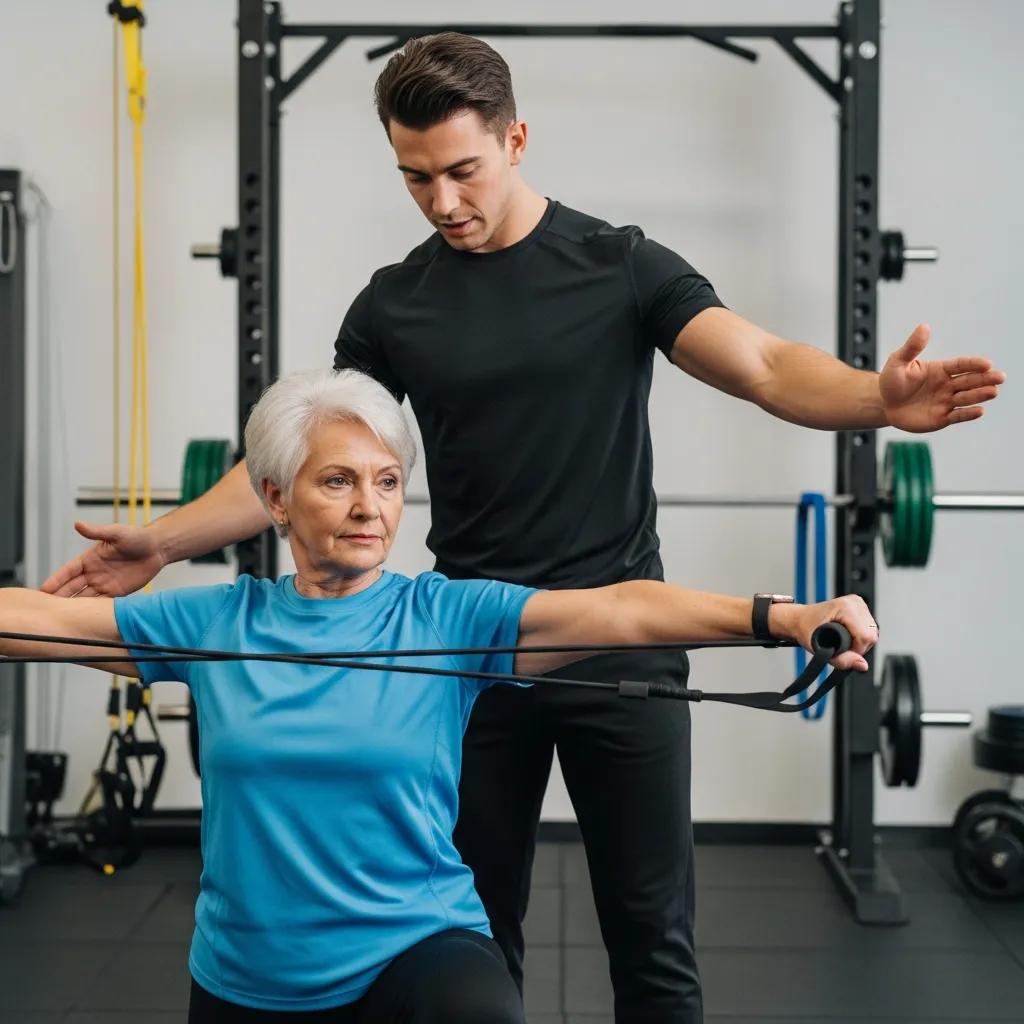
Engaging in resistance training safely is paramount to prevent injuries and ensure effective workouts. Key techniques include maintaining proper form, incorporating warm-up and cool-down routines, and applying the principle of progressive overload.
It is crucial to be aware that certain popular training methods might inadvertently increase the risk of injury, underscoring the need for careful technique selection.
Avoiding Injury in Resistance Training: Safe Techniques
It appears that many popular resistance training methods that make use of either explosive movements or unstable platforms with heavy external loading may present an increased risk of injury. In addition they may not offer any greater improvements to measures of health and fitness above safer alternatives that utilise more controlled repetition durations and avoid use of unstable platforms.
Primum non nocere: A commentary on avoidable injuries and safe resistance training techniques, J Fisher, 2014
- Proper Form: Always prioritize correct posture and technique to avoid strain and injury.
- Warm-Up and Cool Down: Begin with dynamic stretches to prepare the body and end with static stretches to aid recovery.
- Progressive Overload: Gradually increase the weight or resistance to continue making gains without overexerting.
By adhering to these techniques, individuals can maximize the benefits of resistance training while minimizing the risk of injury.
Health Advantages Across Age Groups
Resistance training is beneficial for all age groups, providing tailored advantages that cater to the specific needs of children, adults, and older adults. personal training
- Children and Adolescents: Engaging in resistance training supports healthy growth and development, enhancing muscle strength and coordination.
- Adults: For adults, resistance training helps maintain muscle mass, improve metabolic health, and reduce the risk of chronic diseases.
- Older Adults: Seniors benefit from resistance training through improved mobility, balance, and reduced fall risk, which is crucial for maintaining independence.
Understanding these age-specific benefits can encourage individuals to incorporate resistance training into their fitness routines.
Key Resistance Training Benefits Across All Ages

Resistance training provides unique advantages tailored to various age groups, enhancing physical health and functional capabilities.
How Does Resistance Training Improve Muscle Strength and Functional Fitness?
Resistance training improves muscle strength by stimulating muscle fibers through controlled resistance. This process enhances neuromuscular coordination, leading to better functional fitness. As individuals engage in regular resistance training, they experience increased muscle mass and strength, which translates to improved performance in daily activities.
What Are the Mental and Metabolic Benefits of Weight Training?
In addition to physical benefits, resistance training offers significant mental and metabolic advantages. Studies indicate that regular weight training can reduce symptoms of depression and anxiety while boosting overall mood. Furthermore, it increases metabolism, aiding in weight management and energy levels throughout the day.
Which Safe Muscle Building Techniques Are Recommended for Children, Adults, and Seniors?
Different age groups require specific techniques to ensure safe and effective muscle building.
Indeed, research emphasizes the importance of qualified supervision and a safe environment when children and adolescents engage in resistance training.
Safe Resistance Training for Children & Adolescents
Current research indicates that resistance training can be a safe, effective, and worthwhile activity for children and adolescents, provided that qualified professionals supervise all training sessions and that the exercise environment is safe and free of hazards.
Resistance training among young athletes: safety, efficacy and injury prevention effects, AD Faigenbaum, 2010
- Children: Bodyweight exercises, such as push-ups and squats, are ideal for developing strength without the risk of injury.
- Adults: Free weights and resistance bands can be incorporated for more advanced strength training.
- Seniors: Functional movements, such as seated leg lifts and resistance band exercises, help maintain strength and mobility.
How Can Injury Prevention and Safety Guidelines Be Effectively Implemented?
Implementing injury prevention strategies is crucial for safe resistance training. Key guidelines include:
- Movement Screening: Assessing individual movement patterns to identify potential risks.
- Certified Trainer Oversight: Working with a qualified trainer to ensure proper technique and program design.
- Progressive Programming: Gradually increasing intensity and complexity of exercises to match individual capabilities.
By following these guidelines, individuals can engage in resistance training safely and effectively. personal training.
How Should Resistance Training Programs Be Designed for Sustainable Strength Gains?
Designing effective resistance training programs involves incorporating a variety of exercises, utilizing progressive overload, and focusing on recovery. A well-rounded program should include compound movements that engage multiple muscle groups, ensuring balanced development and strength gains.
What Is the Recommended Frequency and Intensity of Resistance Exercises for All Ages?
The recommended frequency of resistance training varies by age group:
- Children: 2-3 times per week, focusing on bodyweight exercises.
- Adults: 2-3 times per week, incorporating a mix of free weights and machines.
- Seniors: 2-3 times per week, emphasizing low-impact exercises with adequate recovery.
Intensity should be tailored to individual fitness levels, ensuring that all participants can safely engage in resistance training.
How Can Functional Strength Exercises Enhance Daily Life Activities?
Functional strength exercises mimic real-world movements, improving strength and mobility for daily activities. These exercises enhance coordination and balance, making everyday tasks easier and safer. Incorporating functional movements into resistance training can significantly improve quality of life.
What Evidence Supports Resistance Training Benefits for Seniors and How Does It Reduce Fall Risk?
Research supports the benefits of resistance training for seniors, particularly in reducing fall risk. Studies show that regular strength training improves muscle strength and balance, which are critical for preventing falls and maintaining independence in older adults.
Indeed, extensive research confirms that progressive resistance training is highly effective in enhancing muscle strength and preventing disability among older adults. personal training
Progressive Resistance Training for Older Adults
A large number of studies have shown that progressive resistance strength training improves muscle strength in older adults, including the oldest old [15,48,32]. Progressive resistance strength training increases load gradually over the training course to strengthen major muscle groups used for weight bearing or lifting. The training has been recommended to prevent or reduce late-life disability for older adults
Systematic review of functional training on muscle strength, physical functioning, and activities of daily living in older adults, C Liu, 2014
How Does Resistance Training Improve Bone Density and Muscle Mass in Older Adults?
Resistance training stimulates bone remodeling, which is essential for maintaining bone density and reducing the risk of osteoporosis in older adults. Additionally, it helps increase muscle mass, which naturally declines with age, thereby enhancing overall physical function.
What Safety Measures Ensure Resistance Training Is Safe for Seniors?
To ensure safety during resistance training for seniors, several measures should be implemented: personal training.
- Movement Screening: Identifying any limitations or risks before starting a program.
- Certified Trainer Oversight: Ensuring exercises are performed correctly to prevent injury.
- Adaptive Training Options: Modifying exercises to accommodate individual needs and abilities.
By following these safety measures, seniors can safely engage in resistance training and reap its numerous benefits.
Frequently Asked Questions
What types of resistance training are suitable for beginners?
For beginners, it’s essential to start with basic exercises that focus on form and technique. Bodyweight exercises, such as squats, push-ups, and lunges, are excellent starting points. Resistance bands can also be introduced for added challenge without the risk of injury associated with heavier weights. It’s advisable to work with a certified trainer to ensure proper technique and to develop a personalized program that gradually increases in intensity as strength improves.
How can resistance training benefit mental health?
Resistance training has been shown to have positive effects on mental health by reducing symptoms of anxiety and depression. Engaging in regular strength training can boost endorphin levels, leading to improved mood and overall well-being. Additionally, the sense of accomplishment from achieving fitness goals can enhance self-esteem and confidence. Incorporating resistance training into a routine can serve as a powerful tool for mental health management.
What should I consider when designing a resistance training program?
When designing a resistance training program, consider your fitness goals, current fitness level, and any physical limitations. A balanced program should include a variety of exercises targeting all major muscle groups, with a focus on both strength and endurance. Incorporate progressive overload by gradually increasing weights or resistance. Additionally, ensure adequate recovery time between sessions to prevent overtraining and injuries, and consider consulting a fitness professional for guidance.
How does nutrition play a role in resistance training success?
Nutrition is a critical component of resistance training success. Consuming a balanced diet rich in protein, healthy fats, and carbohydrates supports muscle repair and growth. Protein is particularly important, as it provides the building blocks for muscle recovery after workouts. Staying hydrated is also essential for optimal performance and recovery. Consider consulting a nutritionist to create a meal plan that complements your resistance training regimen and overall fitness goals.
Can resistance training help with weight loss?
Yes, resistance training can significantly aid in weight loss. By increasing muscle mass, resistance training boosts your resting metabolic rate, meaning you burn more calories even at rest. Additionally, it helps improve body composition by reducing fat while preserving lean muscle. When combined with a balanced diet and cardiovascular exercise, resistance training can be an effective strategy for achieving and maintaining weight loss goals.
What are the signs of overtraining in resistance training?
Signs of overtraining can include persistent fatigue, decreased performance, increased irritability, and a higher incidence of injuries. You may also experience disrupted sleep patterns and a lack of motivation to work out. If you notice these symptoms, it’s crucial to take a step back, allow for adequate recovery, and possibly adjust your training intensity or frequency. Listening to your body and incorporating rest days is essential for long-term success in resistance training.
How can I stay motivated to continue resistance training?
Staying motivated in resistance training can be achieved through setting clear, achievable goals and tracking your progress. Joining a fitness community or working out with a partner can provide accountability and encouragement. Varying your routine by trying new exercises or classes can also keep things fresh and exciting. Lastly, celebrating small victories and recognizing improvements in strength and endurance can help maintain motivation over time. small group training
Conclusion
Incorporating resistance training into your fitness routine offers a multitude of benefits, including improved bone density, enhanced metabolic rate, and better joint function. Understanding these advantages reinforces the importance of safe and effective training techniques for individuals of all ages. To start your journey towards a stronger, healthier you, consider exploring tailored resistance training programs that fit your needs. Discover our resources and expert guidance to help you achieve your fitness goals today.